Gibson Nyikadzino
Zimpapers Politics Hub
ZIMBABWE is negotiating with the European Union over mineral resource provisions in an expanded trade agreement as Harare seeks to align international commitments with ongoing reforms to its domestic mining laws.
The talks are among the key outstanding issues between the two parties, alongside the EU arms embargo on Zimbabwe, and are being addressed through continued diplomatic engagement.
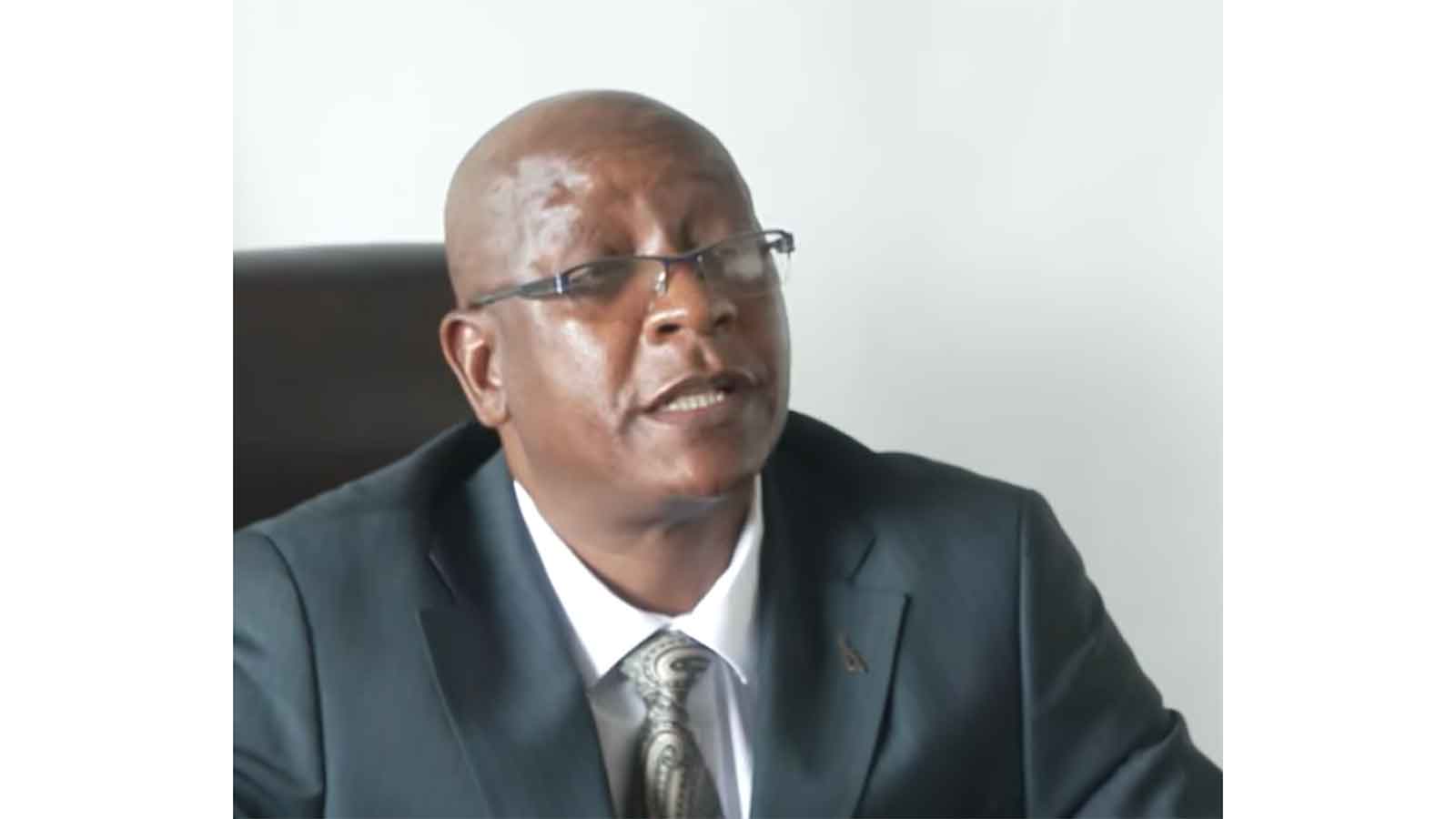
In an interview with The Herald on the sidelines of the sixth Zimbabwe-EU Partnership Dialogue last week, Foreign Affairs and International Trade Permanent Secretary Ambassador Albert Chimbindi said Zimbabwe could not commit to certain mineral clauses under the Interim Economic Partnership Agreement (IEPA) until amendments to the Mines and Minerals Act were finalised.
Ambassador Chimbindi co-chaired the dialogue with European External Action Service (EEAS) Head of Division for Southern Africa and the Indian Ocean, Ms Carolina Cordeiro.
“All our discussions are without animosity. They are positive, and we are going to engage continuously,” Ambassador Chimbindi said.
“However, there are two sticking points that we need to address: the arms embargo and the issue of minerals.”
He explained that while other regional signatories to the pact had finalised those provisions, Zimbabwe was exercising caution pending the completion of its domestic legislative reforms.
“We have an IEPA to deepen cooperation that comprises five parties, namely Zimbabwe, the EU, Seychelles, the Comoros and Madagascar,” he said.
“In this agreement, the EU has agreed with the other parties on the mineral aspects, which we cannot commit to at the moment because amendments to the Mines and Minerals Act are still underway.”
The Government is overhauling the sector through the Mines and Minerals Bill, 2025, which passed its Second Reading in the National Assembly last Wednesday. The legislation seeks to modernise mining sector regulation and strengthen the administration of prospecting, mining rights and mineral titles.
These reforms coincide with rising global demand for critical minerals used in electric vehicle batteries and renewable energy technologies. With Africa’s largest lithium reserves and substantial platinum-group metal deposits, Zimbabwe occupies an important position in global supply chains as the EU seeks to diversify raw material sources for its green and digital transitions.
Ambassador Chimbindi said Harare would continue engaging Brussels while the Bill progresses through Parliament, noting shared interests ahead of Zimbabwe’s assumption of a non-permanent seat on the United Nations Security Council (UNSC) next year.
“Our partners were positive in these discussions because we have mutual interests. Also, as we prepare to assume the non-permanent seat on the United Nations Security Council next year, we will continue to exchange views with them. They voted for us, and we thank them,” he said.
Under the Second Republic’s engagement and re-engagement policy, relations with the EU, which grants Zimbabwean exporters preferential market access under the IEPA, have steadily improved.
During the dialogue, Ms Cordeiro reaffirmed the bloc’s commitment to deepening cooperation with Zimbabwe in trade, investment, climate change, food security and international affairs.