admin
admin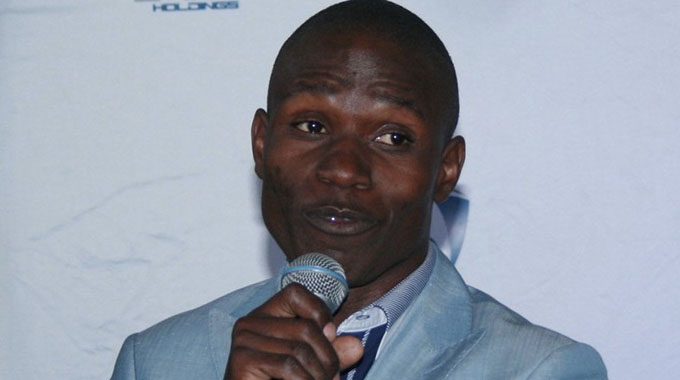
Sifelani Tsiko Agric, Environment & Innovations Editor
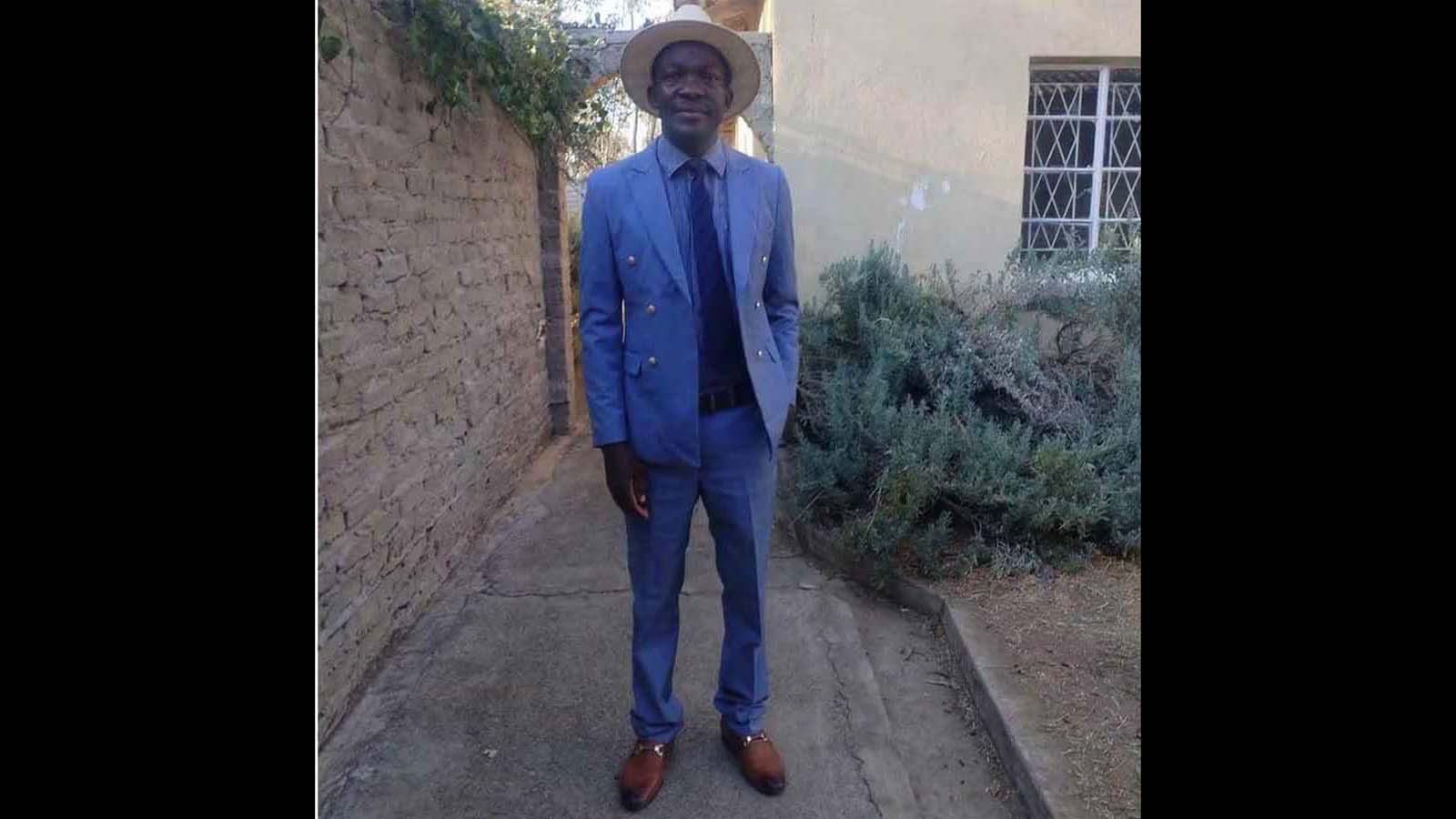
Maxwell Chikumbutso, a United States-based Zimbabwean widely-acclaimed for his innovations that include the world’s first evergreen power generator which can produce electricity using radio frequencies, has developed a prototype automated disinfecting machine to help fight the coronavirus pandemic.
In a Facebook post recently, the gifted innovator and Form 2 dropout from Kuwadzana who also designed and built an electric-powered vehicle and hybrid helicopter which uses six different types of fuel, said he was motivated to develop the machine after watching how countries were struggling disinfect public places.
“After watching how the Chinese and other governments around the world responded by disinfecting residential buildings, cars, public places and buses as well as streets, it took me three days to come up with a working prototype “Automated Disinfecting Machine” which I have successful tested using different chemicals advised by the WHO (World Health Organisation).”
Zimbabwe and most other African countries still lack advanced disinfection equipment for sanitisation works to be carried out smoothly and on a bigger scale to help prevent the spread of the Covid-19 pandemic.
Most governments on the continent are desperate for equipment to carry out mass scale disinfection — a matter which was now urgent given the escalating coronavirus infections.
“Then a on Wednesday a video from Nigeria was sent to me. It’s sad. African governments need support in whatever way possible. HIT (Harare Institute of Technology) did a ventilator through its Vice Chancellor Engineer Qunton Kanhukamwe, who is also my technical advisor, and board member. This can be done in our country and we can help fight this virus if we remain positive,” Chikumbutso said in his post.
In February this year, while on a private visit, Chikumbutso met President Mnangagwa with sources saingy the meeting centred on a number of issues including how Chikumbutso could help the country in terms of power generation and the sharing of his innovative skills.
Before being snatched by the US, Chikumbutso designed four major world-changing innovations — a green power generating machine, a helicopter, an electric car and drone using rudimentary materials sourced from the capital’s popular Siyaso market in a “Eureka” moment that could have revolutionised the country’s energy and transportation system.
Deeply religious, Chikumbutso, founder and head of Saith Holdings, now lives in the state of California,where he is pursuing his scientific and engineering interests.
He has over the years attracted international attention for his innovations.
In 2015, when he unveiled his innovations at Bluff Hill Industrial Park, he got a standing ovation from an audience which could not believe a Zimbabwean could make the crucial inventions using basic but highly engineered materials to design a helicopter, drone, electric car and a green power generating machine.
His Facebook post elicited a lot of comments.
“The world will be different after Covid-19 and if African governments do not support their own innovators, then Africa will continue to be a begging bowl when the rest of the world is moving ahead,” said one commentator.
Added Steady Mabasa Chauke: “Our country needs people like you Sangulani (Chikumbutso’s middle name). Africa needs people like you for our own industrial revolution.”
Benson Mwansa said it was now time for Africans to solve their own problems.
“We need to embrace African solutions to our problems,” he said.
Paxter Katsuwa hailed the innovator saying: “You are an inspiration to many, my brother. You carry a solution to our country. I wish you a great breakthrough in Zimbabwe and Africa.”
Local universities have come on board in the fight against Covid-19, with many supporting efforts to conduct tests for the virus, manufacture masks, sanitisers and ventilators.
Covid-19 has spread around the world, sending billions of people into lockdown as health services struggle to cope.
The virus has affected more than 2 million people with more than 200 000 deaths and recoveries exceeding 800 000.


 Online Reporter