Gibson Nyikadzino-Zimpapers Politics Hub
ZIMBABWE and Iran will enhance cooperation in key strategic sectors including healthcare, energy, agriculture, mining, education and tourism, building on strong political relations to deepen economic, trade and investment ties between the two countries.
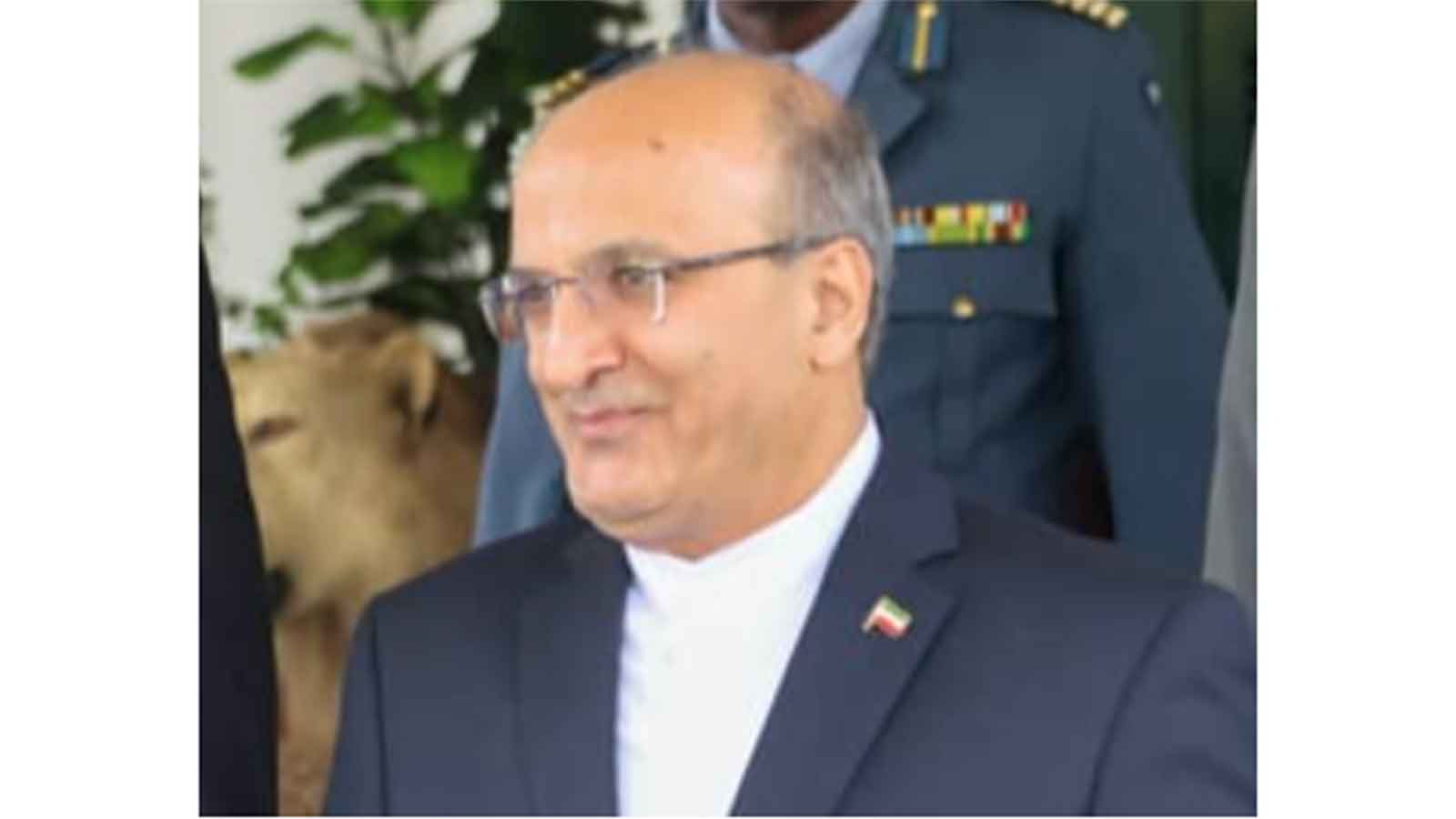
Iran’s Ambassador to Zimbabwe, Mr Amir Hosseini, said yesterday that the two countries’ close political relations provide a solid foundation for expanded economic engagement, despite the impact of illegal Western sanctions.
In an interview with Zimpapers Politics Hub, Ambassador Hosseini said Zimbabwe and Iran had reached a shared understanding that their bilateral political relations were at their highest level, making it imperative to translate that goodwill into tangible economic outcomes.
“The two countries have reached a shared understanding that their political relations are at the highest possible level. Building on this strong foundation, it is essential to take decisive steps to enhance economic, trade and investment ties,” he said.
Ambassador Hosseini noted that Iran and Zimbabwe could operate as complementary economies, given their respective capacities, capabilities and development needs.
“On this basis, in the coming years particular emphasis should be placed on sectors such as healthcare and medical services, oil and petroleum products, petrochemicals, chemical fertilisers, agricultural machinery and equipment, mining, higher education, technical and vocational training and tourism,” Ambassador Hosseini said.
Zimbabwe and Iran signed 12 bilateral agreements in 2023, aimed at strengthening cooperation across several sectors.
However, Ambassador Hosseini said the wide scope of potential collaboration required practical and deliberate implementation measures to ensure real benefits for both countries.
He described Zimbabwe and Iran as “pioneering and revolutionary nations”, united by a shared commitment to reforming the global governance system to ensure fairness and equality among states.
Both countries are under United States sanctions, which were intended to effect regime change.
Despite this, Ambassador Hosseini noted, Zimbabwe and Iran have remained vocal advocates for a reformed international order that guarantees equal rights for all nations, regardless of size, economic strength or military power.
“The two countries have played an active and high-level role within frameworks of cooperation among developing nations, including the Non-Aligned Movement, South-South cooperation mechanisms, BRICS and the Group of Friends of the Charter,” he said.
“In these platforms, Iran and Zimbabwe have stood side by side in opposing various forms of colonialism and domination at the international level.”
At the multilateral level, particularly within the United Nations, Ambassador Hosseini said the two countries have consistently aligned their positions in resisting Western dominance and interventionism.
He also reaffirmed Iran’s support for Zimbabwe’s bid for a non-permanent seat on the United Nations Security Council, noting that both countries have previously pledged mutual backing for each other’s candidacies.