Chronicle Editor
Grace Chingoma Senior Sports Reporter
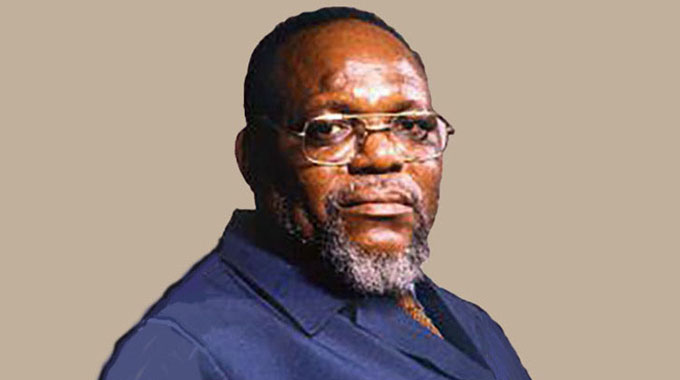
THE chairman of Zimbabwe Sports Medicine Committee, Edward Chagonda, says domestic football isn’t a haven for doping but wants to see more attention given to helping the players understand the dangers of crossing the line.Chagonda is going to be a key player in the determination of midfielder Devon Chafa’s case with initial indications showing that the DeMbare star could escape with a warning.
The veteran doctor, who has been involved with national teams and the country’s top clubs, is considered a leading expert in sports medicine in the country and has a direct contact with the Fifa Medical chiefs.
Chagonda said until now, all the local players who had been picked for random tests in the Champions League, World Cup and Chan qualifiers tested negative for prohibited substances.
“It is about diligence. We had a course in January, with team medics from all the teams, helping them understand this whole process and what needs to be done to protect our footballers.
“We had about nine doctors from the teams and other medical personnel from other clubs.
“The doctors were supposed to go and educate and enlighten their players that whatever medicine they take, they should declare that to their team doctor.
“And if the doctor notices anything they will notify us and it is something that can be largely prevented.
“The other issue is that teams should have contracts with doctors and physiotherapists and not try cut corners as in the end it will result in something like this.
“Only a few clubs have contracts with doctors and physiotherapists,” said Chagonda.
He said it was too early to suggest what could happen to Chafa and the best way would be to wait for all the processes to be completed.
A player taking medicine likely to contain prohibited substances, said Chagonda, needed to apply for Therapeutic Use Exception, something that wasn’t done in Chafa’s case.
Crucially, though, for Zimbabwe, the country did not have a history of doping cases which would suggest this was an accidental case rather than a programmed one.
“All these years the players who have been tested in competitions such as CHAN, World Cup and African Cup of Nations qualifiers have been all negative.
“It is the first positive result and it is not that bad but is bad enough as it puts us on the spotlight.
“Most of the players now know which doctors to go to for treatment. But not all the players are tested as these are just random tests,” said Chagonda.
Another sports medicine specialist said it was key to educate players on issues to do with doping.
“I am not familiar with the Chafa case but what I say to athletes that I deal with, I tell them that they must consult me first before taking any medication.
“Most of the players used to take mbanje unaware that it would be detected in urine samples but are now aware of that.
“Some of the drugs are day-to-day drugs. But we have a responsibility to give knowledge to players. It is not as easy as it sounds.
“Even some of the energy drinks, I always tell them that they must see what is in there first because if it is going to make you perform better then there is something wrong with it.
“There is a lot which should be done as a lot is from ignorance but ignorance is not an excuse. There should be a programme for the entire sporting fraternity,” he said.



 Online Reporter