Online Reporter
Wallace Ruzvidzo-Herald Reporter
ZIMBABWE yesterday officially launched its candidature campaign for non-permanent representation in the United Nations Security Council for the period 2027-2028, on the sidelines of the UN General Assembly’s 80th Session underway in New York.
The launch was presided over by Foreign Affairs and International Trade Minister Professor Amon Murwira on behalf of President Mnangagwa.
In remarks delivered on his behalf by the Foreign Affairs Minister, the President said Harare’s candidature was premised on its commitment to contribute meaningfully towards making the world a better place for all.
Zimbabwe previously served on the UNSC twice, in 1983-1984 and 1991-1992, during which the country demonstrated its commitment and capacity to foster international peace and security through principled engagement and bridge-building diplomacy.
“Today, Zimbabwe once again stands ready to contribute to this key organ of our United Nations as we seek election for the 2027–2028 term.
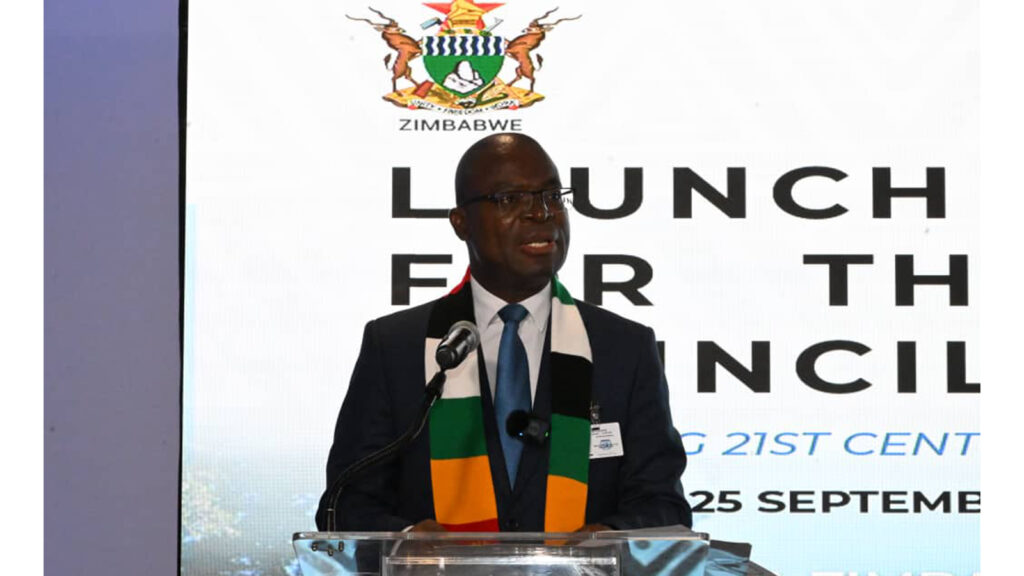
The launch was presided over by Foreign Affairs and International Trade Minister Professor Amon Murwira on behalf of President Mnangagwa.
“Zimbabwe’s faith in the power of multilateralism — to resolve conflicts, advance justice and shape a more equitable world for all, leaving no one and no place behind — remains unshaken.
“Our national journey has taught us that multilateralism is the only credible path through which nations can meaningfully address the pressing challenges of our time.
“It is upon this conviction that Zimbabwe is bidding for a seat on the United Nations Security Council,” said the President.
Zimbabwe’s campaign will run under the theme “Advancing 21st Century Solutions for Global Peace and Security, through Multilateralism”, with elections for the seat set for next year in June.
President Mnangagwa said once elected, Zimbabwe will focus on promoting global peace and security, silencing the guns and combating terrorism, strengthening partnerships with regional organisations and championing the Women, Peace and Security Agenda.
“1. Promoting global peace and security.
We will champion the peaceful settlement of disputes and address root causes of conflict such as poverty, exclusion, and inequality. For Zimbabwe, peace and sustainable development are inseparable. Without peace, there can be no development; without development, peace cannot endure.
“2. Silencing the guns and combating terrorism.
We will work with the Council to address armed conflict, terrorism and violent extremism, which fuel transnational crime. We call for global solidarity to dismantle terrorist networks, cut off financing, curb illicit arms flows and strengthen intelligence sharing. Zimbabwe also urges greater support for Africa-led peace operations, which are vital to confronting terrorism on the continent.
“3. Strengthening partnerships with regional organisations.
Zimbabwe will champion predictable financing and closer alignment between Security Council mandates and regional peace efforts. Our experience has shown that peace is most sustainable when global and regional actors work hand in hand.
“4. Championing the Women, Peace and Security Agenda.
Women and girls often bear the heaviest burdens of conflict, yet their participation makes peace agreements more just and durable. Zimbabwe is committed to placing both women and youth at the heart of peace efforts. Women provide stability; youth provide energy. Together, they ensure peace that is inclusive, representative and enduring,” he said.
The President then rallied for support from UN Member States, while also expressing gratitude to those that have already thrown their weight behind Harare’s bid.
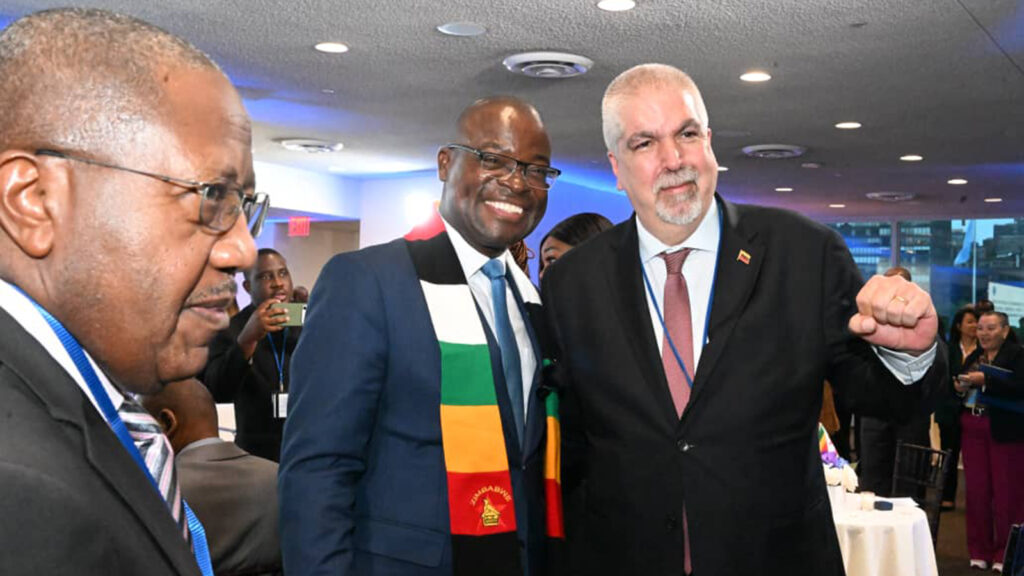
Japan, China, Russia, India, Cuba, Venezuela, Palestine and some international organisations including SADC and the African Union, have since pledged their support.
Japan, China, Russia, India, Cuba, Venezuela, Palestine and some international organisations including SADC and the African Union, have since pledged their support.
“We now look to the wider United Nations family to place its trust in us, so that together we may strengthen the cause of global peace and security.
“Drawing on our national experience and the enduring values of Ubuntu, Zimbabwe offers its service with humility, determination and hope.
“Together, let us build a more peaceful, secure and just world,” he said.
“Our candidature therefore builds on this record of leadership, reaffirming our readiness to contribute meaningfully to the maintenance of international peace and security. Excellencies, this is about strengthening the Security Council — ensuring it remains credible, equitable and representative in its custodianship of international peace and security,” he said.
Within SADC, Zimbabwe has consistently prioritised diplomacy and mediation and as Chair of the regional bloc from August 2024 to August 2025, the country demonstrated principled leadership in advancing peace and security on the continent and globally.
As such, President Mnangagwa said this underscored Zimbabwe’s conviction that durable solutions to international conflicts must be synchronised with regional efforts.
“Our candidature therefore builds on this record of leadership, reaffirming our readiness to contribute meaningfully to the maintenance of international peace and security.
“Excellencies, this is about strengthening the Security Council — ensuring it remains credible, equitable and representative in its custodianship of international peace and security,” he said.
President Mnangagwa said Zimbabwe will also ensure that the council remains attentive not only to high-profile crises but also those often overlooked yet weigh heavily on millions of lives.
“It is in giving voice to the voiceless and attention to the forgotten that true multilateralism is tested.
“Excellencies, guided by our national doctrine — emphasising integrity, dignity, prosperity of humanity, sovereign equality of nations and being ‘a friend to all and an enemy to none’ — Zimbabwe pledges to be a constructive partner for world peace and security.
“We will strive to build bridges, not walls; consensus, not division,” he said.
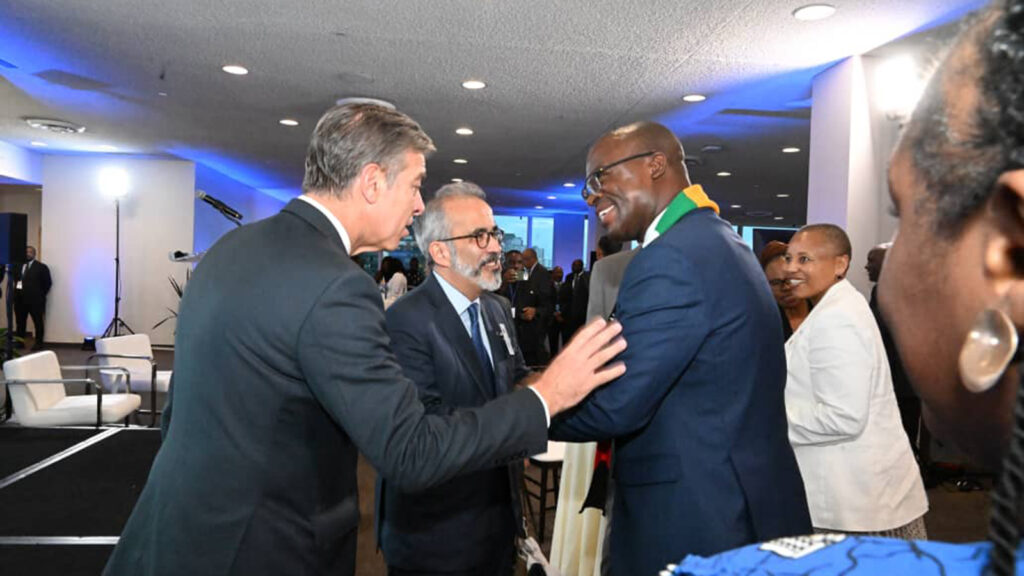
Representatives of various countries and international partners were among those in attendance at the launch.