malvernmugadzikwa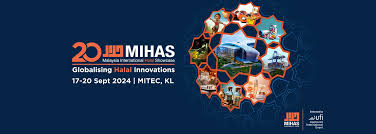
Kudzanai Sharara recently in MALAYSIA
ZIMBABWE is turning to Malaysia for guidance in establishing a robust halal certification system, according to Zimbabwe Halal Council (ZHC) president Mr Ali Mutundu.
He highlighted the country’s admiration for Malaysia’s comprehensive and rigorous halal framework, which serves as a global model. He also emphasised the importance of Malaysia’s halal certification system in enhancing the competitiveness of Zimbabwe’s halal industry and facilitating trade with Muslim countries.
He made the remarks during an interview, on the sidelines of the Malaysia International Halal Showcase (MIHAS), which took place in the Southeast Asian nation last week.
By attending MIHAS and participating in the Third International Halal Technical Capacity Development Programme 2024, Mr Mutundu said, ZHC sought to deepen its understanding of Malaysia’s approach to halal certification.
“We are particularly interested in learning about the role of JAKIM (Department of Islamic Development Malaysia) in overseeing halal certification, Malaysia’s halal certification process for various products, international standards and the integration of technology in halal verification,” Mr Mutundu stated.
Zimbabwe faces challenges in establishing a robust halal certification system. These include limited expertise and infrastructure. However, Mr Mutundu believes, adopting elements of Malaysia’s system can help Zimbabwe overcome these hurdles and create new economic opportunities.
“Lessons from Malaysia’s experience can help Zimbabwe develop a tailored halal certification framework, which can assist companies intending to export to this destination,” he added.
ZHC is also keen to explore collaborations with Malaysian halal organisations and businesses, focusing on capacity-building programmes, joint research initiatives, trade and investment opportunities, and knowledge sharing.
Responding to questions from this publication, ZimTrade chief executive officer Mr Allan Majuru echoed the importance of participating in MIHAS, emphasising its strategic value as a gateway to the Southeast Asian region.
Mr Majuru highlighted the growing demand for halal products and the opportunity that exists for Zimbabwean businesses to gain market intelligence, benchmark their certifications and improve their credibility on the global stage.
The global halal market is worth over US$2 trillion and is estimated to grow to US$2,8 trillion in the coming years. Although food and beverages are commonly associated with prominent segments of halal standards, the concept extends to a broader range of practices and products, including fashion, finance, pharmaceuticals and personal care products.
Halal-certified cosmetics, for example, must be free from prohibited ingredients. Additionally, they should be produced in accordance with Shariah law.
At the 2024 MIHAS, firms from Zimbabwe’s leather, cosmetics and food sectors showcased their products and had meetings with potential buyers.
As Zimbabwe strives to develop its halal industry and expand its export market, the country’s collaboration with Malaysia offers a promising path forward.
By learning from the expertise and experience of Malaysia, Zimbabwe can establish a certification system that meets international standards and opens doors to new opportunities.
The halal market is experiencing rapid growth globally, driven by a diverse demographic that extends beyond traditional Muslim consumers.
Halal products are increasingly recognised as a benchmark for quality, health, hygiene, safety and ethical standards. This growing demand presents significant opportunities for Zimbabwean businesses to tap into the lucrative market.
By establishing a strong certification system, Zimbabwe can position itself as a reliable supplier of halal products to both domestic and international markets.
This can contribute to economic growth, job creation and diversification of Zimbabwe’s export base.
While Zimbabwe is eager to embrace this unique market, it faces several challenges. Limited expertise, infrastructure and financing are among the key obstacles that need to be addressed.
However, the potential rewards of a thriving halal industry outweigh these challenges.
By leveraging Malaysia’s experience and expertise, Zimbabwe can develop the necessary capacity and infrastructure.
This includes training halal auditors and inspectors, establishing halal laboratories, and implementing rigorous quality control measures.



 Online Reporter