Tinaye Agere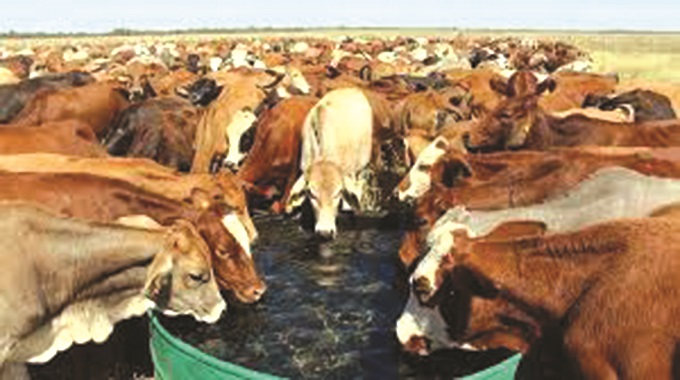
Theseus Shambare
ZIMBABWE lost over 13 000 cattle in 2024 due to drought-induced malnutrition and water shortages, with Matabeleland South province being the most affected, according to data from the Ministry of Lands, Agriculture, Fisheries, Water and Rural Development.
Agricultural and Rural Development Advisory Services acting chief director Mr Leonard Munamati told The Sunday Mail that in one incident, 283 cattle deaths were reported in just one week, highlighting the challenges faced by livestock farmers.
“Recent rains have provided some relief for the remaining livestock, but the situation remains critical,” he said.
Matabeleland South province witnessed the highest number of losses, recording 6 988 cattle deaths in 2024.
Other heavily affected regions included Matabeleland North, which recorded 3 398 deaths, Masvingo (1 929) and Midlands (766).
The drought significantly reduced grazing lands and depleted water sources, leading to widespread malnutrition and increased vulnerability to environmental hazards.
While the first rains of the 2024/2025 season have improved water availability, they have also introduced new challenges, with some cattle being trapped in muddy dams, further endangering livestock.
To mitigate further losses, the authorities are establishing more than 1 000 ward-based livestock and drought mitigation centres in ecological regions Four and Five.
These centres are aimed at helping communities build resilience in the face of drought.
Each centre will be equipped with solar-powered boreholes, along with livestock drinking and feeding troughs.
In addition, the centres will include livestock sales facilities to support farmers in managing their herds during challenging conditions.
Separately, the Department of Veterinary Services director, Dr Jairus Machakwa, warned of heightened risk of tick-borne diseases, lice infestations and internal parasites due to changing environmental conditions.
He urged farmers to adhere to recommended veterinary practices to mitigate these risks.
“To reduce tick-borne diseases, farmers should strictly adhere to dipping procedures recommended by local veterinary personnel,” he said.
“Compliance with dipping schedules and movement restrictions for animals is essential to curb the spread of tick-borne diseases before opting for vaccines, which we are currently manufacturing locally.”



 Online Reporter