Online Reporter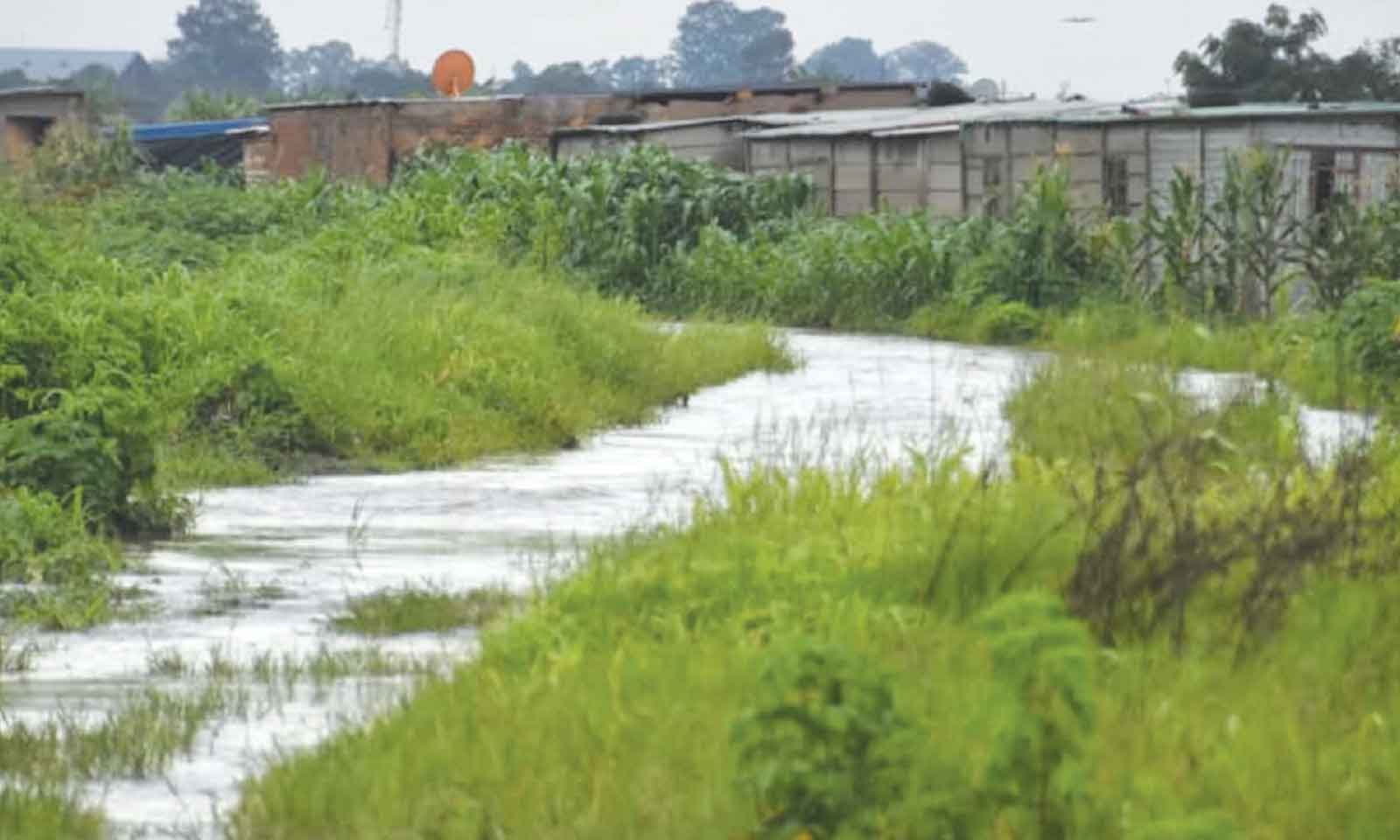
Herald Reporter
Zimbabwe’s disaster management authorities have placed emergency structures on high alert following a severe weather warning from the Meteorological Services Department, amid forecasts of heavy rainfall, strong winds and thunderstorms across parts of the country.
The Department of Civil Protection says national, provincial and district response mechanisms have been activated, supported by funding from the National Disaster Fund, as authorities prepare for a heightened risk of flooding and related hazards.
What is the weather threat?
The MSD has warned that a combination of warm, moisture-laden air and low-pressure systems is likely to trigger widespread thunderstorms between Tuesday January 20 and Saturday January 24, 2026.
In some areas, rainfall could exceed 50 millimetres within 24 hours. With soils already saturated after weeks of rain, officials say this significantly increases the risk of flash flooding, dangerous road conditions, landslides and rockfalls in steep terrain.
The MSD has cautioned that flooding could occur rapidly, particularly during intense downpours.
How long does Zimbabwe’s rainy season usually last?
Zimbabwe’s rainy season typically runs from mid-November to late March, with rainfall peaking between December and February.
This period accounts for most of the country’s annual rainfall and is central to agriculture, water supplies and hydropower generation. Rainfall is rarely evenly distributed, often arriving in short, intense bursts separated by dry spells.
These heavy downpours are the main drivers of flash flooding.
Why flood risk increases mid-season
Flood risk tends to rise midway through the rainy season, when repeated rainfall leaves soils saturated and rivers swollen.
By January, even moderate additional rainfall can trigger flooding because the ground can no longer absorb excess water.
This is why disaster authorities frequently identify January and February as high-risk months, particularly in floodplains, low-lying urban settlements and areas near major river systems.
Can the rainy season extend beyond March?
Although seasonal rains usually taper off by late March, late-season rainfall can extend into April, especially in years influenced by broader regional weather systems.
When late rains occur after a wet core season, they can still trigger flooding, particularly in catchments that have already received above-average rainfall.
Which areas are most at risk?
Authorities say vulnerability is highest in:
Flood-prone and low-lying areas, including river basins and wetlands;
Urban communities with poor drainage, especially those near major rivers;
Hilly and mountainous regions, notably the Eastern Highlands, where landslides are a known risk.
Impacts are expected to vary depending on local rainfall intensity, land use and terrain.
How prepared is the Government?
The Department of Civil Protection says it is operating at full readiness.
According to its director, Mr Nathan Nkomo, the Ministry of Finance, Economic Development and Investment Promotion has released an initial tranche of funding from the National Disaster Fund to support preparedness and response activities.
In addition, the National Multi-Hazard Contingency Plan has been distributed to all provinces and districts to guide localised response measures.
“We cannot stop natural disasters, but we can mitigate them,” Mr Nkomo said.
What role does climate variability play?
Zimbabwe’s rainy seasons are influenced by natural climate variability, including large-scale ocean–atmosphere patterns such as El Niño and La Niña, which affect rainfall across southern Africa.
El Niño years are typically associated with below-average rainfall and drought.
La Niña phases are more often linked to above-average rainfall, increasing flood risk.
Meteorologists caution that these climate drivers do not act alone. Local weather systems, soil conditions and regional circulation patterns also play a critical role in shaping rainfall intensity and distribution.
Authorities say this variability makes season-long preparedness essential, even when forecasts change.
What safety advice are authorities giving the public?
The MSD and CPU have issued specific guidance aimed at reducing loss of life and injury:
Seek shelter indoors immediately when lightning is observed;
Do not shelter under trees or near tall objects;
Avoid using machinery, open vehicles such as tractors, or open spaces;
Do not use taps, showers or bathe during lightning storms;
Do not attempt to cross flooded rivers or streams, on foot or by vehicle;
Be alert to strong winds that may cause falling trees or roof damage.
What should households and farmers do now?
Households: Secure loose items, check roofs and gutters, prepare emergency supplies (water, food, torch, radio, important documents), and identify evacuation routes to higher ground.
Farmers: Move livestock away from riverbanks and low-lying grazing areas, protect stored grain from water damage, secure equipment, and suspend field activities during storms.
What disruptions should people expect?
Authorities warn that the weather could disrupt daily life in several ways:
Transport: Low-lying bridges and some roads may become impassable;
Utilities: Power and water supply interruptions are possible;
Public services: Communities may face temporary access challenges during peak rainfall.
The public is urged to rely on official updates from the MSD and the Department of Civil Protection, rather than unverified information.
Key points to remember
Zimbabwe’s disaster response structures are on full alert nationwide.
The highest-risk period is 20–24 January, with flash floods the main concern.
Flood risk is elevated during the peak rainy months of January and February.
Following storm safety guidance could be lifesaving.
Households and farmers are advised to complete preparations urgently.
This explainer is based on an MSD advisory issued on 18 January 2026 and statements released by the Civil Protection Unit on 19 January 2026.