

 admin
admin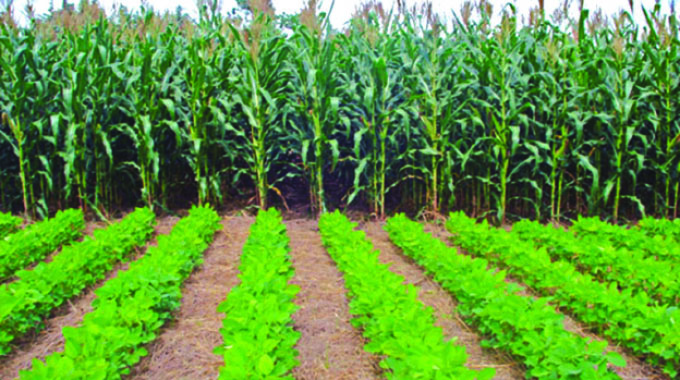
Grace Chekai-Correspondent
In recent years, Zimbabwe has embarked on a journey of economic recovery and social transformation, guided by the strategic initiatives implemented by President Mnangagwa.
The Government, led by President Mnangagwa, has taken bold steps to stabilise the currency, boost Gross Domestic Product (GDP), improve social conditions and enhance agricultural practices.
These efforts have not only yielded positive results but have also positioned Zimbabwe as an emerging economic force on the African continent.
Under the able leadership of President Mnangagwa, the Government has implemented several measures to stabilise the currency and bolster economic growth. One of the notable achievements was the introduction of the Foreign Exchange Auction System in June 2020.
This system played a crucial role in promoting transparency and efficiency in the allocation of foreign currency, leading to a more stable exchange rate.
According to the latest statistics, the Zimbabwean dollar has shown signs of stability against major currencies, with a gradual reduction in volatility.
The Foreign Exchange Auction System has facilitated a more predictable business environment, attracting both local and foreign investors.
This, in turn, has contributed to increased confidence in the financial markets.
Under the steadfast leadership of President Emmerson Mnangagwa, Zimbabwe’s economy has exhibited remarkable signs of recovery, with the recent Zimbabwe Economic Update for the current year projecting a robust growth trajectory.
The report highlights that the economic recovery, already underway, is set to gain further momentum in 2022, with a forecasted GDP growth rate of 5.1 percent.
This optimistic outlook can be attributed to the effective implementation of National Development Strategy 1 (2021-2025), which is yielding tangible and positive results across various sectors.
The Government’s commitment to the National Development Strategy has played a pivotal role in fostering economic revival.
The strategic initiatives outlined in the plan focus on addressing key challenges, promoting sustainable development, and unlocking the nation’s economic potential.
As a result, the economy is experiencing a resurgence marked by increased productivity, investment inflows, and job creation.
The positive growth forecast for 2022 underscores the success of President Mnangagwa’s administration in steering the nation towards stability and prosperity.
Agriculture stands as a cornerstone in Zimbabwe’s economic resurgence, notably propelled by the impactful Pfumvudza Programme initiated in 2020.
This agricultural intervention has ushered in a transformative era, revolutionising farming practices and significantly elevating productivity levels.
The Pfumvudza Programme, which encourages small-scale farmers to adopt climate-smart agriculture techniques, has not only bolstered crop yields but also played a vital role in enhancing food security throughout the nation.
The Government’s strategic emphasis on climate-smart agriculture has positioned Zimbabwe to navigate potential challenges on the horizon, including the anticipated El Niño in the upcoming 2023/2024 drought season.
The foresighted approach has equipped the agricultural sector with resilience, ensuring that the nation can withstand external shocks and maintain food self-sufficiency.
This resilience is particularly evident in the surplus grain production resulting from the Pfumvudza Programme, offering a buffer against the potential impacts of adverse weather conditions and contributing to a more stable and secure food supply chain.
As a testament to the success of the Pfumvudza Programme, comprehensive data reveals a substantial increase in crop yields, highlighting the programme’s positive impact on national agricultural output.
The surplus in grain production not only meets domestic consumption needs but also positions Zimbabwe favourably in the global food market.
The ripple effects of this agricultural success extend beyond economic gains, positively influencing livelihoods, rural communities, and the overall well-being of the population.
The combination of effective policies, sustainable practices, and forward-thinking initiatives demonstrates Zimbabwe’s commitment to building a resilient and thriving agricultural sector integral to the nation’s economic resurgence.
The Government has prioritised social development, with a focus on housing and infrastructure.
The National Housing Programme, initiated in collaboration with the private sector, has made significant strides in addressing the housing deficit.
To date, over 20,000 affordable housing units have been constructed across the country, providing shelter for many previously marginalised citizens.
In addition to housing, the Government has invested in social services, including healthcare and education. The Health Sector Transformation Strategy has improved healthcare delivery, resulting in increased life expectancy and a reduction in disease prevalence.
Educational reforms have enhanced access to quality education, empowering the youth and preparing them for active participation in the workforce.
Zimbabwe has recently enjoyed a phase of political stability that reached its pinnacle with the Harmonised Elections in August 2023.
Notably, these elections were conducted peacefully and transparently, garnering participation from a range of political parties.
The Southern African Development Community (SADC) endorsed the elections as free and fair, underscoring Zimbabwe’s dedication to democratic governance.
This period of political tranquilly and the successful electoral process reflect the nation’s commitment to fostering a democratic and inclusive political landscape.
Despite international recognition of the elections, some organisations, including the Chairperson of the SADC Election Observer Mission (SEOM), Mumba, raised concerns.
However, the overall consensus, both domestically and regionally, is that Zimbabwe has made significant progress in fostering a peaceful political landscape.
Zimbabwe’s efforts have not gone unnoticed on the global stage.
Despite facing economic sanctions and the challenges posed by the Covid-19 pandemic, the country has been recognised for its resilience and commitment to economic reforms.
International surveys have ranked Zimbabwe as one of the most improved economies, reflecting the positive impact of government policies on various sectors.
In the tourism sector, Zimbabwe has emerged as a top destination.
The country’s rich cultural heritage, diverse landscapes, and wildlife attractions have drawn attention globally.
Tourist arrivals have increased steadily, contributing to the overall economic recovery.
To conclude, Zimbabwe’s economic achievements and progressive policies underscore a commitment to transformative change.
The government’s focus on currency stabilisation, GDP growth, social development, agricultural innovation, and political stability has laid the foundation for a more prosperous future.
While challenges persist, the resilience and determination exhibited by Zimbabwe in the face of adversity signal a positive trajectory towards sustained economic growth and social well-being.



 Online Reporter