Online Reporter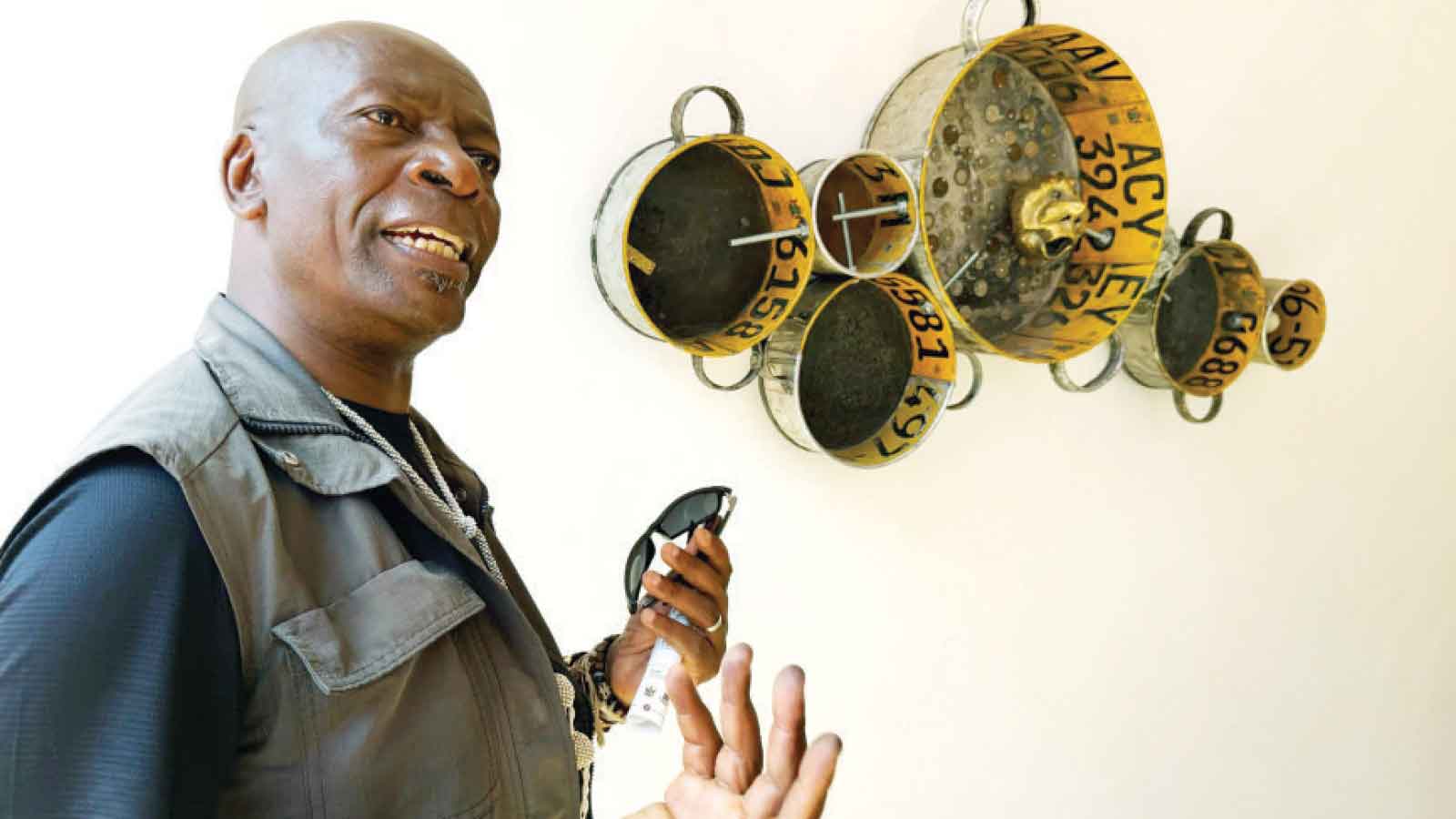
Nyore Madzianike in VENICE, Italy
ZIMBABWE’s pavilion at the International Art Exhibition Venice Biennale continues to grow with every edition, attracting more than 4 000 visitors every week and strengthening the country’s profile on the global arts stage.
The country is participating in the ongoing 61st Venice Biennale, which started on May 9 and ending on November 22, under the theme ‘The Nature/Manyonga’.
The exhibition celebrates Zimbabwean creativity while conveying messages of resilience, identity and continuity.
Eva Raath, Pardon Mapondera, Franklyn Dzingai, Felix Shumba and Gideon Gomo are the Zimbabwean artists participating at the exhibition.
National Gallery of Zimbabwe executive director Mr Raphael Chikukwa said participation in the prestigious exhibition continues to create life-changing opportunities for local artists while enhancing the country’s international image.
“I am sure this is a great opportunity for the Zimbabwean artists.
“It is a life-changing opportunity for some of the artists that have taken part in the Venice Biennale, and today they are being celebrated or represented by galleries in London, Paris, New York and many other spaces.
“They have taken part in Cape Town Art Fair, Johannesburg Art Fair, Art Basel Art Fair, and this feeds into the pillar which is image building, because when they are here, they are not just representing themselves, they are representing the country, the beautiful country called Zimbabwe.
“So the image-building pillar is built through our representation in the Venice Biennale because this is the biggest Biennale in the world, the oldest.
“All the art gurus come here to Venice to appreciate what art is coming out of other countries, and Zimbabwe is one of those.”
Mr Chikukwa said Zimbabwe’s participation has evolved into more than an exhibition of artworks, becoming a platform that opens international markets and recognition for local creatives.
He said artists who had exhibited in Venice had gone on to secure representation by leading galleries in major international cities while participating in some of the world’s most prestigious art fairs.
According to Mr Chikukwa, Zimbabwe’s continued presence at the Venice Biennale also contributed significantly to the country’s image-building efforts by projecting a positive national identity to global audiences.
He said this year’s exhibition communicated a message of endurance and hope through its artistic presentation.
“Manyonga-Second Nature, the message is the resilience of the Zimbabwean people, the resilience of the African people,” he said.
Zimbabwe’s pavilion features artists whose works explore contemporary social issues while reflecting the country’s rich cultural heritage and artistic innovation.
Mr Chikukwa said the country’s consistency in participating in the exhibition has become one of its greatest strengths.
“The continuity of Zimbabwe is one of those issues that people are talking about, saying most African countries come and go, but Zimbabwe has been present at Santa Maria della Pieta since 2011.
“Most importantly, we are getting at least 4 000 people a week who are coming to the Zimbabwe pavilion,” he said.
The growing number of visitors reflects increasing international interest in Zimbabwean contemporary art and the country’s contribution to global cultural dialogue.
Zimbabwe first participated in the Venice Biennale in 2011, becoming one of the few African countries to maintain a consistent presence at the prestigious event.
Since then, each successive exhibition has broadened the country’s international reach while providing Zimbabwean artists with opportunities to engage collectors, curators, museum directors, critics and gallery owners from across the world.
The Biennale is regarded as the world’s oldest and most influential international art exhibition, drawing participants from dozens of countries and attracting hundreds of thousands of visitors during its run.
It provides countries with an opportunity to present their artistic identity through national pavilions while fostering cultural exchange and international collaboration.
For Zimbabwe, continued participation has become an important cultural diplomacy tool that showcases the country’s creative talent while promoting its heritage and strengthening its reputation within the global arts community