admin
admin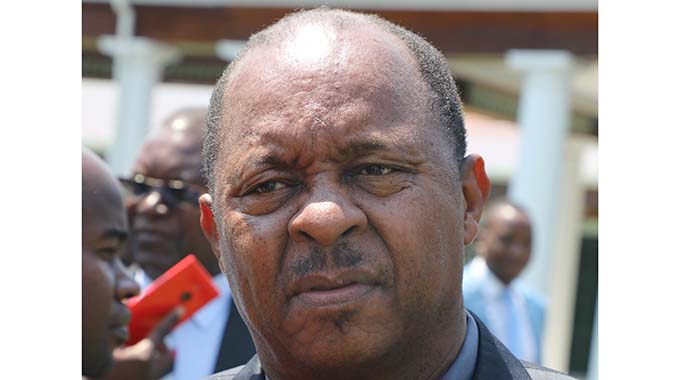
Sharon Munjenjema
Zimbabwe has set itself on the right path to unlock the next round of US$400 million from the Global Fund to finance malaria, HIV and tuberculosis medicinal and related programmes after Harare deposited an initial US$2,5 million of its US$6,9 million obligation to the pool.
The Global Fund partnership draws and invests more than US$4 billion annually in support of HIV, malaria and tuberculosis programmes run in more than 100 countries.
Global Fund provides drugs for about 700 000 out of the 1,3 million people living with HIV in Zimbabwe with Government and other partners catering for the remaining 600 000 patients.
The funding programme runs in three-year cycles with the next round commencing next year up to 2022. Countries are expected to contribute to the pool of resources.
Speaking to our Harare Bureau Health and Child Care Minister Dr Obadiah Moyo said:
“We have started paying. We set down with them and discussed it (our contribution); so all arrangements are in place and there is money which has gone through, we are safe.
“The first payment was made when they came, it was processed within the same week. US$6,9 million was committed by RBZ (Reserve Bank of Zimbabwe), US$2,5 million went and they are working on sending the remaining money until it is all paid off.”
The Global Fund allocated Zimbabwe US$400 million to fight malaria, HIV and tuberculosis during the 2018 to 2020 implementation period.
From the expected next round of funding, about 85 percent will go towards HIV programmes while 10 percent will go towards containing malaria and 5 percent for the fight against tuberculosis.
With an HIV prevalence rate of 13 percent, Government continues to make concerted efforts towards fighting the epidemic.
Zimbabwe is in line to attain the UNAIDS-set 90-90-90 targets, which
seek to have 90 percent of people with HIV know their status, 90 percent of all HIV positive people on effective treatment and 90 percent of people on effective treatment being virally supressed by 2020.
It is expected that if these targets are met by all countries globally, the Aids epidemic can be eradicated by 2030.



 Online Reporter