Online Reporter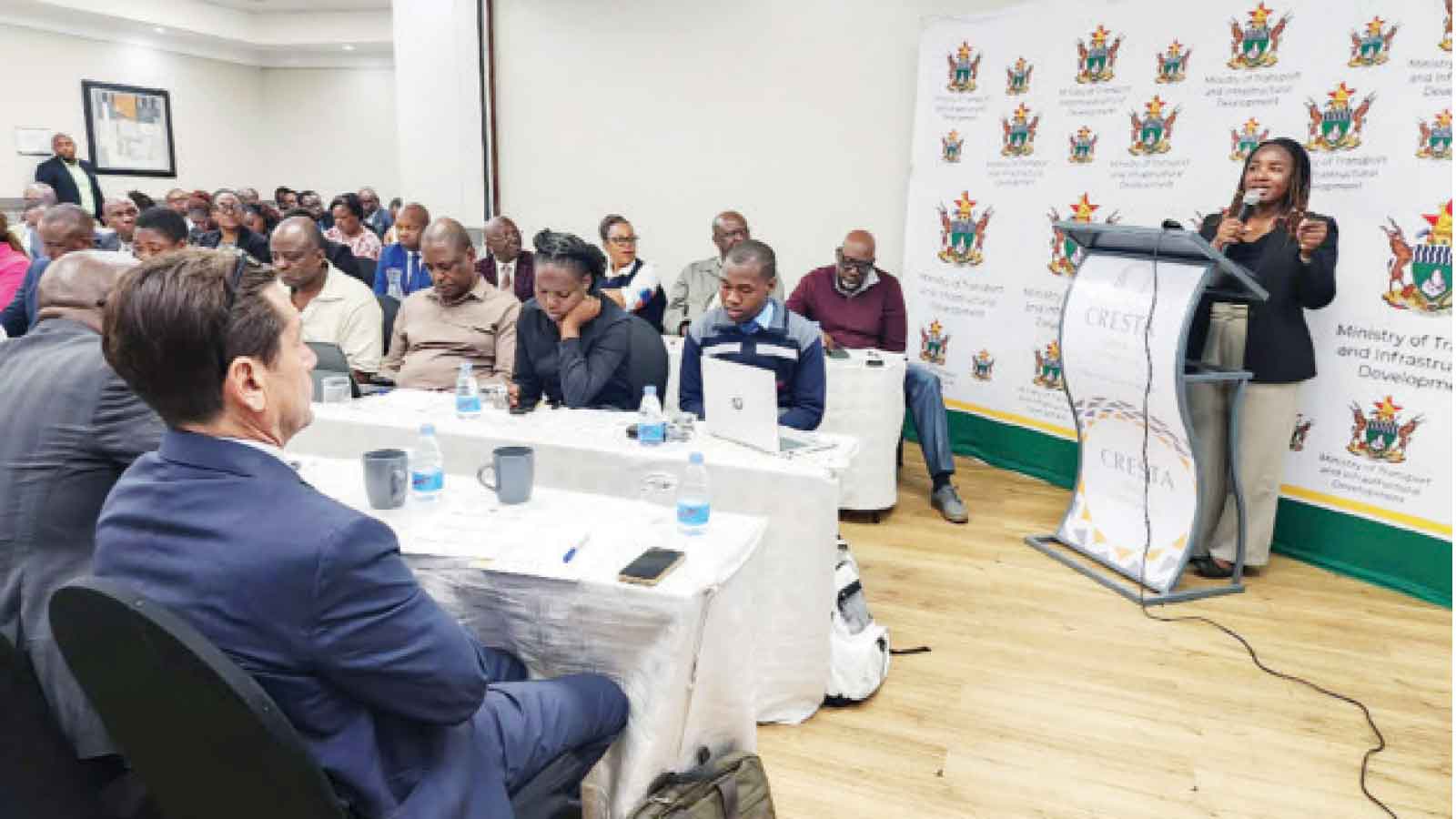
Freeman Razemba-Senior Reporter
ZIMBABWE is ready to transition to a cleaner and smarter mobility future, one that protects the environment, strengthens institutions and improves public transport through the use of electric vehicles.
This week, the Government and the United Nations are holding a two-day workshop on the implementation and way forward for advancing clean, sustainable and efficient electric mobility in Zimbabwe.
The Global Environment Facility 8 (Gef-8) workshop is being held under the theme; “Supporting the Shift to Electric Mobility in Zimbabwe” – a US$10 million medium-sized initiative executed by the Ministry of Transport and Infrastructure Development (MTID) and implemented via the United Nations Environment Programme (UNEP).
Addressing the meeting, Permanent Secretary in the Ministry of Transport and Infrastructural Development, Engineer Joy Makumbe, said Zimbabwe’s transport sector is a major contributor to greenhouse gas emissions and local air pollution.
“Our cities continue to experience the pressures of urbanisation and motorisation, while many citizens, especially commuters, face high transport costs, overcrowding and inconsistent service quality.
“At the same time, our national development agenda (NDS 2) requires solutions that are environmentally responsible, resilient to climate risks and aligned to our commitments under national strategies and the Paris Agreement through our Nationally Determined Contribution (NDC) implementation,” she said.
She said electric mobility is not a fashion trend, but a practical policy and investment pathway that can help Zimbabwe reduce greenhouse gas emissions, improve air quality, enhance transportation efficiency and create new opportunities in skills, jobs and cleaner technologies.
“But we must also be clear: electrification without sound systems can create new problems. That is why this project is designed not only to electrify vehicles, but to build the enabling framework for policy, regulation, infrastructure, capacity and environmentally sound management of electric vehicles (EVs) and battery waste,” Eng Makumbe said.
She said the project’s objective is to accelerate Zimbabwe’s transition to electric mobility, focused on enabling institutional and policy frameworks for integrated e-mobility systems; demonstrating electric public transport through the e-bus pilot; scaling up and replication through regulations, standards and financing mechanisms; and ensuring long-term environmental sustainability, including the end-of-life management of EVs and batteries.
“Allow me to highlight the most important feature of this design: it combines demonstration with replication. We will learn from the pilot in order to inform national policy, regulatory reforms and investment pathways — not in isolation, but through structured stakeholder coordination.
“In particular, the project will support: a national inter-sectoral coordination platform and thematic working groups; updating and strengthening the national e-mobility policy roadmap with gender-responsive measures; creation of a public e-mobility knowledge management repository to ensure transparency and shared learning and gender-responsive communication plan,” she said.
Other components include an assessment of EV charging needs for Harare, including recommended business models and charging locations; a market study on local EV supply chains; an investment plan and financing mechanisms to accelerate uptake; and frameworks and schemes for environmentally sound EV and battery end-of-life management.
Permanent Secretary in the Ministry of Environment, Climate and Wildlife, Mr Simon Masanga, also said climate change remains one of the defining challenges and globally, energy-related carbon dioxide emissions reached a new peak of 37.4 billion tonnes in 2023, with transport accounting for a significant and growing share.
“Here at home, Zimbabwe’s registered vehicle fleet has grown more than fivefold in a decade, from roughly 300 000 vehicles in 2010 to over 1,58 million in 2023, mostly imported, fuel-dependent and ageing.
“This growth places mounting pressure on our foreign currency reserves, our urban air quality and our commitment to a low-carbon development pathway,” he said.