Online Reporter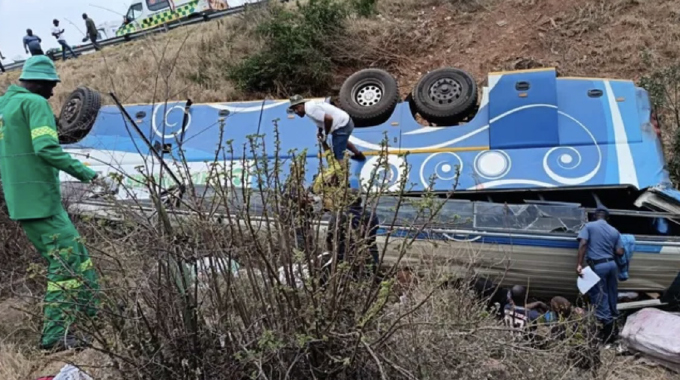
Thupeyo Muleya Beitbridge Bureau
THE long wait for closure finally ended last night for the families of six Zimbabwean children who perished in last month’s horrific Makhado bus disaster.
After 39 agonising days, the minors — whose identities could only be confirmed through painstaking DNA tests — were finally brought home.
A heavy silence settled over Beitbridge as a convoy of six hearses rolled through the border post at dusk, each carrying the small coffin.
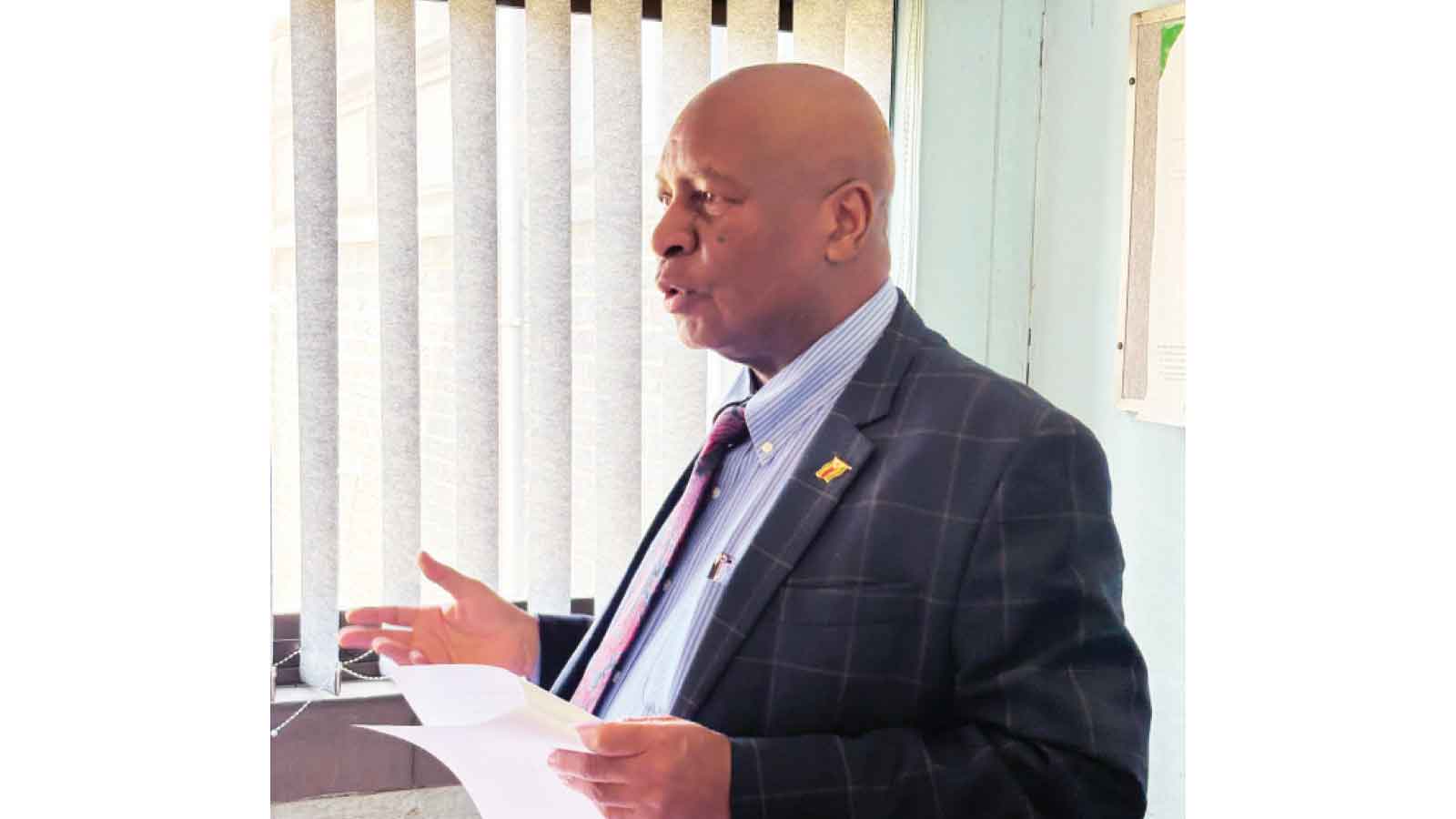
Zimbabwe’s Consular-General to South Africa, Mr Eria Phiri, led the solemn procession, accompanied by embassy staff.
They were received by members of the local civil protection committee and the Beitbridge community, led by District Development Coordinator Mrs Sikhangezile Mafu.
A memorial service was held at the Doves Funeral Services parlour, where bereaved families gathered to receive their children and receive Government food hampers to assist with burial arrangements.
The return of the bodies marked the final chapter in a tragedy that claimed 44 lives – including 36 Zimbabweans and eight Malawians – when a DNC bus travelling from Port Elizabeth to Zimbabwe veered off the road and plunged into a cliff near Makhado, about 100km from Beitbridge, on October 12.
Mr Phiri confirmed that the repatriation of the six minors followed the completion of DNA tests, the only reliable method of identification given that children are often not registered in the Central Registry system.
“Working with the host Government and its agencies, and with the Government of Zimbabwe covering related expenses, we have successfully completed the repatriation of the six children,” he said.
“They were positively identified through DNA, and this was further confirmed through physical identification by their families on Monday at Siloam Hospital.”
He added that all paperwork was finalised on Tuesday, allowing the convoy to depart South Africa on Wednesday.
“This was an onerous and strenuous process for the relatives,” said Mr Phiri.
“We share their grief as Zimbabweans.”
Thirty adult victims were repatriated two weeks earlier, having been identified through photographs, fingerprints and physical confirmation.
However, for the minors, DNA testing was critical to prevent cases of mistaken identity.
Meanwhile, four Zimbabweans injured in the crash remain hospitalised in Limpopo, though they are reported to be recovering well.