Online Reporter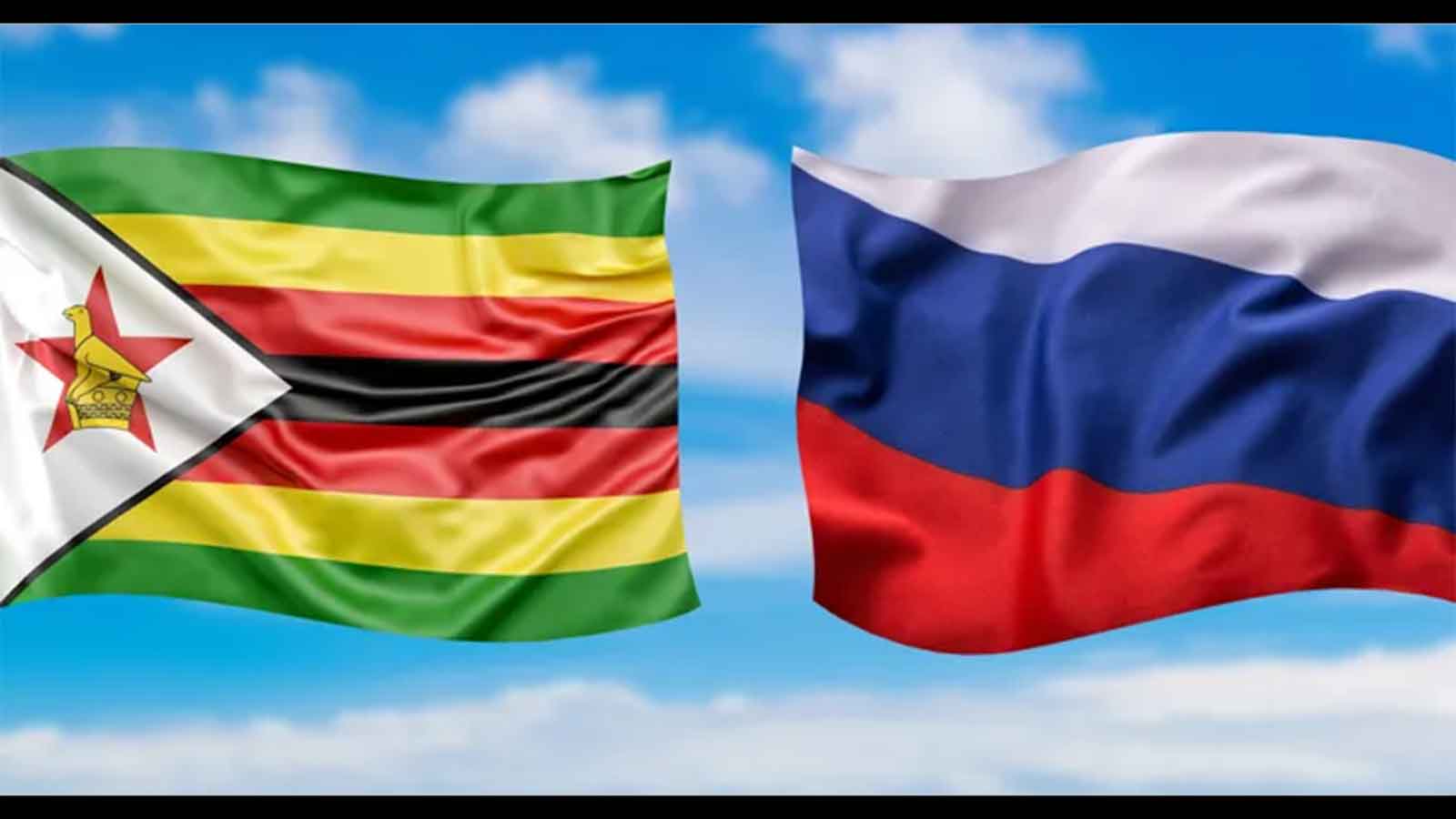
Gibson Nyikadzino-Zimpapers Politics Hub
ZIMBABWE and Russia should continue deepening cultural cooperation by strengthening existing connections and celebrate the rich cultural diversity that unites the two peoples as members of one global community, an official from the Embassy of Russia has said.
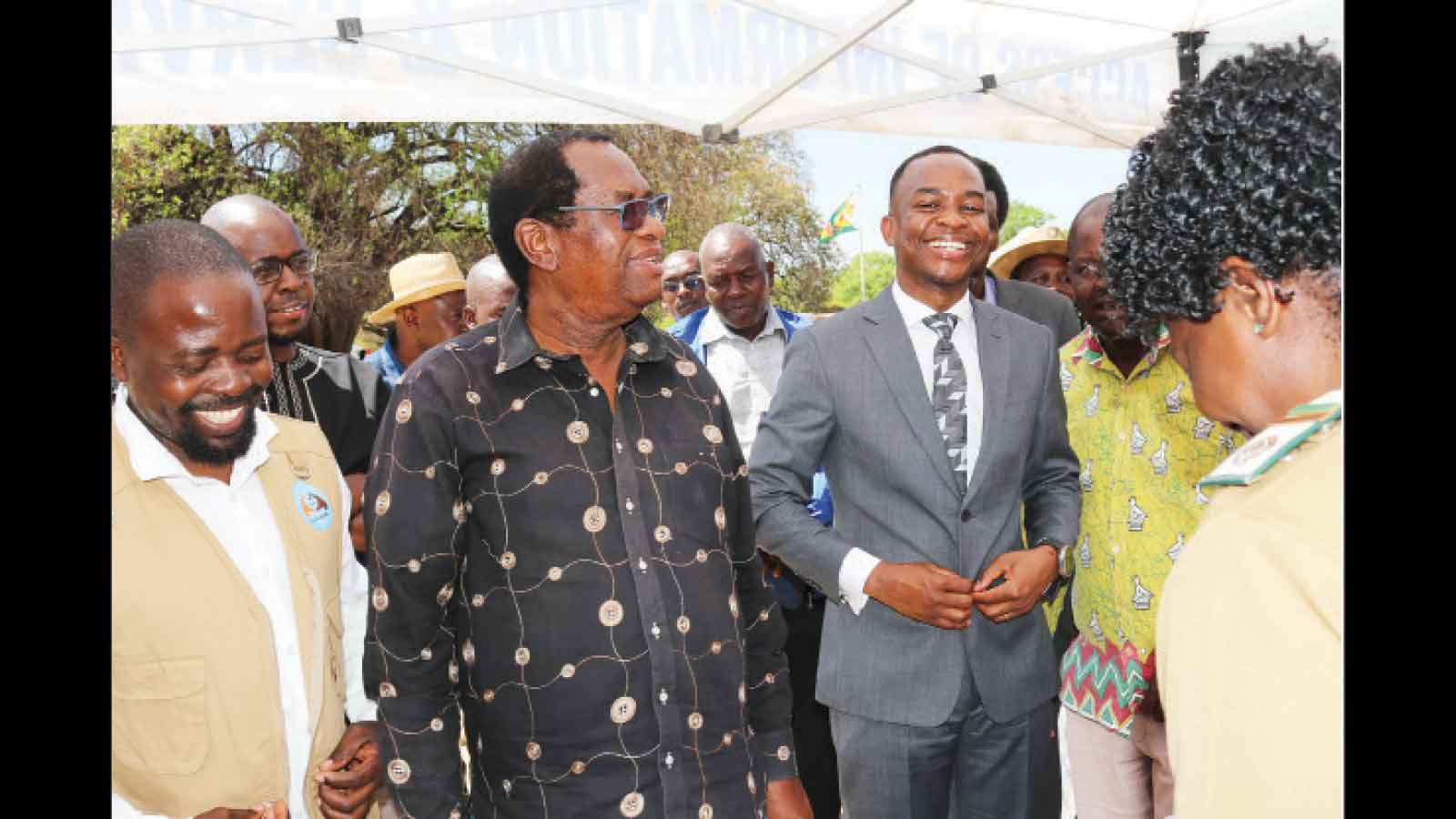
Officially opening a two-day language seminar attended by Russian officials and local researchers, educators, students and lecturers in Harare, the embassy’s representative Ms Anna Verkhovtseva said the two countries must celebrate the power of language as a bridge between cultures and nations.
The seminar themed “Russian Language – Uniting Peoples” comes as Zimbabwe and Russia accelerate cultural exchange programmes through learning, education and business.
“This seminar is an opportunity to deepen our knowledge, strengthen our connections and celebrate the rich cultural diversity that unites us as members of one global community.
“In today’s interconnected world, the ability to speak and understand different languages is an important tool for strengthening international cooperation and friendship,” Ms Verkhovtseva said.
Russian is one of the major languages of international communication, spoken by over 280 million people.
Ms Verkhovtseva said through studying Russian, many people including Zimbabweans have gained access to the works of great writers, scientists, philosophers, musicians and artists whose contributions have enriched world civilisations.
Several Zimbabweans who attended the seminar and are also fluent in Russian, said they built networks during their stay in Russia and through learning the culture, managed to assimilate into that society.
“There are more opportunities that come by knowing the Russian language. This is part of the Zimbabwe-Russia cooperation. I am now aware of the Russian history, and the contemporary life in Russia. Through this cooperation, I managed to study in Russia through a scholarship,” said Ms Nomatter Gumbo.
Mrs Natalia Artemova also encouraged more exchanges between Zimbabwe and Russia, noting that the Russian language is more than words, but also a space of culture, knowledge and dialogue.