

 Chronicle Editor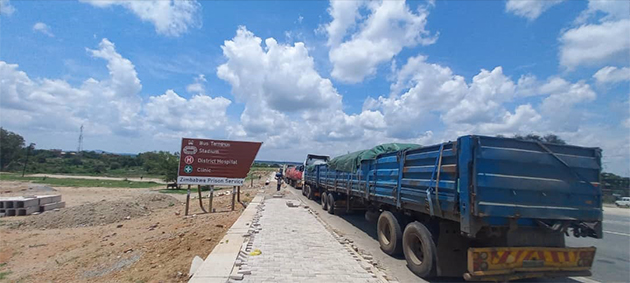
Thupeyo Muleya in Beitbridge
THE inter-border management committee between Zimbabwe and South Africa has facilitated the improved movement of commercial cargo through the Beitbridge Border Post.
Commercial trucks with cargo destined for the regional and international markets have been spending over 24 hours entering South Africa after authorities in that country ran out of parking space due to increased December traffic.
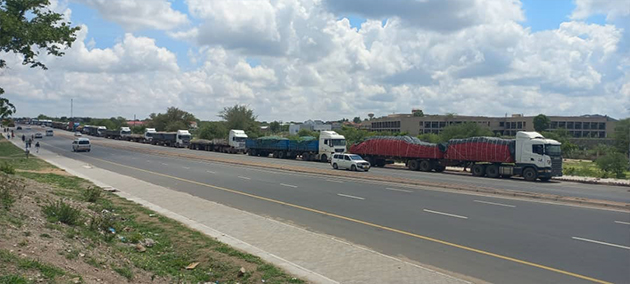
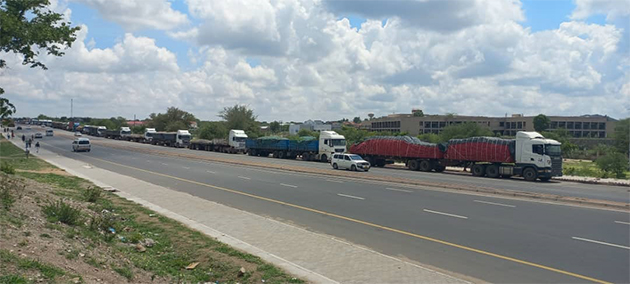
Long queues of both southbound commercial haulage trucks had become common in the last few days.
The Beitbridge to Masvingo Road had become an eyesore with the truckers literally dominating the entire highway.

As of yesterday, there were short moving queues of commercial trucks on the major roads with most having left for their destinations at the weekend.
“We have engaged our counterparts over the delays on the cargo clearances through the inter-border management committee. The trucks have been cleared and most of them left the country on Tuesday evening,” said a Zimbabwean border official.
The shortage of parking infrastructure at the South African side of the border at Beitbridge has resulted in commercial cargo destined for regional and international markets piling up on the Zimbabwean side.
During off-peak times around 100 buses, 900 commercial trucks and 500 light vehicles and 12 000 travellers use the border daily.
The number rises threefold during major holidays including the festive season, school holidays and the Easter holidays.
South Africa Revenue Services spokesperson, Mr Siphithi Sibeko said although traffic had increased the situation was now under control.
“This is high season, and naturally there’ll be many trucks crossing with concomitant heavy traffic,” he said.
“In order to avoid any delays, people need to have proper customs documents, especially if they’re carrying with them products, which attract duties (import/export)”.
Zimbabwe has since modernised its border into three terminals at a cost of US$300 million to cater for commercial, buses and light vehicles, and pedestrians.
The port of entry (Zimbabwe), which is also automated and uses biometrics to prevent irregular migrants and criminals from accessing the area links South Africa with Zambia, Botswana, Mozambique, Angola, DRC, Malawi and Tanzania.
The move has paid dividends with the customs yard in Zimbabwe now able to hold up to 200 trucks at any given time. However, space remains a challenge on the South African border.
To avoid clogging the N1 highway, the South Africans are now using the commercial parking for non-commercial vehicles, which is rising daily.
In the last five days the trucks were being cleared into South Africa in batches of 20 or 30.
This then led to congestion on the Zimbabwean side where trucks were lining up on the main road linking the port of entry and the roads leading Bulawayo and Harare.
Statistics from Zimbabwean border agencies show that an average of 24 000 travellers, 2000 light vehicles, 1000 commercial trucks and 190 buses are crossing the border daily. -@tupeyo



 Blessing Chizhande
 Online Reporter