Chronicle Editor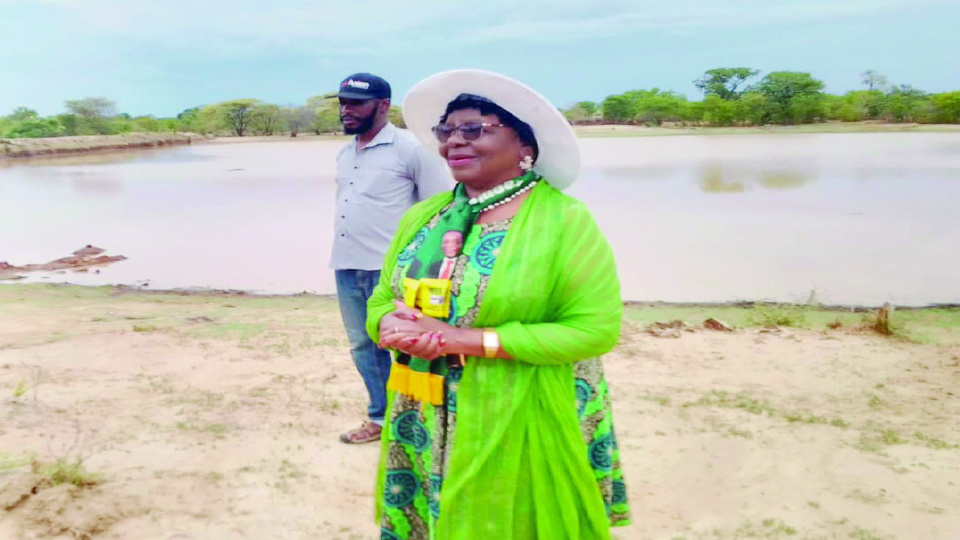
Sikhumbuzo Moyo, [email protected]
THE Rural Infrastructural Development Agency (Rida) has joined hands with locals to build six community dams in Nkayi North constituency to enhance water harvesting and mitigate adverse climate change impacts through income-generating projects.
Besides providing drinking water for domestic animals, the dams will also allow villagers to start income-generating projects such as nutrition gardening, fish farming and brick moulding.
Due to increased incidents of long dry spells, which resulted in the loss of livestock and poor harvests, communities in several wards have organised themselves and pooled financial resources to purchase fuel before approaching their legislator, Dr Sithembiso Nyoni, to engage Rida for equipment support. Diasporans from Nkayi North have also chipped in.
Climate change is a serious issue globally and this year the country is experiencing an El Nino effect, which has already crippled the summer cropping season and farmers are banking more on irrigation farming as they shift focus from rain-fed agriculture.
The new community dams have been built in Makhwatheni area in Ward 12, Sikatshali in Ward 11, Mgwena and Nsukeni in Ward 8 as well as Matshamhlophe in Ward 20. Another dam has been built at Mandlethu area while the seventh has been surveyed at Gampinya area.
All the dams except Makhwatheni were constructed with the assistance of the villagers who provided financial input for fuel and labour while Makhwatheni, the biggest of all the dams with a 400-metre-long dam wall, was wholly funded by the Government.
On Tuesday Dr Nyoni, who is also the Minister of Industry and Commerce conducted a tour of Nsukeni Dam in Ngwaladi Village, and Makhwatheni in Ward 12 in the company of Zanu-PF provincial council member, Cde Joana Ncube.
Nsukeni Dam has already filled up following rains that have been pounding the area recently while Makhwatheni is yet to receive inflows.
“This is what President Mnangagwa will be referring to by his philosophy: Nyika inovakwa nevene vayo/Ilizwe lakhiwa ngabaninilo,” said Dr Nyoni.
“This community-initiated project started with the villagers contributing money for fuel. They then approached us as leadership so that we engage Rida, which we did and I want to thank Rida for such a wonderful job.
“Part of the fuel was of course provided by Rida themselves and for that, we are also grateful. I want to thank our children too who are in the diaspora, especially in South Africa who were steadfast towards this project.”
Speaking at Nsukeni Dam site, Cde Ncube said the community was excited as the projects have come to fruition, which is proof that once a community is united and development-minded, bigger things can be achieved.
“We want to thank our member of Parliament for Nkayi North for her guidance and pro-people attitude, we can now say we are water secure because the dam is full as you can see,” she said.
“Over and above our animals having a secure place for drinking water, we will now do income-generating projects like nutrition gardens and brick moulding.”
Makhwathini Dam will also be a game changer for the villagers as there are plans for a fish project over and above other income-generating initiatives.
The construction of new dams across the country is a fulfilment of the Second Republic’s 2018 election manifesto to boost agriculture production and productivity for better livelihoods as the country charges towards an upper-middle-income economy by 2030.
The deliberate boost in agriculture production has also seen the country attain a US$8,2 billion agricultural economy in a record 18 months after launching the Agriculture and Food Systems Transformation Strategy in 2020. In another development, Chief Sivalo has made an impassioned plea for the Government to prioritise drilling of boreholes in his area saying his place has lagged behind in this aspect since 1980.
The traditional leader said villagers have been relying on unprotected wells and getting water from the nearby Shangani River bed.
“My biggest plea really is on the issue of boreholes in my area. People are using river water, which they tap from wells and I don’t think this is good so I am appealing to authorities to prioritise this area and drill boreholes in villages across the country,” said Chief Sivalo.
He said engineers from the Zimbabwe National Water Authority (Zinwa) visited the area sometime in August and carried out some surveys before going back with a promise of returning.
“These engineers said they found that there was coal underneath, which made it impossible to drill a borehole but, in some areas, they did find water,” said Chief Sivalo.



 Online Reporter