Online Reporter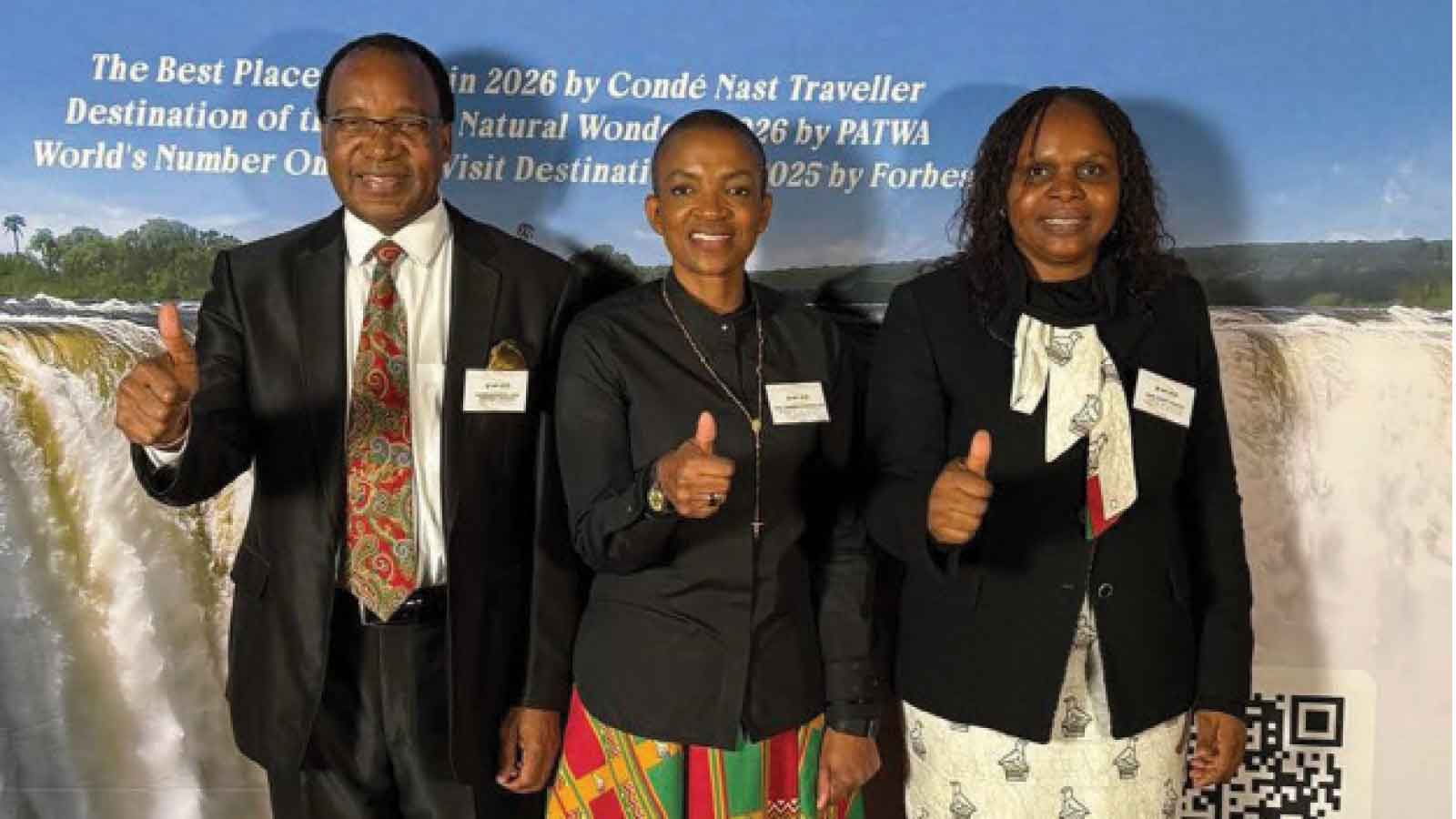
Herald Reporter
Thousands of kilometres separate Zimbabwe and Australia, but tourism officials believe the distance is no barrier to building stronger ties between the two nations.
This week, Zimbabwe took a bold step towards deepening those ties when a high-powered delegation led by Tourism and Hospitality Industry Minister Barbara Rwodzi and Zimbabwe’s Ambassador to Australasia, Joe Tapera Mhishi, wrapped up a two-city tourism roadshow in Sydney and Melbourne.
The mission was to reintroduce Zimbabwe to one of its most valuable tourism markets and persuade more Australians to choose the country as their next travel destination.
The delegation, which included tourism marketing and finance executives, held engagements with travel agents, tourism suppliers, media practitioners and members of the Zimbabwean diaspora community in Australia.
At the heart of the discussions were Zimbabwe’s rich tourism offerings — from the majestic Victoria Falls and abundant wildlife to its cultural heritage, warm hospitality and the opportunities that will come with the 2027 Cricket World Cup, which Zimbabwe will co-host.
While global tourism destinations are competing fiercely for visitors, Minister Rwodzi said Zimbabwe has no intention of being a passive player.
When asked how Zimbabwe would distinguish itself in Australia’s competitive outbound tourism market, Minister Rwodzi offered a straightforward response.
“Aggressiveness. We will push very hard and we won’t be doing things in the usual way,” she explained.
It is a strategy informed by hard numbers.
Although Australia contributed 33 000 tourist arrivals to Zimbabwe in 2024 before declining to 27 347 last year, the market remains critically important.
Australia is Zimbabwe’s fourth-largest source market by visitor arrivals.
More importantly, it is the country’s leading source market in terms of tourism spending.
For a nation pursuing tourism-led economic growth, that distinction matters.
“This is why we want more Australians coming to our country, because arrival numbers are great, but spending is the big deal,” said Minister Rwodzi.
Tourism experts often note that not all visitors contribute equally to an economy.
High-spending tourists tend to stay longer, spend more on accommodation, activities, transport and shopping, and often venture beyond traditional destinations.
It is precisely this type of visitor that Zimbabwe is targeting.
The strategy is not simply about increasing visitor numbers. It is also about encouraging travellers to spend more time in the country and explore destinations beyond Victoria Falls.
Families, couples, young travellers and luxury tourists have all been identified as key target groups as Zimbabwe seeks to broaden its appeal.
The country has also been investing in tourism infrastructure and promoting lesser-known attractions that showcase its diverse landscapes and cultural experiences.
Yet beyond infrastructure and attractions, Minister Rwodzi believes Zimbabwe possesses something that cannot easily be replicated by competitors.
“We’re competing with many destinations, but our culture, hospitality and natural heritage set us apart,” she said.
“We’re trying to create a bridge between Zimbabwe and the world.
“The hospitality — what we offer to those who get a chance to come to our country — is what we think is the biggest advantage of Zimbabwe.”
Indeed, hospitality has long been regarded as one of Zimbabwe’s strongest tourism assets.
Visitors frequently speak of the warmth of local communities, personalised service and authentic cultural experiences that make trips memorable long after they have ended.
The roadshow also highlighted the importance of strengthening connectivity between Zimbabwe and Australia.
Like many long-haul destinations, Zimbabwe faces the challenge of accessibility. For Australian travellers, reaching Southern Africa often involves multiple flight connections and lengthy travel times.
For instance, a traveller may have to fly to Dubai first and then to Harare on a direct flight.
The journey can take up to 22 hours in the air, in addition to time spent waiting for connecting flights, a development that underscores the need for a direct air service.
Minister Rwodzi believes improving air links could unlock greater tourism potential.
Looking ahead, she spoke of the possibility of reviving historic aviation connections between the two countries.
“Zimbabwe is being revived now and, as we see more Australians wanting to come to Zimbabwe, we must revive our link with Qantas,” she added.
“Accessibility then becomes a little cheaper and spending on accommodation and activities will be more affordable.”
For Ambassador Mhishi, the visit was about more than tourism marketing.
It was also about rebuilding a relationship that once flourished.
“The tourism minister has come here because she’s mindful of the history between Australia and Zimbabwe and how strong the tourism sector was,” Amb Mhishi said.
“The tourism sector was the linchpin in driving and entrenching the relationship between our countries.
“A journey of 1 000 miles starts with the first mile, and the minister is taking that first mile along the trajectory of reviving the relationship in the tourism sector.”
His remarks reflected a broader vision in which tourism serves as a bridge connecting people, cultures and economies.
The presence of an estimated 60 000 Zimbabweans living in Australia provides another important foundation for strengthening those ties.
Diaspora communities often play a significant role in promoting tourism, encouraging friends and colleagues to visit their countries of origin while also facilitating business and cultural exchanges.
As Zimbabwe continues to position itself as a destination of choice in international markets, Australia appears set to become a major focus of that effort.
The country’s tourism authorities see significant potential not only in attracting more visitors but also in drawing travellers who are willing to spend more and stay longer.
For now, the roadshow has laid the groundwork.
Whether it translates into more Australians experiencing Zimbabwe’s wildlife, heritage, landscapes and hospitality remains to be seen.
But if the message delivered in Sydney and Melbourne is anything to go by, Zimbabwe is determined to make itself impossible to ignore.
Summing up the country’s approach to tourism and international engagement, Minister Rwodzi offered a message that was both simple and irresistible:
“Zimbabwe is an enemy to none and a friend to all. We are open for business.”