admin
admin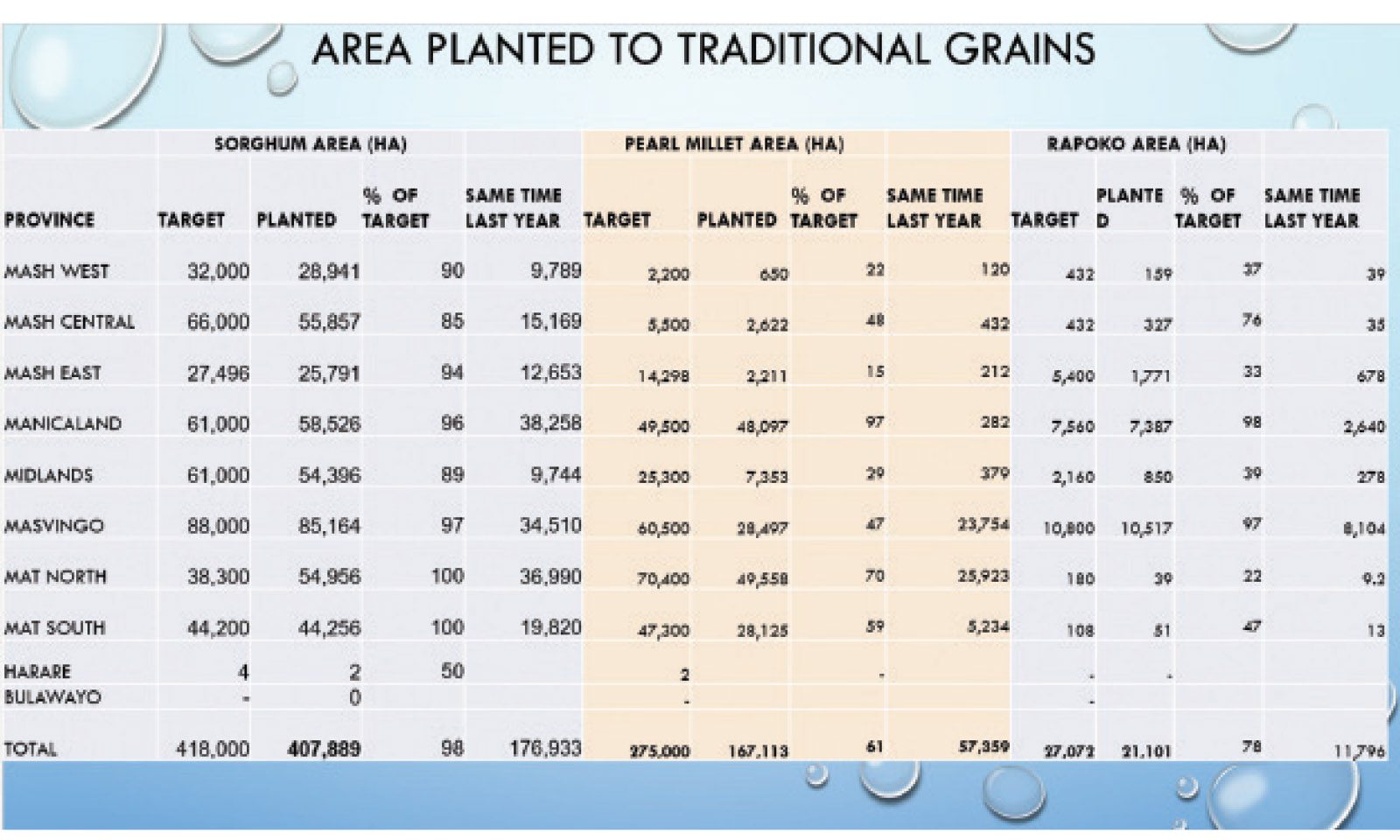
Achieford Mhondera Correspondent
Green development is now changing the competitive landscape of various businesses. Sustainability has now evolved to be a business requirement which is also pressuring the already existing businesses to move quickly or risk being left behind.
New start-ups are now faced with the challenge of balancing creativity and innovation with both socio-economic and environmental sustainability. Barely a decade ago, environmental sustainability and reducing environmental impact was merely a nice thing to have and to do for businesses.
In this decade, business leaders and innovators are faced with ever-increasing push from even customers, investors and the level of climate change and other environmental discussions such as the Kyoto Protocol and the Paris Agreement among others.
In other words, both environmental and socio-economic sustainability are now a necessity as well as a genuine and a huge business opportunity for new start-ups.
However, the problem then is that most businesses both existing and emerging are still lagging on environmental sustainability as they prioritise socio-economic sustainability.
This is perhaps because they are unaware of the boom in climate technologies and biotechnology or they are just unconcerned. In many sectors where there is potential of start-ups emerging technologies are changing the game when it comes to how existing businesses and start-ups can and should approach sustainability.
In past years sustainability was viewed as just art of perfection, later as a value driver, and currently it can be best viewed not as just tech-enabled sustainability and a business opportunity but a necessity.
This requires courage to take steps to emulate emerging threats by disrupting the still profitable operations. For new start-ups in the innovation hubs of various universities in Zimbabwe, there is need to embed environmental sustainability in the DNA of such start-ups.
This is because, the compounding environmental crises are now forcing people to learn more about climate change and its effects and as a result they are now voting green with their wallets.
Faced with this, emerging start-up companies and businesses must therefore continually analyse such consumer sentiment so that they can innovate in line with the buying habits of consumers.
More so, the price of carbon is rising while the cost of renewables is falling. This makes sustainable energy solutions increasingly competitive and in some cases even cheaper.
There is also public pressure to take decisive action to avert the climate catastrophe demands and various stakeholders need real behaviour change by companies given that it is the companies being blamed for the climate crisis. More significantly, due to the above factors capital is pouring into sustainability space and this is an opportunity for start-ups.
The question therefore is how this can be done? For start-ups, this can be drawn on some building blocks which are integral in tech-enabled sustainability as well as nature based sustainability.
Start-ups need to be genuinely driven by purpose and passion to innovate in ways which respond to climate change. In addition, such start-ups must have a deep technological understanding with the bold future aspirations of the industrial revolution they are to exist.
This can be best done by firstly, improving the operational processes without fundamentally changing some existing business models. Emerging start-ups can find ways to do some same things better and reduce their negative environmental and social impacts.
Basically, this can include using renewable energy sources and even reducing the packaging. This can be done relatively easily by adding environmental and social criteria to some quality or profit criteria, which sometimes is called eco-efficiency.
Additionally, start-ups can go for greater change by shifting the mind set from doing things better to doing new things.
This can be done by creating disruptive new products and services that serve societal needs and being of benefit to the environment.
Such step can go beyond ‘doing less harm’ and focusing on ‘doing good by doing new things’.
Start-ups can see sustainability as a business opportunity.
For example such emerging start-ups can respond to the food and energy crises being currently caused by the Russia-Ukraine war by processing baking flour from local grains such as rapoko, millet and sorghum. They can also explore possibilities of making biofuels from coffee and tea waste, making organic fertilisers out of market waste among other innovations that promote heritage based solutions and circular economy .
At a higher level, emerging start-ups can find a niche by going for the most advanced form of sustainable innovation by collaborating with others to create positive impacts on people and the planet. At this level, start-up companies can see themselves as part of an ecosystem and recognise that both environmental and socio-economic sustainability cannot be achieved by a single organisation.
They should aim to do good by doing new things with others. This involves thinking beyond the boundaries of the organisation by pulling in complementary technologies and collaborating with companies that fill gaps in specialised knowledge in both green and blue growth and development.
- Achieford Mhondera is a PhD candidate at the University of Zimbabwe and the Africa Group of Negotiators Expert Support Alumni Network. He is interested on the nexus between communication and climate governance as well as climate action strategies. He writes in his own capacity.


 Online Reporter