admin
admin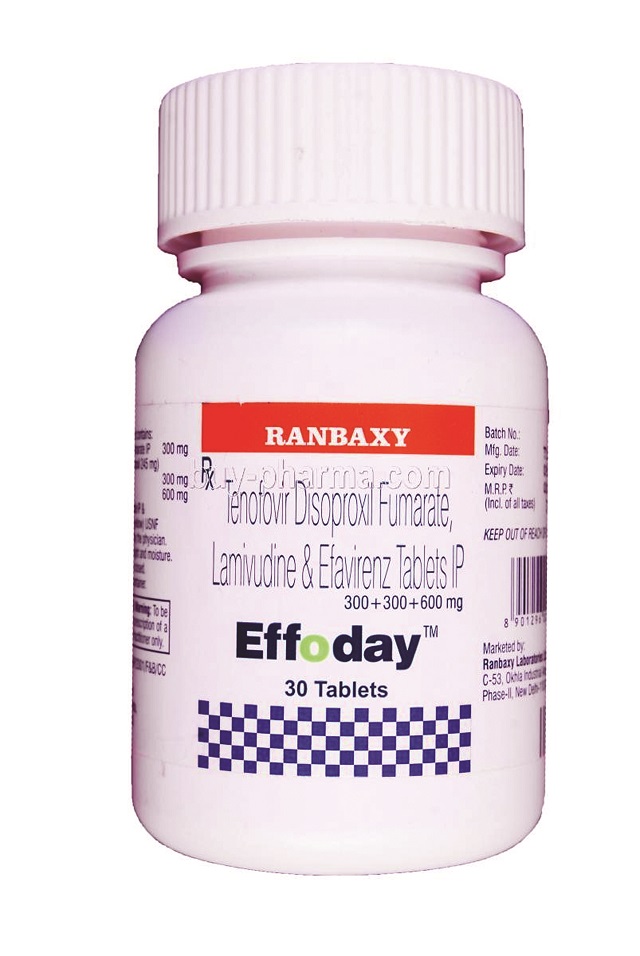

Robin Muchetu, Senior Reporter
ZIMBABWE has over the years failed to provide “updated” antiretrovirals to people living with HIV and Aids who are still using old regimens at a time when more advanced ones are now available.
Advanced ARVs, which have little side effects, are available but costly compared to old versions which have numerous side effects . There are an estimated 30 types of ARVs on the market with some over 25 years old while others were introduced less than five years ago.
An intellectual property consultant with ReAction and Aids and Right Alliance of Southern Africa (ARASA), Mr Tapiwanashe Kujinga said Zimbabwe was still using some of the oldest and earliest regimes on ARVs.
“We have older ARVs such as Zidovudine which was one of the first ARVs to be put on the market and it is still being used.
“Our first line regimen is made up of three ARVs Tenofovir, Lamivudine and Efavirenz. Nevirapine can also be used instead of Efavirenz. This is the standard first line regimen laid down by WHO, but it does not mean that it is the best,” he said.
Mr Kujinga said the only main advantage of using the “older version” of drugs was that they were cheaper and robust especially with pregnant women and people suffering from Tuberculosis.
Developed countries have moved on to incorporate newer and safer intergrase inhibitors such as Dolutergravir and Elvitegravir in first line regimens instead of Efavirenz which has some central nervous system side effects. Zimbabwe uses Raltegravir for third line, and does not have Rilpivirine which is used in some countries.
Elvitegravir, an advanced drug can be used in a co-formulation with three other drugs in a combination called Genvoya.
But according to the Deputy Director of Aids and TB Unit at the Ministry of Health and Child Care, Dr Tsitsi Apollo, the country was using drugs approved by WHO despite being old.
“The country is using ARV medicines that are currently being recommended by WHO. They are not outdated but part of possible medicines that countries can use. The current medicines we are using as a country are the same as the ones our neighbouring countries are using too,” she said.
She said WHO has added “newer” medicines to the list of possible combinations of ARVs that Zimbabwe can use as a country and they are making plans to add these medicines to the current list of options. Dr Apollo said the preferred first line ARV combination contains Tenofovir, Lamivudine and Efavirenz.
Patients who cannot tolerate Efavirenz are given Nevirapine as a substitute. Those who cannot take Tenofovir are given Zidovudine substitute. All these medicines she said, were readily available in Zimbabwe’s health institutions.
Asked on the side effects on the older regimes Dr Apollo said medicines listed in the WHO ARV Guidelines have some precautions on their potential side effects that health workers and patients need to be aware of.
“In many instances the benefits of taking treatment outweigh the risks of getting side effects. It is therefore advisable for patients to adhere to their prescribed medicines in order to avoid treatment interruptions, rebound in viral load and treatment failure. It is important for patients to report any adverse events they may experience when taking ARVs to their nearest clinic or hospital so that their treatment plan can be adjusted to minimise such unintended side effects,” she said.
Dr Apollo said the majority of patients were tolerating the medicines available in Zimbabwe well with a few exceptions.
Zimbabwe has, however, made orders for medicines that have been added to the list of approved ARV’s such as low dose Efavirenz 400 milligrams (mg) which are expected to be received in the next few months.
These medicines when available will be used for patients who cannot tolerate Efavirenz 600mg containing ARV regimens.
While the two formulations of Efavirenz 600 versus 400mg have similar levels of efficacy; the price of the 400mg Efavirenz containing ARVs, is likely to be cheaper than the standard dose in view of the lower medicine content.
The monthly cost of the standard 600mg Efavirenz containing ARVs (as a triple fixed dose) is about $7 while the lower dose 400mg Efavirenz (as a triple fixed dose) will be five percent cheaper.
Dr Apollo said the developed world has moved to use other medicines such as Dolutegravir as the preferred first line.
“We hope to include this ARV medicine within our ARV formulary as soon as they are more widely available in the market,” she added.
However, Mr Kujinga said if the country is unable to purchase the newer drugs they have to wait more years for alternative drugs.
“Alternatively, we have to wait until there are generics on the market.The best way is to develop “critical mass” approaches where we work with other countries to create demand for particular newer drugs, such as Dolutegravir, which will then result in price reductions. This strategy has been used by the Clinton Foundation with a lot of success.” said Mr Kujinga.



 Online Reporter