


 Sundaymail Editor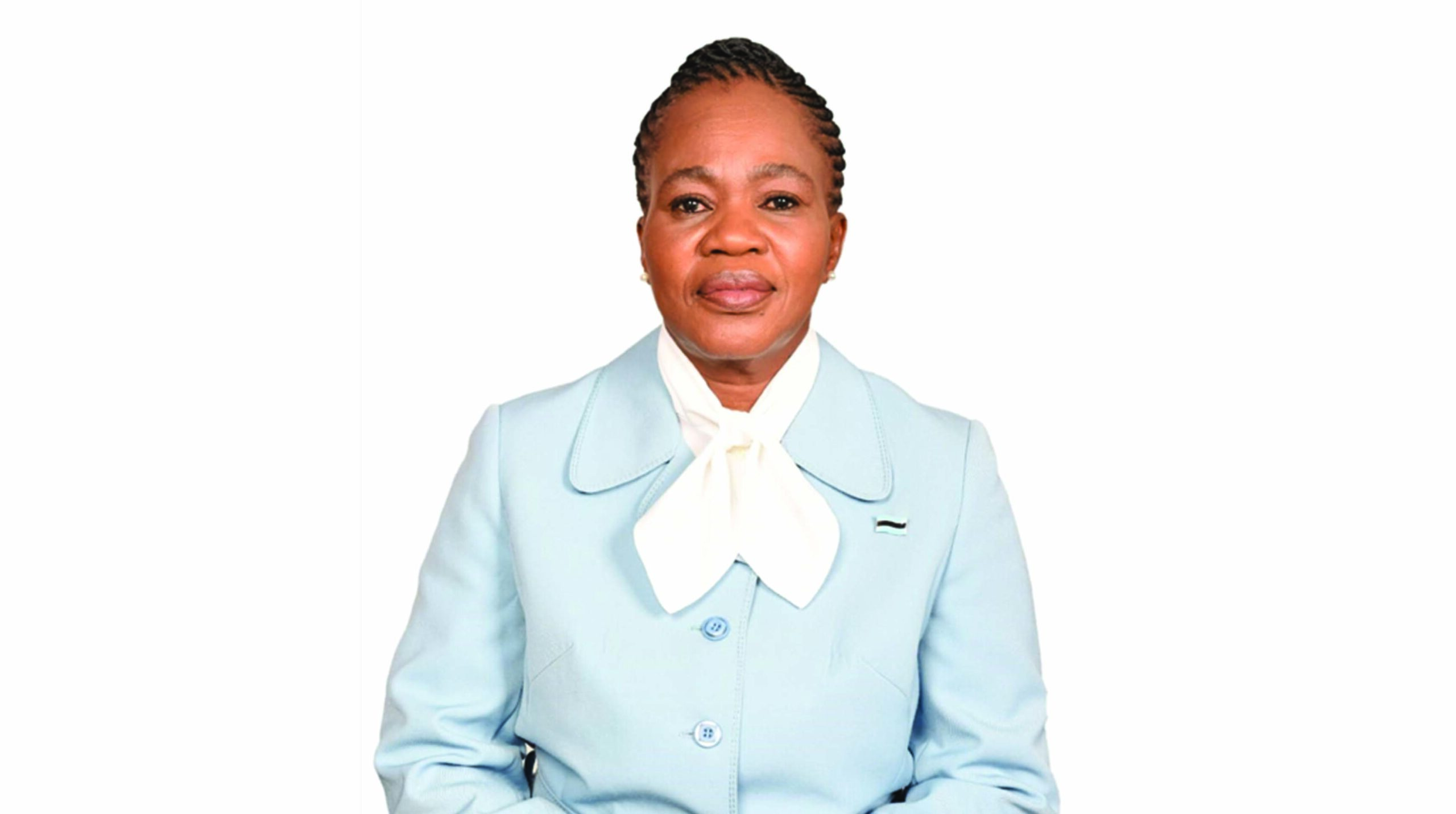
ZIMBABWE and Botswana enjoy cordial bilateral relations that were cemented by President Mokgweetsi Masisi’s recent State visit to Harare. Our Correspondent Wallace Ruzvidzo (WR) had an interview with the recently appointed Botswana Ambassador to Zimbabwe Sarah Sithabile Molosiwa (SSM) on deepening relations between the two countries.
************
WR: Kindly give us an overview of your main mission to Zimbabwe?
SSM: Botswana and Zimbabwe established diplomatic relations in 1983, three years after Zimbabwe attained independence. It is worth noting that Botswana and Zimbabwe have a lot in common in terms of close cultural, historical, as well as family ties and backgrounds. The co-operation between Botswana and Zimbabwe is warm, well-nurtured and dynamic as it engages fields like agriculture, defence, security, education, energy, the environment, tourism and health.
My purpose and mission after having been accredited as Ambassador Extraordinary and Plenipotentiary to the Republic of Zimbabwe is to uphold, promote and sustain the Republic of Botswana’s interests. As a representative of a neighbouring state which shares the longest border with Zimbabwe, I intend to ensure that our relations, which are rooted in friendliness and peaceful co-existence, leap into greater heights. This will be achieved by promoting economic and network diplomacy between our two countries for the benefit of people from the two sister republics.
WR: What is the level of trade between Zimbabwe and Botswana?
SSM: Botswana and Zimbabwe enjoy cordial trade relations. We continue to seek more vigorous policies, strategies and opportunities that would benefit the two republics both at national as well as at a peoples’ level. Both countries have signed an MOU on Double Tax Avoidance Policy Instruments to further strengthen, harmonise and smoothen trade platforms between the two states across all levels of trade at both micro (small and medium) as well as macro (high income trade) levels.
In 2020, Botswana’s net exports to Zimbabwe amounted to US$35,5 million, while during the same period, Zimbabwe exported US$38,3 million to Botswana.
This is relatively insignificant given the huge potential between the two countries.
This is why economic diplomacy remains a critical aspect of my assignment.
The embassy remains a key facilitator of collaboration between line ministries in both countries. We stand ready to support the private sector with information which will enable them to make inroads into our markets for the benefit of the beautiful people of our countries.
WR: What are the main products traded between Zimbabwe and Botswana?
SSM: The main products that Botswana exported to Zimbabwe are salt (US$8,07 million), delivery trucks (US$3,6 million) and cement (US$2,7 million). During the same period, Zimbabwe exported US$38,3 million to Botswana. The main products exported from Zimbabwe to Botswana were rolled tobacco (US$9,3 million), raw sugar (US$8,53 million) and sawn wood (US$4,9 million).
During the last 20 years, exports of Zimbabwe products to Botswana have decreased at an annualised rate of 4,1 percent, from US$88,6 million in 2000 to US$38,3 million in 2020.
This is a critical area which I endeavour to work around the clock to revitalise.
WR: During his three-day State visit, President Masisi said Zimbabwe and Botswana should collaborate in agriculture. Are there any specific areas that Botswana is keen on?
SSM: Agriculture remains the mainstay of both our economies. This is in terms of supporting livelihoods through food sufficiency, habitat and jobs; providing raw materials for food and other products; and building strong economies through trade. Zimbabwe uses a more advanced modern technology and this has enabled the country to generate enough surplus for export.
Botswana would like to benchmark on these best practices and emulate Zimbabwe by commercialising agriculture.
Botswana endeavours to improve productivity among smallholder farmers. The following are necessary: improved access to agricultural inputs, improved technologies, access to finance, linking smallholder farmers with markets, improving infrastructure and improving skills for better jobs across the agriculture value chain.
WR: How big of an endorsement to Zimbabwe’s tourism sector was President Masisi’s visit to the Eastern Highlands?
SSM: Zimbabwe is a beautiful country endowed with a rich history and picturesque landscapes. Tourism is also the third largest contributor to the GDP following mining and agriculture.
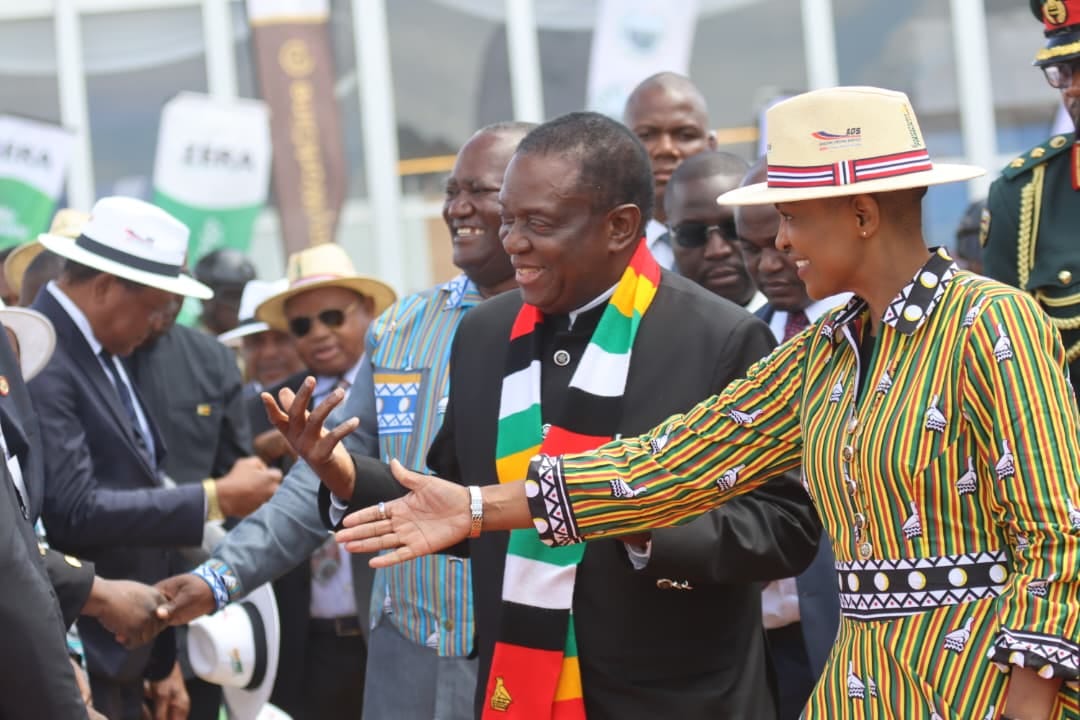
The visit to the Eastern Highlands by President Masisi made him the first foreign Head of State in this millennium to visit the area where he got to enjoy the spectacular vista on the escarpment of the Nyanga Downs plateau, among other features. It was a major boost and promotional factor to the Zimbabwean tourism. As you may be aware, a lot of people only think of Victoria Falls in terms of tourism in Zimbabwe, but will now be aware of another gem in the Eastern Highlands.
WR: What new areas of joint co-operation do you intend to pursue in Zimbabwe?
SSM: During my tenure as Ambassador, I endeavour to exert all my efforts to further expand and deepen good neighbourliness, friendship and mutually beneficial co-operation between our two countries, enhance the mutual understanding and friendship between the governments and peoples, and bring Botswana-Zimbabwe relations to a new high. This is in addition to opening up space in the area of economic co-operation, particularly in trade and investment.
WR: Zimbabwe has been under sanctions for over two decades, what are your thoughts on the punitive measures?
SSM: As alluded to by President Masisi, who on several occasions has advocated the total removal of sanctions against Zimbabwe, these unjustified sanctions continue to frustrate development efforts of the Government of Zimbabwe towards economic freedom for the people of the Republic of Zimbabwe and the entire region.
I also endeavour to join the SADC crusade in calling for the removal of sanctions against Zimbabwe. A strong Zimbabwean economy will strengthen SADC and make it a formidable economic bloc.
WR: President Mnangagwa has been saying Zimbabwe is open for business, how is Botswana responding to this?
SSM: Botswana is responding positively to President Mnangagwa’s call for doing business with Zimbabwe. Remember, we are sister republics and there is no better way than trading with each other. For example, during this year’s Zimbabwe International Trade Fair (ZITF) in Bulawayo, we managed to bring about nine companies from Botswana to exhibit.
These companies were drawn from a variety of fields, including manufacture, farming, fertiliser production and information technology.
Moreover, at the recent Zimbabwe Agricultural Show which President Masisi officiated, Botswana was duly represented by our able investment promotion agency, Botswana Investment and Trade Centre.
I want to confess to you that we have learnt a lot from ZITF and the (Zimbabwe Agricultural) Show and we endeavour not only to make our participation permanent, but also to bring about even a bigger contingent of our businesspeople.
WR: Zimbabwe and Botswana have signed 25 MOUs since the first session of the BNC, with 18 outstanding out of the 43 the two countries came up with. When do you expect progress on the remaining deals?
SSM: I want to assure you that it is in the interest of both our countries to ensure that the remaining instruments of co-operation are not only speedily completed, but also operationalised. As you may be aware, it is through these MoUs that our countries agree on a common course of action for the overall betterment of the lives of our people. Very soon, some time in November, the two countries will meet at senior official level to review progress made in the implementation of agreed co-operation agreements as well as to strategise on finalising remaining instruments of co-operation.
WR: Any last words?
SSM: Zimbabwe has never been a strange place to me. This is mainly because many Batswana have family ties and or relatives in Zimbabwe, and I am not an exception.
I am happy to have come to Zimbabwe and found that indeed the Government has the interest of people’s livelihoods at the top of its developmental agenda. Botswana and Zimbabwe share a long history of bilateral relations which pre-dates the independence period. It is a well-known fact that Zimbabwe has a legitimate Government running the affairs of the country. It is also in the public domain that since the advent of the Second Republic, the leadership of the country has been drumming up support for economic recovery under the mantra “Zimbabwe is open for business”. This is very crucial for not only Zimbabwe, but for the sub-region as well.


 Bongani Ndlovu
 Online Reporter