
Victor Maphosa
Mashonaland East Bureau
THE country is intensifying efforts to improve livestock genetics and build a climate-resilient national herd as it targets at least six million cattle by 2030.
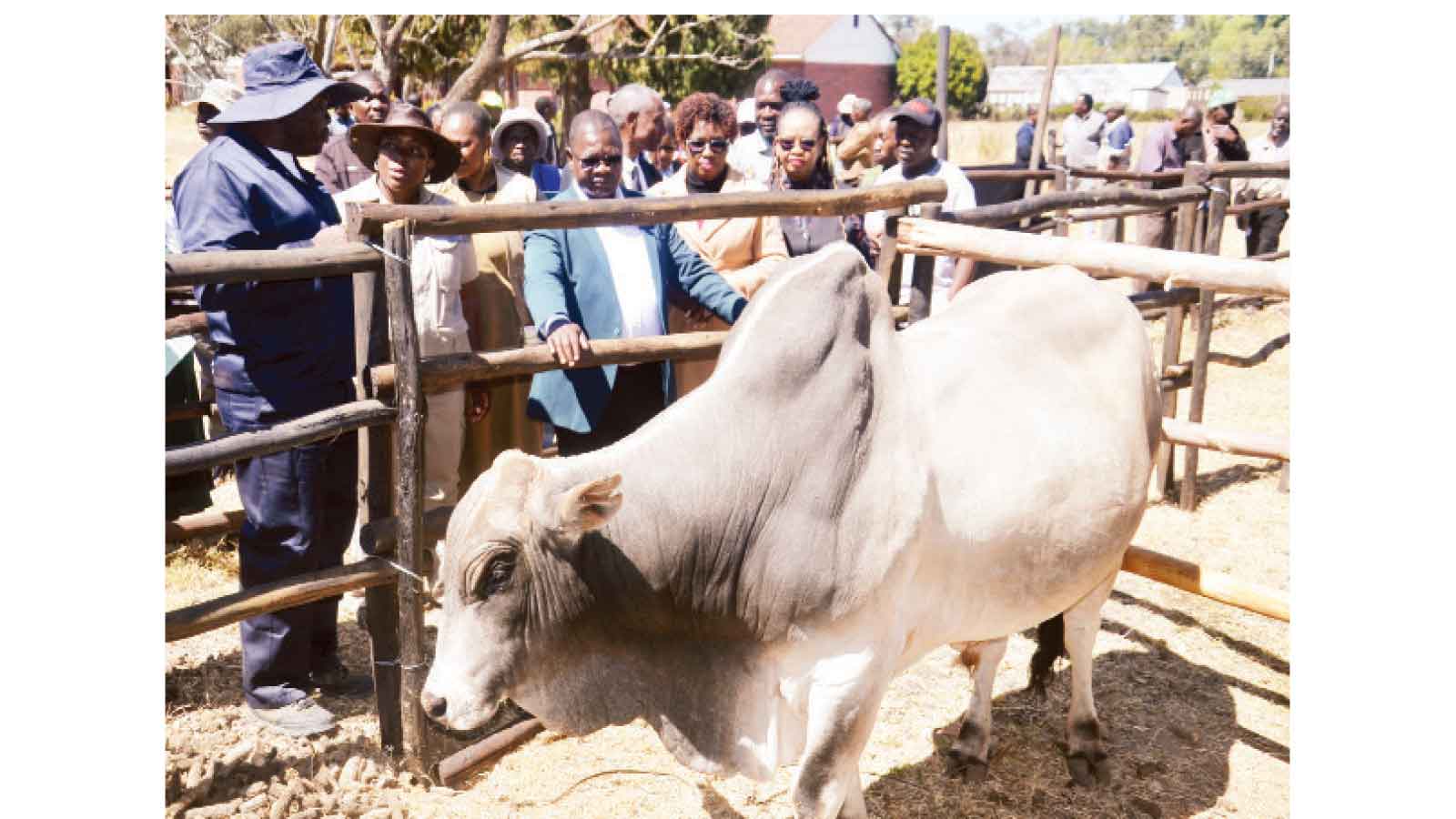
Presently, Zimbabwe has about 5,7 million cattle, with Government prioritising indigenous and adaptable breeds such as Mashona, Tuli, Boran and Nguni to improve productivity and resilience in the face of climate change.
Speaking at a livestock genetics workshop at the Grasslands Research Institute in Marondera yesterday, Agriculture, Mechanisation and Water Resources Development Permanent Secretary Professor Obert Jiri said improving genetics was critical to modernising the livestock sector.
“As we modernise our agriculture, we must, of course, look at the livestock industry as well,” he said.
“We know our challenges in Zimbabwe in terms of livestock.
“First is the feed, second is the health and the third, of course, is the genetics. In the countryside, our livestock looks smaller.
“That is because of years of inbreeding. That is what we must correct.”
Prof Jiri said the country already possesses valuable genetic resources that were well adapted to local conditions.
“What we are showcasing here is the breeds that are appropriate for Zimbabwe and our message is that we do have good genetics here in Zimbabwe.
“We must select elite genetics from those that are already adapted to our conditions. We still have good genetics of our herd, popularly known as the Hard Mashona and we must ensure that our herd is improved, in the rural areas.
“We do have the Boran, Thuli and Nguni breeds which are adaptable as well in Zimbabwe and we must ensure that we mainstream these to our livestock in the rural areas,” he said.
Government wants rural farmers to benefit from improved genetics through wider dissemination of superior breeds and breeding material.
Prof Jiri said the country was steadily moving towards its herd growth target.
“If we can surpass that, combined with good frame and quality, that will be good. We are moving steadily towards our six million mark.
“Remember also that we are moving into greater challenges in terms of climate change so we must look for varieties and breeds that are resilient to our situation,” he said.
Zimbabwe Herd Book chairperson and Tuli breeder Ms Anne Cooke said climate change had reinforced the need for farmers to adopt cattle breeds suited to local conditions.
“They are much more tolerant of disease. They cope better, they grow faster and they produce more calves, and that means more money for me. “At the end of the day, that is why we are farmers, we want to make money,” she said.