Walter Nyamukondiwa
Mashonaland West Bureau Chief
THE Government has called on Zimbabweans to honour the legacy of liberation fighters by defending the country’s hard-won independence, rejecting drug and substance abuse, and contributing to national development.
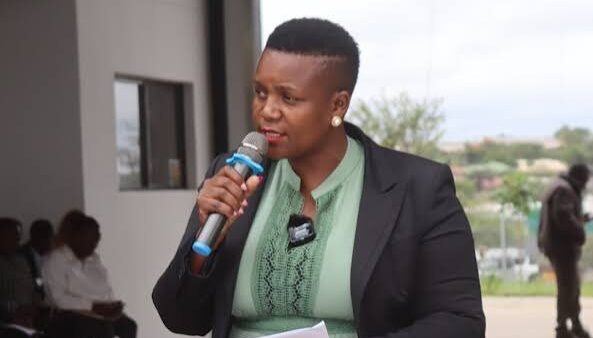
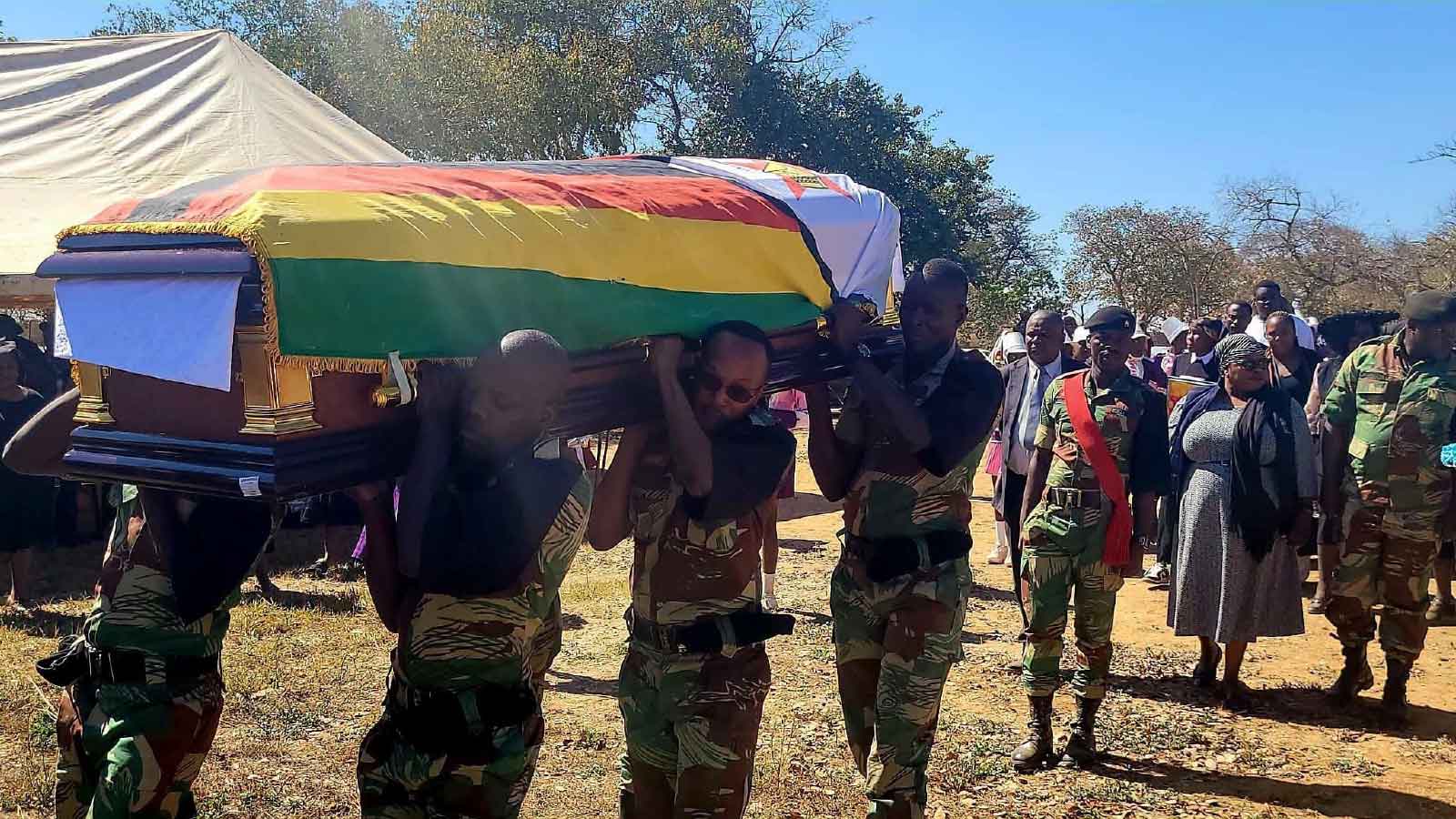
Speaking at the burial of liberation hero Cde Kutadzaushe Tatayi on Saturday, Mashonaland West Provincial Affairs and Devolution Minister Marian Chombo said President Mnangagwa had bestowed liberation hero status on the veteran nationalist in recognition of his contribution to Zimbabwe’s independence.
Minister Chombo conveyed condolences to the Tatayi family and the people of Mashonaland West following the liberation stalwart’s death on June 22 at the age of 80.
She described Cde Tatayi as a fearless nationalist whose commitment to the liberation struggle saw him endure repeated arrests, detention, torture and intimidation at the hands of the Rhodesian regime.
“Cde Tatayi dedicated his life to the liberation of Zimbabwe and remained loyal to the ideals of the liberation struggle throughout his life,” she said.
“Although he is no longer with us physically, his works and sacrifice will forever remain in our hearts.”
Minister Chombo chronicled the late nationalist’s political journey, which began at the age of 15 when he joined the National Democratic Party Youth Wing before becoming active in ZAPU and later the African National Congress during the nationalist movement’s formative years.
She said Cde Tatayi was first arrested in 1965 after participating in acts of sabotage against colonial infrastructure and was again detained after relocating to Chinhoyi in 1966 because of his political activism.
His role in recruiting and facilitating the movement of youths for military training in Zambia in 1970 resulted in further imprisonment and torture by the Rhodesian Special Branch.
Between 1975 and 1979, Cde Tatayi used his private vehicle to transport liberation fighters to various destinations, exposing himself to constant arrests, beatings and harassment by the colonial authorities.
He was also arrested during the ceasefire period and threatened with death before Zimbabwe attained independence in 1980.
After independence, Cde Tatayi continued serving his community as chairman of the Chinhoyi Residents Association, became the inaugural chairperson of the Nemakonde High School Parents and Teachers Association, and later served as provincial chairman of the Zimbabwe Political Prisoners, Ex-Detainees and Restrictees Association before retiring from active politics because of ill health.
Minister Chombo said Zimbabwe’s freedom was won through the sacrifice, courage and blood of men and women like Cde Tatayi, urging citizens to protect that legacy.
“Independence did not come on a silver platter. It was achieved through the dedication and sacrifice of heroes and heroines who left their families to fight for the freedom we enjoy today,” she said.
She challenged Zimbabweans, particularly young people, to confront drug and substance abuse, describing it as one of the country’s biggest threats.
“The battle before us today is against drugs and substance abuse, which are destroying families, robbing young people of opportunities and undermining the nation’s future. Let us honour our heroes by making the right choices, working hard and building our country,” she said.
Echoing President Mnangagwa’s mantra that “a country is built by its own people”, Minister Chombo urged citizens to preserve the values of patriotism, discipline and hard work exemplified by liberation fighters. Cde Tatayi is survived by five children and 14 grandchildren.