Online Reporter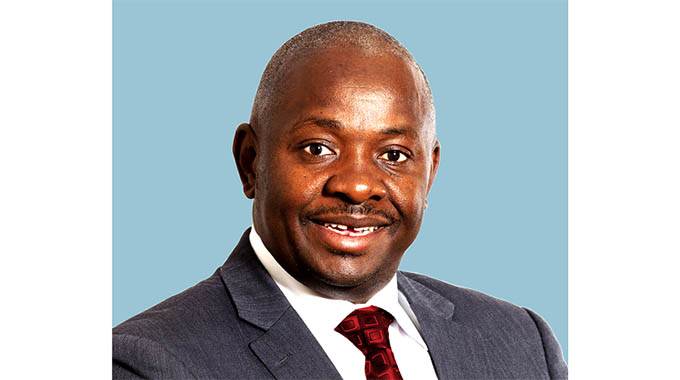
Africa Moyo
Deputy National Editor
ZIMBABWE has invited Spanish investors to take up lucrative opportunities in agriculture, mining, tourism and energy sectors, not as extractors but as partners building industries in the country.
The call was made by Permanent Secretary for Industry and Commerce, Dr Thomas Utete Wushe, yesterday in his remarks at the Africa-Spain Summit 2025 — Ministerial Roundtable in Madrid.
He said the crucial sectors include agriculture, where value addition can turn crops into premium products and in renewable energy, where Spanish expertise “can help electrify Africa sustainably”.
“In Zimbabwe, we have more than 94 critical minerals that are ready for beneficiation and value addition (and) the digital economy, where innovation can leapfrog old barriers,” he said.
“These are the foundations of a true partnership, one where trade is balanced, benefits are shared, and growth is sustainable.”
Dr Wushe said Africa is no longer content with crumbs from the global table, but is keen to craft its destiny, leveraging its resources.
“Zimbabwe’s vision is simple: A prosperous and empowered upper-middle society by 2030. Therefore, we need a future where trade with Europe empowers our industries, where investment builds our capacity, and where sustainability is a shared mission, not a burden placed only on the Global South.
“Spain should therefore embrace a partnership of equals,” he said.
The African Continental Free Trade Area (AfCFTA), the largest free trade area in the world by the number of participating countries, encompassing 1,3 billion people with a combined Gross Domestic Product of US$3,4 trillion, is expected to transform not only Zimbabwe’s fortunes, but the continent at large.
Dr Wushe said the AfCFTA is more than an agreement.
“It is a revolution in how Africa trades with itself and the world. For Zimbabwe, this means breaking free from the legacy of exporting raw materials only to import finished goods at higher costs.
“We seek to add value to our tobacco, our lithium, our cotton, and our minerals before they leave the country. But for this vision to succeed, our partnerships with Europe, including Spain, must evolve.
“We cannot allow frameworks like the Multi-Africa Continental Framework (MACF) to undermine the AfCFTA’s promise. Instead, we must harmonise them in ways that open markets for African manufactured goods, not just our raw resources,” he said.
Dr Wushe said Zimbabwe refuses to accept the false choice between development and sustainability, adding that the country is investing in green energy, solar, hydro and wind, to power its factories and mines.
The country is also adopting cleaner technologies in agriculture and mining, but believes it can do more with cash-rich partners.
Dr Wushe said if Europe truly supports Africa’s green transition, it must move beyond rhetoric and deliver on technology transfer, climate financing, and fair investment terms.
“The question is not whether Africa can industrialise sustainably, but whether Europe will be a true partner in making it happen.
“The old models of cooperation, where Africa borrows at high costs, exports raw materials, and remains trapped in debt, must end. We need bold, new approaches.
“Blended finance that combines public and private investment; Special Economic Zones where Spanish and African firms co-produce high-value goods (and) debt relief tied to green projects, not austerity,” said Dr Wushe.