admin
admin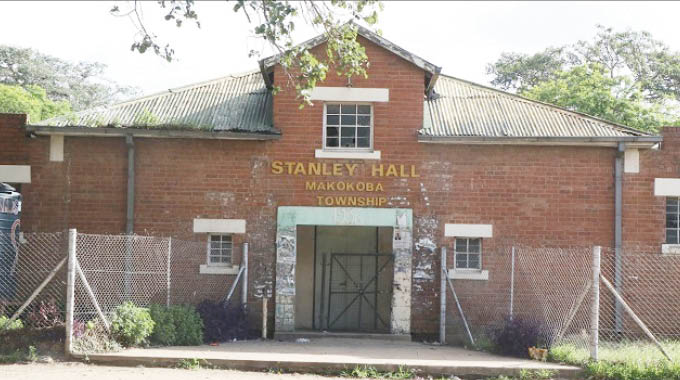
Gibson Mhaka
TO outsiders, perhaps, Makokoba is just Bulawayo’s oldest township and the first African suburb in the city.
Despite being a stark example of the harsh realities of township life, Makokoba also holds a special place in the nation’s fight for liberation.
During the colonial era, Makokoba was a political hotbed. Historical landmarks like Stanley Hall and Square, now social activity facilities, were once used for political gatherings.
Despite being a historic township with a vibrant community, crime in Makokoba has been a concern for residents and authorities. However, there are some positive developments to report.
Makokoba boasts several significant cultural landmarks and historical monuments. These include the Amakhosi Cultural Centre, the MaKhumalo Beer Garden (Big Bhawa), and Stanley Hall and Square. This iconic venue was revered by Zimbabwean nationalists like the late Vice-Presidents Joshua Nkomo, Joseph Msika, and John Nkomo, along with many other prominent politicians.
Stanley Hall and Square were declared as national monuments in 2017 through a statutory instrument issued by the Rural Development, Promotion and Preservation of National Culture and Heritage Ministry.
The suburb is also home to early nationalism where nationalists like Joshua Mqabuko Nkomo, Zimbabwe People’s Revolutionary Army (ZPRA) commanders such as Cde Jason Ziyaphapha Moyo, Ackim Ndlovu and Dumiso Dabengwa among others used the suburb as a political springboard from where they mobilised masses to join the liberation struggle.
It is clear that Makokoba is a fascinating and vital part of Bulawayo’s history and culture. Its vibrant community, rich cultural heritage, and lower cost of living make it an increasingly popular choice for residents.
The suburb is well-known for producing great football players like the Ndlovu brothers, Adam, Peter and Madinda. The late Zimbabwean music legend Dorothy Masuka, grand daddies of jazz music, the Cool Crooners and Lovemore Majaivana are all products of this great suburb.
Prominent historian Pathisa Nyathi is on record saying Makokoba was significant in many ways. He said it was a revered site for political struggle in Zimbabwe.
As the nation celebrates its 44th Independence anniversary on 18th April, it’s important to remember Makokoba as an essential part of Zimbabwe’s national identity.
Despite high unemployment rates, particularly among young people, and social issues like crime, drug abuse, and inadequate housing, Makokoba remains a resilient and dynamic community that continues to evolve and grow.
This historic township continues to thrive as a hub of creativity and innovation. Makokoba stands as a testament to the indomitable spirit of its people and their unwavering resistance against colonialists.



 Online Reporter