Online Reporter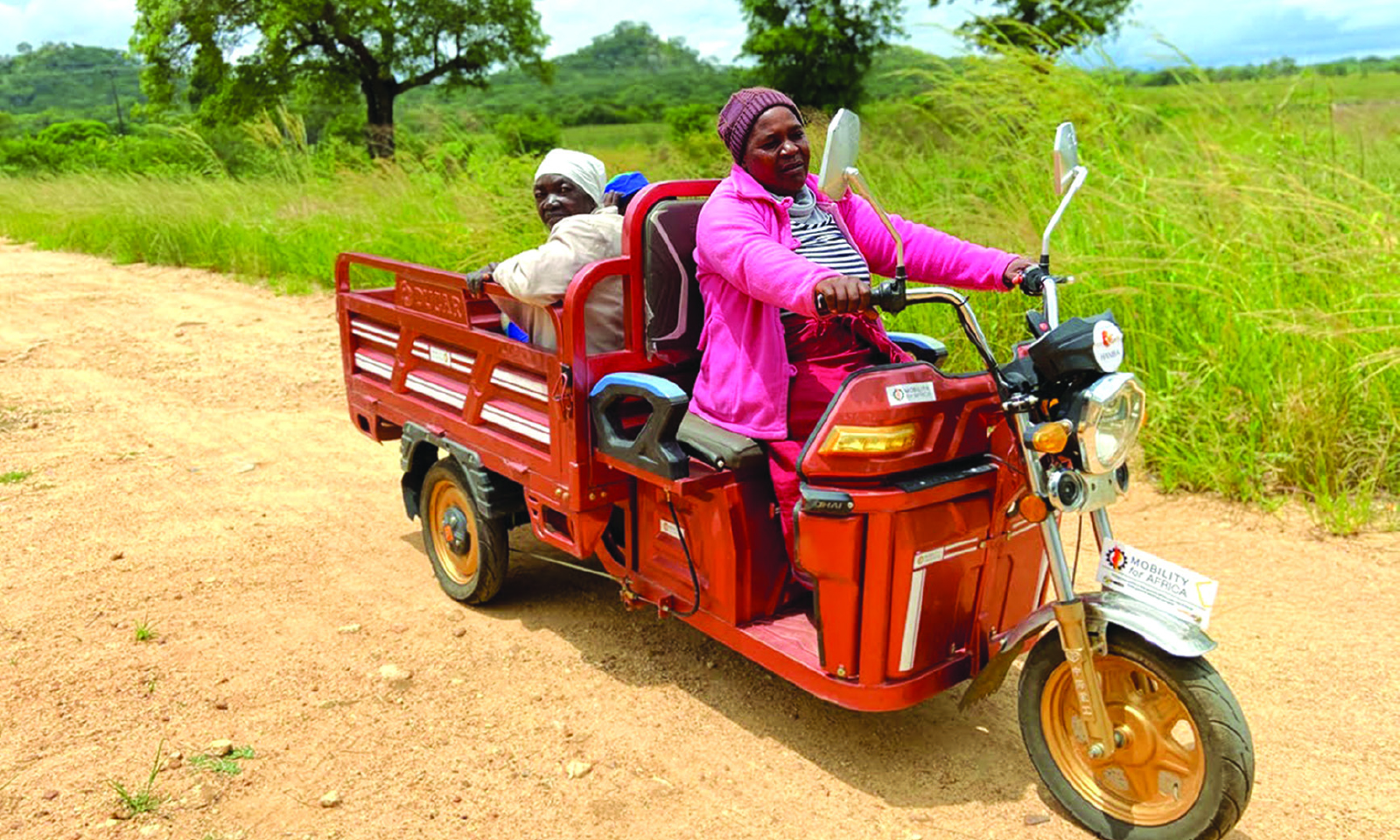
Marilyn Mutize
As Zimbabwe marks its 45th Independence Day on April 18, the nation stands at a pivotal transformation.
This anniversary not only commemorates the hard-fought liberation from colonial rule but also serves as a testament to the nation’s resilience and an opportunity to envision a future brimming with promise.
Central to this optimistic outlook are the strides in economic revitalisation and the burgeoning role of the youth in shaping Zimbabwe’s destiny.
Zimbabwe’s economic landscape has undergone a significant transformation in recent years. After enduring challenges the nation is poised for a substantial rebound. Finance Minister Mthuli Ncube projects 6 percent economic growth in 2025, a notable increase from the 2 percent growth experienced in the previous year. This optimistic forecast is underpinned by anticipated improvements in agricultural output and power generation, signalling a departure from past adversities.
The agricultural sector, often regarded as the backbone of Zimbabwe’s economy, is set to expand by 12,8 percent in 2025, recovering from a 15 percent contraction. This resurgence is attributed to favourable climatic conditions, strategic interventions aimed at enhancing productivity, and the adoption of modern farming techniques. Government initiatives, such as the Presidential Input Scheme, have provided farmers with essential resources, including seeds and fertilizers, fostering increased yields and food security.
Similarly, the mining industry is expected to grow by 5,6 percent, bolstered by stabilised global commodity prices and increased investment. Zimbabwe is endowed with vast mineral resources, including gold, platinum, and diamonds.
Efforts to formalise artisanal mining and attract foreign direct investment have revitalised this sector, contributing significantly to export earnings and employment creation.
Central to Zimbabwe’s forward momentum is the empowerment of its youth, who constitute a significant portion of the population. Recognising this demographic dividend, the Government has embarked on initiatives to amplify youth participation in decision-making processes. The ambitious goal is to elevate youth involvement from 3,3 percent in 2020 to 25 percent by 2030, reflecting a commitment to inclusive governance.
In alignment with this vision, the Zimbabwe Digital Skills Development Programme was launched, aiming to equip 1,5 million young Zimbabweans with essential digital competencies. President Mnangagwa emphasized the transformative potential of this initiative, stating, “In this digital age, you must be equipped with the necessary skills to navigate the complex global ecosystem.” This program not only addresses the skills gap but also fosters a culture of innovation and entrepreneurship among the youth.
Furthermore, the establishment of innovation hubs and tech incubators across the country has provided young entrepreneurs with platforms to develop and commercialize their ideas. Initiatives such as the Zimbabwe Innovation Fund offer financial support to startups, encouraging the youth to venture into technology-driven enterprises. Success stories abound, with young Zimbabweans developing applications in fintech, agritech, and healthtech, addressing local challenges with home-grown solutions.
The integration of technology into various facets of society has been a focal point for Zimbabwe. The visit of Sophia, the renowned humanoid robot, to the country’s innovation fair underscored the growing interest in artificial intelligence (AI) and its applications. Sophia’s interactions with government officials, academics, and students sparked conversations on the role of AI in addressing societal challenges and inspired many young Zimbabweans to explore careers in STEM (Science, Technology, Engineering, and Mathematics) fields.
To bridge the digital divide, the government has prioritised the expansion of ICT infrastructure, particularly in rural areas. The deployment of mobile broadband services and the establishment of community information centres have enhanced internet accessibility, enabling more citizens to participate in the digital economy. Educational institutions have also integrated ICT into their curricula, preparing students for the demands of the modern workforce.
In the rural landscapes of Wedza, a quiet revolution is unfolding. Women are embracing electric tricycles, not just as a means of transportation, but as vehicles of economic empowerment.
Through a lease-to-purchase programme initiated by Mobility for Africa, these women have gained financial independence and elevated their status within their communities. Anna Bhobho, a beneficiary of the programme, remarked on the new-found respect and prosperity these tricycles have brought into their lives.
This initiative exemplifies the broader trend of women’s increasing participation in the economy. Microfinance institutions have tailored products to support female entrepreneurs, recognizing their pivotal role in community development. From agribusiness ventures to craft enterprises, women across Zimbabwe are leveraging these opportunities to improve their livelihoods and contribute to the nation’s economic growth.
Investing in education and skills development is paramount for Zimbabwe’s sustainable development. The Government has implemented policies to improve access to quality education, resulting in increased enrolment rates at primary and secondary levels. Emphasis has also been placed on vocational training, equipping students with practical skills relevant to the job market.
Higher education institutions have forged partnerships with industry players to ensure that curricula align with current economic needs. Programmes focusing on entrepreneurship, innovation, and technology have been introduced, encouraging students to think critically and develop solutions to real-world problems. Scholarship opportunities have also been expanded, enabling talented students from disadvantaged backgrounds to pursue higher education.
While these developments paint an optimistic picture, challenges persist.