Chronicle Editor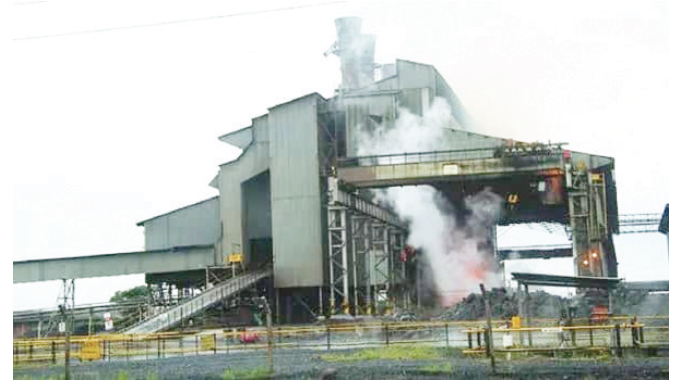
Michael Magoronga, [email protected]
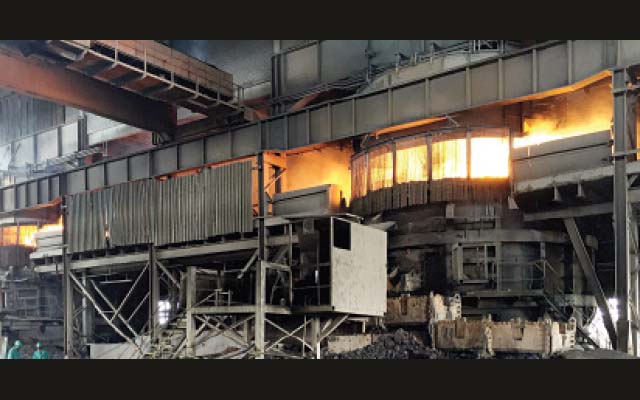
More than 200 former employees of Zimasco, a ferrochrome-producing company based in Kwekwe, have lodged a legal challenge against their dismissal, arguing the retrenchment process was conducted unfairly and unlawfully.
The workers, who were retrenched in May as part of Zimasco’s restructuring efforts, claim the company did not follow proper procedures as required by law.
A total of 208 employees were affected by the retrenchment.
In a letter dated April 30, 2024, the employees were informed not to report to work after May 3.
“Your last working day, under the current short-time working arrangement, will be 31 May 2024,” the letter from Zimasco’s general manager (smelting), Mr Pindukai Musarandega, read.
The workers, represented by Matika, Gwisai, and Partners Legal Practitioners, argue the company violated the Labour Act by failing to adhere to the correct retrenchment process.
“The termination of the complainants’ contracts of employment is in contravention of Section 12 (4a) of the Labour Act in so far as it was not by mutual agreement or in terms of an employment code or lawful retrenchment. The retrenchment amounts to unfair dismissal in contravention of Section 12b (1) of the Labour Act,” read part of the letter.
The letter further alleged that Zimasco did not give the employees time to proffer proposals or discussions on the reasons and necessity for the retrenchments.
“The retrenchment did not comply with Section 12C (3) of the Labour Act, as there was no agreed retrenchment package, nor was the employer’s package better than the prescribed minimum.”
The employees are seeking reinstatement without loss of salary or benefits, or damages in lieu of reinstatement if the latter is no longer feasible.
In response, Zimasco defended its actions, stating the retrenchment was conducted lawfully.
“The contracts were terminated by way of lawful retrenchment as required. The claimants are conflating the processes relating to termination of employment with the process of ascertaining the retrenchment package.”
Zimasco further argued the lack of consultation on measures to avoid retrenchment, as alleged by the workers, did not nullify the retrenchment process.
“It follows therefore that lack of consultation under Section 25(a) and (6) does not result in a nullity. At best, employees can use these provisions to stop an intended retrenchment. Once the contracts have been terminated, as has been achieved in casu, the violation of Section 25A (5) will not render the termination as a nullity.”
The matter is now set to be resolved through arbitration.


 Online Reporter