Online Reporter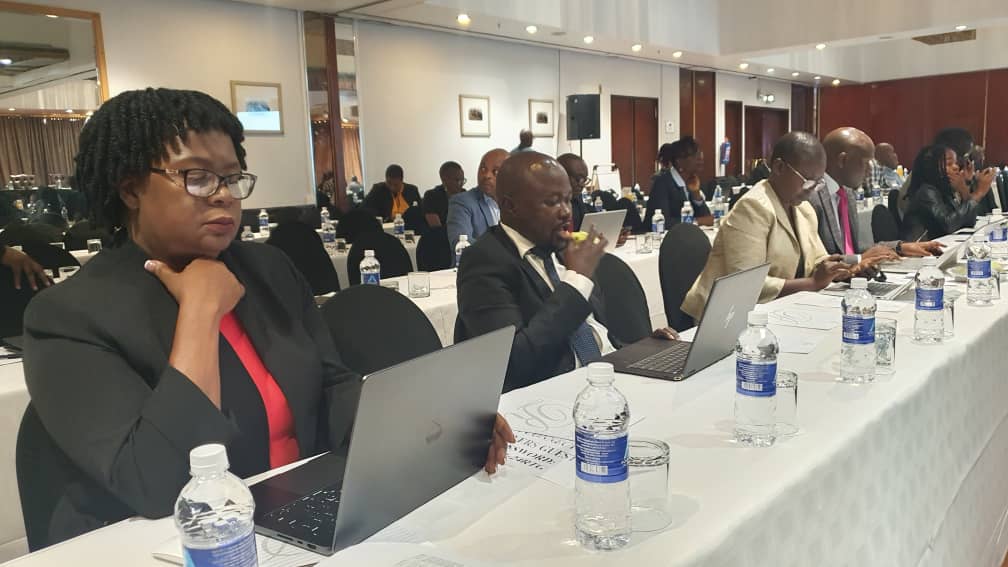
Government, in collaboration with the African Development Bank (AfDB), has taken a bold step towards strengthening climate resilience in State enterprises and parastatals (SEPs).
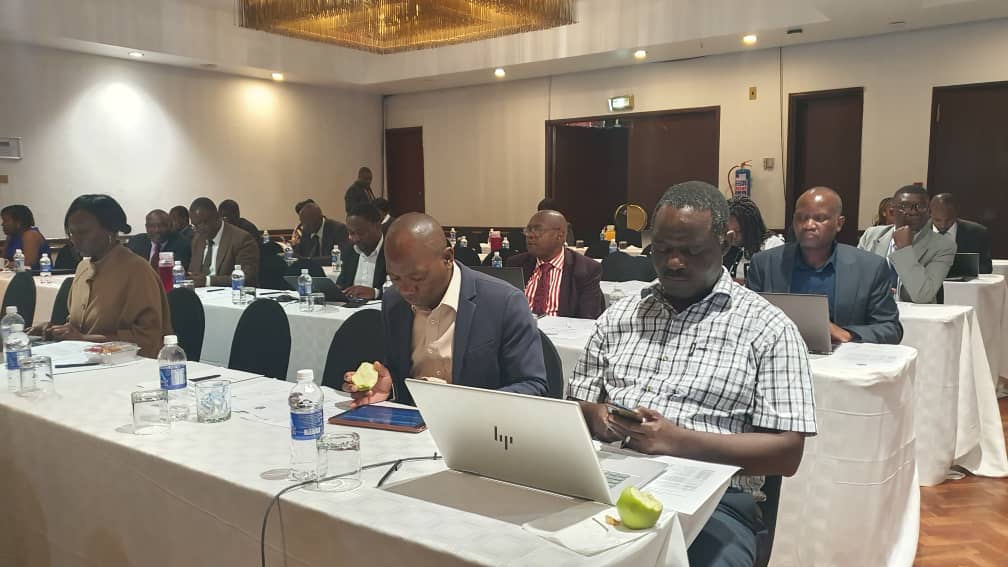
Zimbabwe is hosting the Development of Climate Change Resilience Guidelines for State enterprises and parastatals workshop at a Harare hotel.
Our Reporters Ivan Zhakata and Anesu January will walk us through the day’s events as they happen.
Stay tuned!
‘State enterprises and parastatals key in mitigating climate change’
Mr Onesimo Musi, executive director of the State Enterprises Restructuring Agency (SERA) said the role of SEPs is critical in Zimbabwe’s economic transformation and mitigating climate change.
“State enterprises and parastatals operate in sectors that are highly sensitive to climate change, including energy, mining, manufacturing, agriculture and transport,” he said.
“This makes it imperative for them to adopt sustainable practices that align with national and global climate goals.”
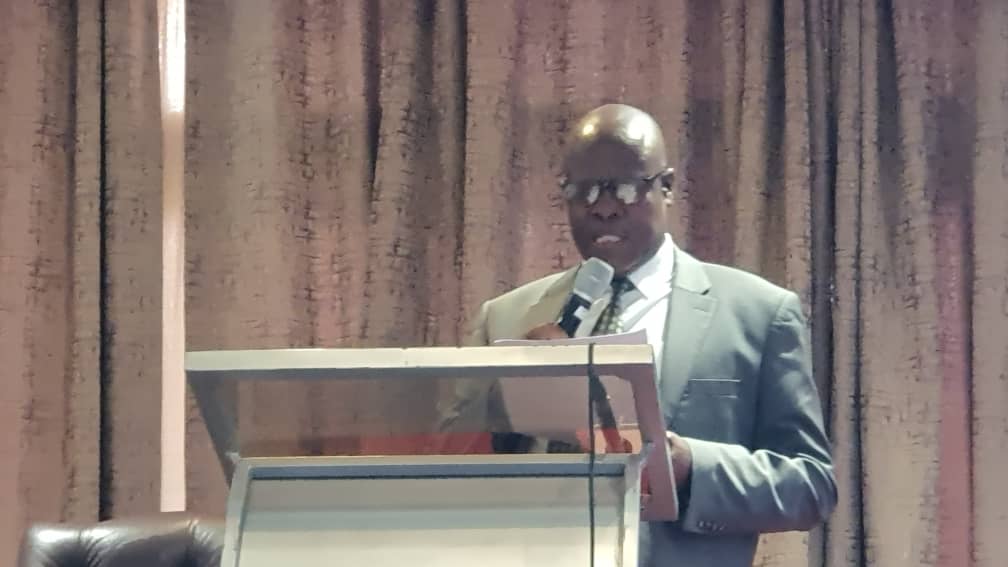
Mr Musi said while State enterprises hold significant economic influence, they must also act as powerful policy tools for the Government to implement effective climate reforms.
He said the effects of climate change, coupled with the economic challenges posed by the Covid-19 pandemic, have necessitated urgent reforms to build resilience within State-owned entities.
“This workshop is a crucial platform for dialogue, knowledge sharing and collaboration. It is through such engagements that we can refine these guidelines to ensure they drive effectiveness, efficiency, and sustainability in our climate response efforts,” Mr Musi said.
Zim moves to climate-proof State enterprises
Government has taken a bold step to integrate climate resilience into State enterprises and parastatals, recognising their critical role in national economic development.
Speaking at the workshop, Dr Washington Zhakata, director for the Department of Climate Change Management in the Ministry of Environment, Climate and Wildlife said there is need to climate-proof public institutions.
Dr Zhakata was speaking on behalf of the Permanent Secretary, Ambassador Tadeous Chifamba.
“This meeting comes at the most opportune time as Zimbabwe recently launched its National Climate Change Adaptation Plan,” he said.
“Our goal is to strategically position the country to unlock much-needed climate finance.”
Dr Zhakata said there was an increasing occurrence of extreme weather events such as droughts and floods that are impacting key economic sectors, including agriculture, water, health, infrastructure and tourism.
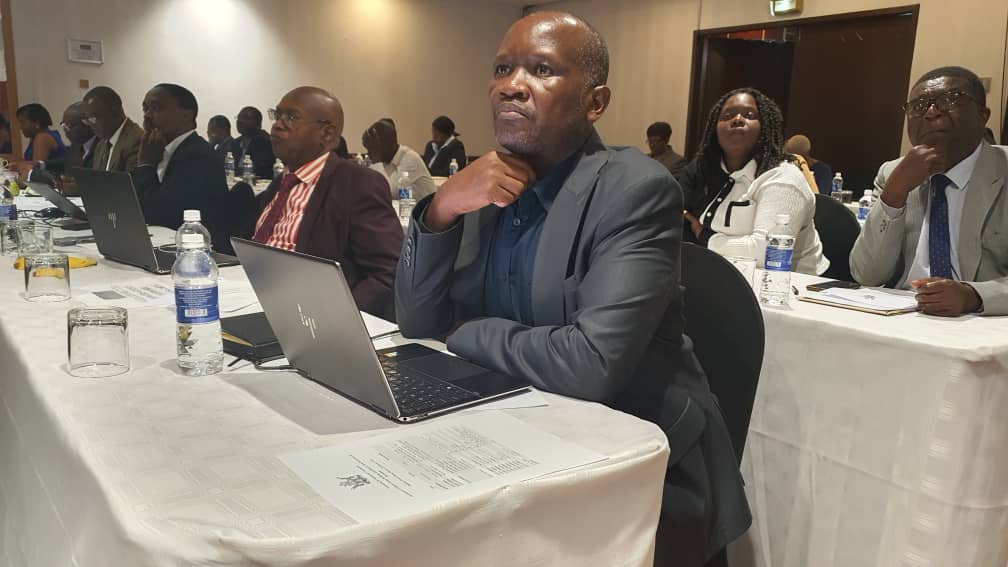
“State enterprises play a significant role in Zimbabwe’s development, but many—especially those in agriculture and hydropower generation—are directly affected by climate change. If left unaddressed, this could affect their profitability and, ultimately, the broader economy,” he said.
Government aims to ensure that State-owned enterprises integrate climate risk management into their operations to safeguard national development.
“Climate-proofing these institutions will have a positive impact on the general population, especially considering the large number of citizens who depend on them,” Dr Zhakata said.
He also said failing to adopt climate-conscious policies could have financial repercussions.
“Enterprises that do not make efforts to reduce their carbon footprint risk losing access to international finance from development banks and global climate funds.”
Dr Zhakata said global trends such as the introduction of carbon taxes on products made using fossil fuels indicate how markets are shifting towards climate-conscious trade policies.
“For instance, a tax on goods produced using coal will make fossil fuel-dependent industries less competitive internationally,” he said.
Mitigating effects of climate change
Deputy Chief Secretary in the Office of the President and Cabinet, Mr Zvinechimwe Churu said State entities are crucial in mitigating the effects of climate change.
“This workshop demonstrates the Government’s commitment to inclusive engagement and participation in policy development initiatives,” Mr Churu said.
“Together, we can foster a sustainable development agenda focused on reducing greenhouse gas emissions and enhancing climate resilience strategies.”
Mr Churu acknowledged the African Development Bank (AfDB)’s role in providing technical assistance, particularly in developing climate resilience guidelines tailored for Zimbabwe’s enterprises.
“The support we have received has been instrumental in shaping a comprehensive framework to address the impact of climate change,” he said.
Zimbabwe has taken significant steps in this regard, with policies such as the:
National Climate Change Response Strategy
National Climate Policy of 2017
National Adaptation Plan of 2024
The frameworks align with the United Nations Framework Convention on Climate Change (UNFCCC) and the Paris Agreement, which seeks to limit global temperature increases to below 2°C above pre-industrial levels.
Mr Churu reaffirmed the Government’s commitment to the National Development Strategy 1 (NDS1), which integrates climate resilience into the country’s broader economic growth agenda.
He said the Long-Term Low Emission Development Strategy, launched in 2019, focuses on achieving low-carbon and climate-resilient economic growth through strategic, State-led interventions.