Online Reporter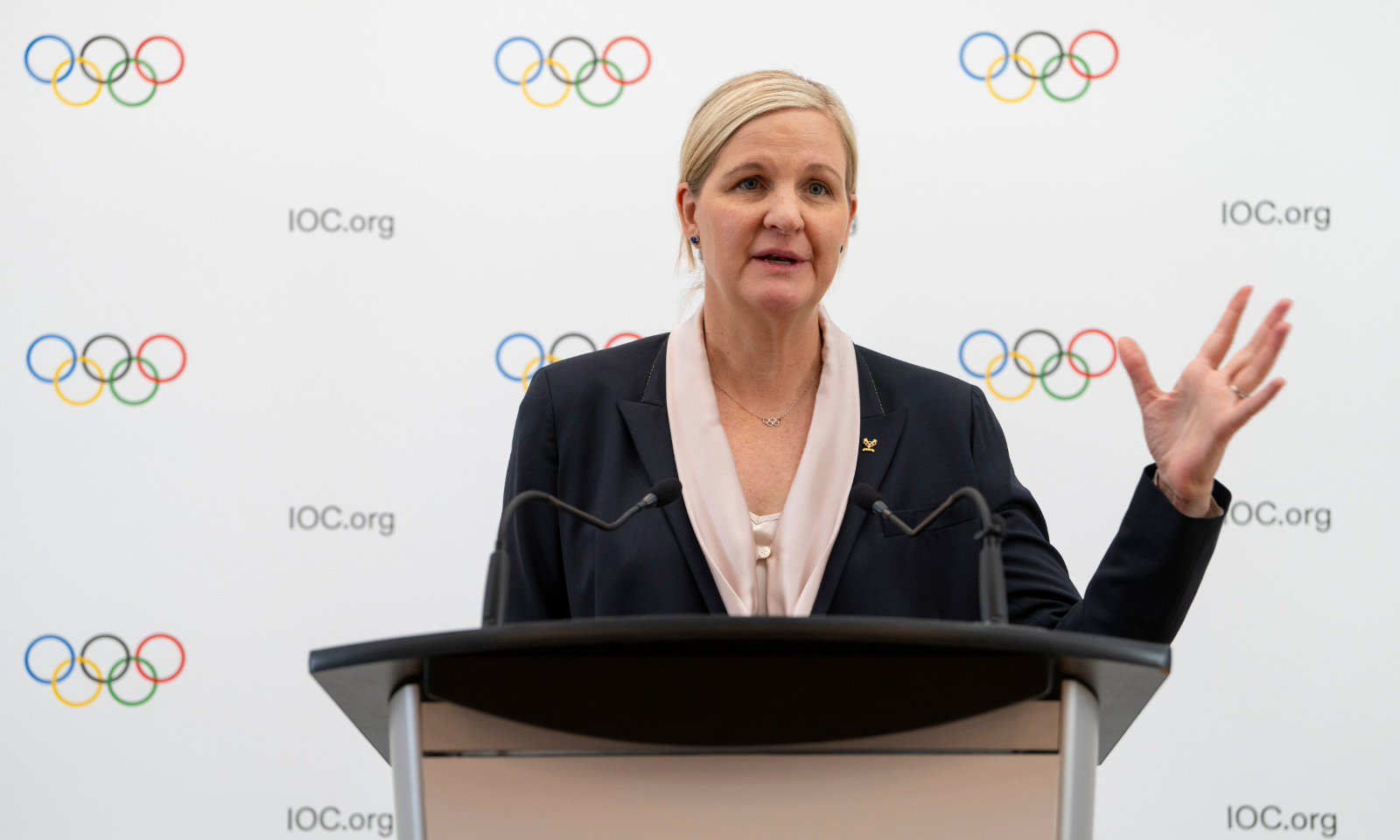
Innocent Mujeri
Kirsty Coventry’s election as the new President of the International Olympic Committee (IOC) is a defining moment in the history of global sports.
The Zimbabwean swimming legend, a two-time Olympic champion, has made history as the first woman, the first African, and the youngest person ever to hold this prestigious position at just 41 years old.
Her rise to the helm of the IOC is not just a personal achievement but a monumental shift in international sports governance, one that carries deep significance for Zimbabwe, Africa, and the broader world of sports diplomacy.
For Zimbabwe, Coventry’s election brings a much-needed moment of pride and recognition on the global stage.
This moment offers Zimbabwe a chance to reshape its global image, proving that it remains a nation capable of producing world-class talent, not only athletes but in leadership.
Coventry’s success is a testament to perseverance and excellence, reinforcing the idea that Zimbabweans can excel in international arenas when given the opportunity.
This development is particularly significant within the framework of Zimbabwe’s engagement and re-engagement policy.
At a time when the country is seeking to rebuild and strengthen its relationships with global partners, Coventry’s presence in such a powerful international role can serve as a bridge between Zimbabwe and key stakeholders.
Her influence within the IOC will naturally lead to interactions with world leaders, sports federations, and multinational corporations, placing Zimbabwe in a favorable position to leverage sports diplomacy for greater economic and diplomatic benefits.
Sport has long been used as a tool for uniting nations, and Coventry’s leadership offers Zimbabwe a unique opportunity to forge new partnerships and foster goodwill on a global scale.
Her election also marks a defining moment for Africa, a continent that has long been underrepresented in global sports governance.
For years, African athletes have dazzled on the track, in the pool, and on the field, yet the decision-making structures of international sports have often excluded voices from the continent.
Coventry’s rise changes that dynamic, ensuring that Africa now has a powerful advocate at the highest level of sports administration.
This could lead to increased investment in sports infrastructure, greater funding for African athletes, and a stronger push for an African nation to one day host the Olympics.
The impact of her leadership will extend far beyond Zimbabwe, as her voice will carry the concerns and aspirations of an entire continent.
Beyond geography, Coventry’s election is also a victory for women around the world, particularly in leadership and sports administration.
The IOC has traditionally been dominated by men, and the sports industry as a whole continues to struggle with gender disparities in pay, opportunities, and recognition.
Coventry’s historic achievement sends a powerful message that women are not only capable of excelling in sports but also of leading the very institutions that govern them.
Her journey from an elite athlete to the president of the IOC is an inspiring narrative for young girls, particularly in Africa, where cultural and societal barriers often limit women’s rise to leadership roles.
Her success is a reminder that with determination, talent, and perseverance, women can break through even the most rigid glass ceilings.
In Zimbabwe, Coventry’s leadership could also be a catalyst for sports development and policy reforms.
Currently serving as the country’s Minister of Sport, Arts, and Recreation, she understands firsthand the struggles faced by Zimbabwean athletes.
Limited funding, inadequate training facilities, and lack of structured development programmes have long hindered the country’s sporting potential.
Her new role could open doors for increased financial support, better infrastructure, and more opportunities for young athletes.
It is not unrealistic to expect that under her leadership, Zimbabwe could secure international funding and partnerships to improve its sports ecosystem.
Her presidency could also create avenues for Zimbabwe to host more international sporting events, which would not only boost tourism but also generate much-needed economic activity.
From a broader economic perspective, Coventry’s election could indirectly contribute to Zimbabwe’s growth.
Global attention on Zimbabwe as her home country presents an opportunity to market itself as a destination for sports tourism and investment.
Major international brands that are involved in the Olympics may now see Zimbabwe in a new light, potentially leading to sponsorship deals, partnerships, and business opportunities in the country’s sports sector.
At a time when Zimbabwe is looking for ways to revitalise its economy, Coventry’s global prominence could be an asset in attracting foreign investment.
On a global scale, Coventry’s presidency comes at a crucial time for the IOC. The organisation has faced its fair share of challenges, from corruption scandals to concerns over the rising costs of hosting the Olympics.
Her reputation for integrity and excellence positions her as a leader who can bring about much-needed reforms. With her firsthand experience as an athlete, she is uniquely placed to advocate for policies that prioritize athlete welfare, promote gender equality in sports, and ensure that the Olympic Games remain a force for good.
Issues such as doping, financial transparency, and the environmental impact of the Olympics are all areas where her leadership could make a difference.
As the world celebrates this historic moment, it is clear that Coventry’s election is not just a personal victory but a symbol of progress on multiple fronts.
For Zimbabwe, it is a chance to rebrand itself on the world stage. For Africa, it is a step towards greater influence in global sports governance.
For women, it is proof that leadership roles at the highest levels are within reach. And for the global sports community, it signals a new era of leadership that could bring about much-needed change.
Coventry’s journey—from a young swimmer representing Zimbabwe on the Olympic stage to now leading the very institution that governs the Games—is a story of resilience, excellence, and inspiration.
Her tenure as IOC president will undoubtedly be watched closely, but one thing is certain: the world of sports will never be the same again.