Online Reporter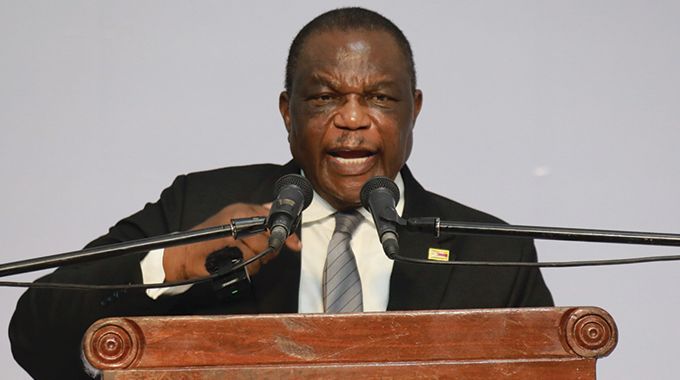
Mukudzei Chingwere in Luanda, Angola
VICE-PRESIDENT Dr Constantino Chiwenga is expected here tomorrow for the 21st Extraordinary Session of the Assembly of the African union (AU) on Conflict Prevention and Resolution in Africa.
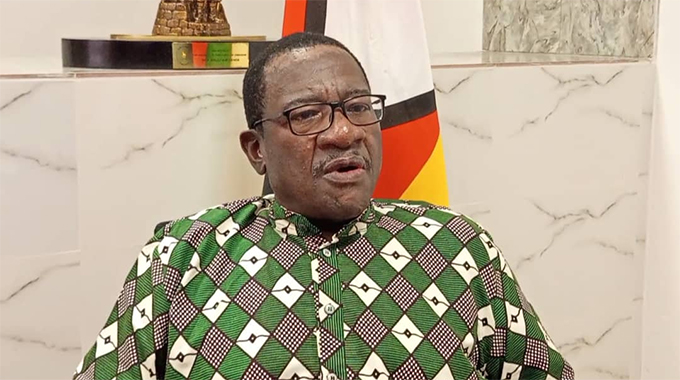
Ahead of his arrival, Zimbabwean Ambassador to Angola, Major General (Rtd) Dr Thando Madzvamuse, said the two countries’ diplomatic ties remained strong, rooted in history, while urging renewed attention to the economic opportunities that remained largely untapped.
The Ambassador said, as with other SADC member states, Zimbabwe and Angola enjoyed solid bilateral cooperation, but stressed that economic relations required further urgency and deepening, with trade volumes minimal when compared to Angola’s population of around 40 million and market potential.
He said the trade figures were low, describing them as “almost minimal” and warned that the two countries were missing opportunities.
“We have already done the preparations to welcome the Vice President Dr Chiwenga to join the summit,” said Ambassador Madzvamuse.
“You would be aware that Angola played a very critical role in our war of liberation struggle, as one of the frontline states. Angola played a role in training some of our cadres.
“Just as with other SADC countries, bilateral relations are very strong but I always feel this pain to note that at the economic level we have a lot to do.
“The embassy has gone out of its way to try to entice the business community from both countries to get closer to each other so that we could improve the economic relations. It’s work in progress, and I am happy that we have covered some significant ground.
“The trade is so minimal; the figures are almost minimal. We are talking of millions in a country which imports almost everything it desires. Angola has a population of almost 40 million people, the willingness and capacity to buy is there,” said Ambassador Madzvamuse.
The ambassador pointed out that many products Angola consumes are often sourced from far beyond the region, including Europe, China and Asia, despite the proximity of regional suppliers.
While acknowledging the need for broader business engagement, the ambassador singled out agriculture as a practical entry point for investment and trade expansion.
He said Angolan land and farming capacity could align with Zimbabwean expertise, and suggested that meaningful commercial farming partnerships may be possible through long-term arrangements, including lease-based models.
Ambassador Madzvamuse said the embassy has also been engaging entrepreneurs and business leaders who, in his view, have shown caution and reluctance to pursue the available opportunities.
He described what he called a “risk aversiveness” among segments of Zimbabwe’s business community, and said the embassy has been working to reduce barriers and misperceptions, whether those barriers stem from language, culture, or unfamiliar business practices.
“Most of the commodities you get in the country today, be it beef, chicken, machinery, health services, are all from elsewhere. The bitter part is that most of these products are coming from far afield, and a very small proportion of it coming from the region,” said Ambassador Madzvamuse.
“There are opportunities for agriculture, including renting farms here to do farming. Most of the thriving farms here – the technocrats, that is the agronomists – are Zimbabweans.
“Opportunities exist, where foreigners can negotiate long leases on Angolan farms, building production capacity while strengthening regional economic linkages.
“We have noted the risk aversiveness of our business community in Zimbabwe; I do not know where it is coming from. “Whether it is language, I don’t know. We have counselled that the business community should not be worried by things like language and culture,” said Ambassador Madzvamuse.
Instead, he argued that practical engagement – meeting counterparts, understanding local markets and building partnerships – could quickly dispel fears and unlock commercial momentum.