Online Reporter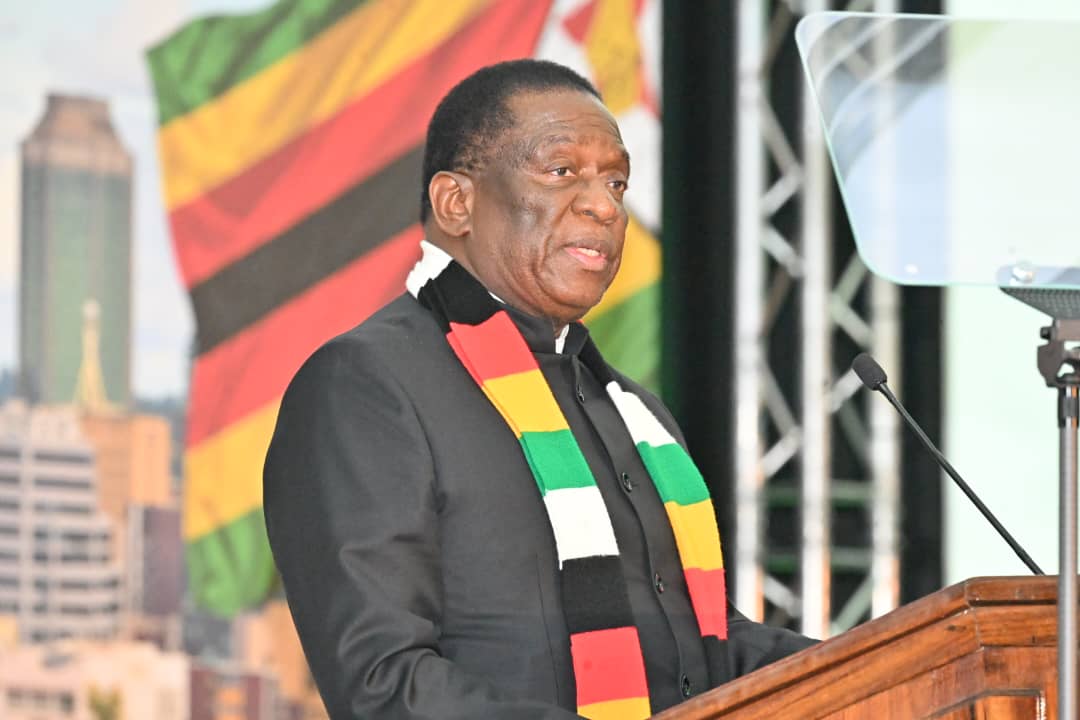
The 8th Meeting of the International Solar Alliance Regional Committee for Africa in Victoria Falls has provided us with another opportunity to confront a fundamental contradiction in our energy sector: we are blessed with abundant sunshine, yet continue to produce far less solar power than our natural resources could support.
President Mnangagwa captured the opportunity clearly when he said:
“Given its consistent availability, solar energy offers a major opportunity to strengthen energy security and support rapid socio-economic development. The time to convert Africa’s enormous solar potential into projects that deliver measurable development outcomes is now.”
That call should resonate strongly across the country, where electricity shortages have been a recurring problem over the past few years, constraining economic activity and placing additional pressure on businesses and households.
Independent power producers, a good number of them solar projects, contribute an average of 55 megawatts (MW) to the national grid. While this provides useful additional capacity, it is clearly inadequate for a country with such abundant sunshine and a pressing need for more reliable electricity.
The true contribution of solar is undoubtedly considerably higher because many installations are off-grid, serving households, businesses, farms, mines and other users outside the national grid. Yet this only reinforces the point: the country’s solar revolution is taking place in fragments when it should be happening at scale.
Solar energy can reduce pressure on the national grid, lower dependence on expensive electricity imports and provide reliable power to productive sectors. For farmers, it can support irrigation and cold storage. For mines and manufacturers, it can supplement grid supplies and reduce operating costs. For households, it can improve access to electricity while reducing reliance on diesel-guzzling generators.
President Mnangagwa was therefore right to urge the continent to put in place “sound policies, effective institutions, appropriate technical standards, transparent procurement systems and reliable electricity infrastructure.”
The challenge is not whether Zimbabwe has enough sunshine. It is whether the policies we have put in place are attracting sufficient financing, investment and technical capacity to convert that natural resource into productive energy.
As the policy environment continues to evolve, we should streamline licensing and approvals for renewable-energy projects, create predictable tariffs and power-purchase arrangements, and strengthen the regulatory framework for independent power producers.
Investment in transmission infrastructure is equally important to ensure that new generation can be connected to the grid and delivered to where it is needed.
We should also aggressively promote battery storage, distributed generation and solar systems for mines, farms, businesses and public institutions. Blended finance and guarantees could help reduce the cost of capital and attract both domestic and international investors.
The Victoria Falls meeting should therefore be remembered as a catalyst for action. We must stop measuring our solar potential by the megawatts that could be generated as well as the number of projects licensed by the Zimbabwe Energy Regulatory Authority and start measuring it by the projects built, electricity delivered, businesses powered and jobs created.