Online Reporter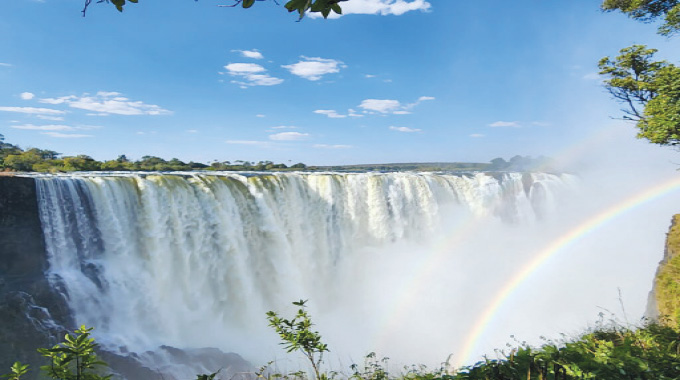
Mashudu Netsianda, Deputy National Editor
AS 2025 draws to a close, all eyes are on Zimbabwe. With Forbes recently naming it the “World’s Best Country to Visit in 2025”, the southern African nation stands at the threshold of what could be a transformational boom in tourism.
Forbes hailed Zimbabwe for its “mosaic of rugged wild terrain and deep ancestral heritage, where jagged granite outcrops rise above sun-scorched golden plains and skies stretch wide over rustling acacia groves.”
But beyond global accolades lies a real opportunity for Zimbabweans and international travellers alike to rediscover this land’s extraordinary variety — from thundering waterfalls and tranquil highlands to ancient ruins and sacred cultural sites.
Zimbabwe is home to diverse wildlife in national parks such as Hwange and offers warm hospitality from its people, attracting significant global interest in its natural beauty and adventure opportunities.
The country has recorded a surge in global interest. According to travel-search data, flights to Bulawayo increased by more than 80 percent in 2025, while searches for flights to Harare rose by 56 percent. In 2024 alone, Zimbabwe welcomed over 1,6 million international arrivals, generating US$1,2 billion in receipts and attracting US$190,5 million in tourism investment.
International support has also grown, including a major conservation and tourism development partnership with the European Union, aimed at protecting biodiversity while promoting eco-friendly travel growth.
Taken together, these trends suggest Zimbabwe is not just riding a hype wave — the country may well see a sustained influx of tourists during the festive season and beyond.
Beyond the headlines, Zimbabwe offers awe-inspiring nature and wildlife. The majestic Victoria Falls — known locally as Mosi-oa-Tunya (The Smoke That Thunders) — remains a top draw, with its thunderous gorges and misty rainbows.
For wildlife lovers, sanctuaries like Hwange National Park, Matobo National Park and Mana Pools National Park offer close encounters with elephants, rhinos, hippos and the rare thrill of walking or canoe safaris in near-untouched wilderness.
The cooler, mist-clad hills of the Eastern Highlands, including Nyanga National Park, provide an idyllic escape for hikers, photographers and travellers seeking serenity.
From a heritage perspective, Great Zimbabwe — with its ancient dry-stone walls and ruins — speaks of a sophisticated civilisation dating back to the 11th century, offering a powerful window into the country’s rich past. For those drawn to spiritual heritage, the sacred granite kopjes of Matobo Hills — including Malindidzimu (Hill of the Ancestral Spirits) — offer a reflective connection to indigenous beliefs and ancestral memory.
Zimbabwe isn’t only about safari and scenic vistas. Religious tourism is emerging as a powerful complement and growth engine. The tourism ministry has recently placed emphasis on faith-based travel, noting that large spiritual gatherings can draw significant numbers of visitors and boost local economies.
For example, in recent days, congregants from various offshoots of the Apostolic Faith Church, popularly known as Ivangeli, founded by the late Reverend Morgan Sengwayo in Bulawayo, have been converging in the city for their annual camp meetings. Pilgrims are arriving not only from across Zimbabwe, but also from SADC countries and the United States.
Such patterns highlight the potential of religious gatherings, including those of many other churches, to act as tourism magnets.
So, as the festive season approaches, Zimbabwe stands to benefit not only from holiday-makers and adventure-seekers, but also from the diaspora and believers returning home for spiritual renewal — turning pilgrimage into a meaningful tourism niche.
To every Zimbabwean at home and to travellers abroad searching for a destination that blends natural wonder, deep history and soulful culture — now is the time to visit. Come and witness the roaring majesty of Victoria Falls and feel the spray on your skin long after you’ve left; walk the ancient pathways of Great Zimbabwe and imagine the generations that built those walls, dreamt those lives and shaped a nation.
Venture into the remote wilderness of Mana Pools or Hwange, where wildness still reigns and the rhythm of life moves to drumbeats of earth and sky. Scale the misty heights of the Eastern Highlands, breathe mountain air that clears your mind and lets you see farther than the horizon. Experience spirituality and heritage, from sacred kopjes in Matobo to citywide gatherings of believers where faith meets community, identity and tradition.
Zimbabwe is not just open for business; it is opening its arms to visitors. 2025 isn’t just a banner year — it may be the start of a new era.
Under the Second Republic, Zimbabwe continues positioning itself as a leading global tourism destination. Tourism remains a major contributor to GDP, with President Mnangagwa frequently describing the sector as “a low-hanging fruit for accelerated economic growth, employment creation and foreign exchange generation.”
Tourism and Hospitality Industry Minister Barbara Rwodzi recently told Zimpapers that recognition by global travel experts and Forbes was not only an endorsement of Destination Zimbabwe, but proof that the country is a safe and peaceful tourist destination.
“We are overjoyed by the acknowledgement from Forbes and global travel experts. As you know, it’s prestigious when you get such recognition from Forbes and it is confirmation that Zimbabwe is a safe, peaceful, war-free tourist destination,” she said.
But this moment comes with responsibility. As more visitors arrive, Zimbabwe’s tourism growth must be managed sustainably — preserving ecosystems, respecting cultural and sacred sites, and ensuring communities benefit directly. There is a need for local and international support and investment in conservation efforts.
Local businesses such as lodges, guides and artisans must be empowered. Infrastructure must keep pace so that travel becomes easier and safer. Already, work on the rehabilitation of the Bulawayo-Victoria Falls Road is progressing well, with contractors on the ground and civil works underway. After all, Zimbabwe’s greatest asset is not only its landscapes, but its people, its memories and its living heritage.
If approached with care and vision — and if visitors come with curiosity, respect and wonder — the 2025 festive season could mark the beginning of a genuine Zimbabwean renaissance in global tourism.