Prosper Ndlovu [email protected]
ZIMBABWE’S transformation into a US$66 billion-plus economy is creating a broader and more sustainable base for domestic revenue mobilisation, as Government intensifies efforts to ensure that economic growth translates into increased resources for financing national development and advancing Vision 2030.
The expanding economy, which has been driven by the Second Republic’s economic stabilisation measures, investment promotion and support for productive sectors, is creating new businesses, investment opportunities and increasingly sophisticated economic activity, all of which are expected to widen the tax net.
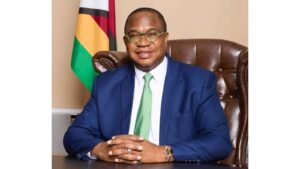
Finance, Economic Development and Investment Promotion Minister Professor Mthuli Ncube yesterday said Government was looking to the Zimbabwe Revenue Authority (Zimra) to ensure that the revenue base grows alongside the economy, with the tax-to-GDP ratio targeted to rise to 22 percent by 2030.
Speaking during Zimra’s Silver Jubilee celebrations, held under the theme: “Celebrating 25 Years of Excellence in Revenue Mobilisation and Service Delivery”, Prof Ncube said domestic resource mobilisation had become increasingly important as Zimbabwe and other developing countries face constrained access to affordable international financing, rising financing costs and a shrinking pool of development assistance.
“Today, Zimbabwe is a US$66 billion-plus economy and continues to grow. As our economy expands, Zimra must rise with it,” said Prof Ncube.
“A growing economy must produce a growing revenue base, because a stronger revenue base gives Government greater capacity to finance national priorities and development.
“This is the deeper meaning of domestic resource mobilisation. It is about economic sovereignty, fiscal resilience and our capacity, as a nation, to finance our own development,” he added.
Prof Ncube said the Government expected Zimra to broaden the tax base, strengthen compliance, reduce revenue leakages and make tax compliance simpler, fairer and more predictable.
“Our ambition is to raise the tax-to-GDP ratio to 22 percent by 2030, consistent with our national development objectives and regional convergence ambitions,” he said.
“That is the standard against which the next phase of Zimra’s journey must be measured.”
Zimbabwe’s growing revenue base reflects a broader transformation of the economy and the expanding scope of economic activity.
Prof Ncube said Zimra, which was established in 2001, has evolved alongside the economy, growing from an institution that collected millions in its early years into one that now mobilises billions of dollars in revenue.
He said this growth was not simply a reflection of Zimra’s institutional expansion, but evidence of a Zimbabwean economy that had evolved, expanded and become increasingly complex.
When Zimra was established in 2001, the country’s economy, technology and patterns of commerce were very different, although its fundamental mandate to mobilise revenue, administer tax and Customs laws and facilitate legitimate trade and travel has remained unchanged.
Over the past 25 years, Zimra has had to respond to changing economic conditions and patterns of commerce, with its role becoming increasingly important as Government seeks to build a stronger domestic resource base.
Prof Ncube said the policy direction and initiatives of the Second Republic under President Mnangagwa had created conditions for stronger domestic revenue mobilisation by stabilising the economy, strengthening macro-economic management, promoting investment and supporting productive sectors.
“A growing economy creates a broader and more sustainable tax base from which Government can finance national development,” he said.
The relationship between economic growth and revenue mobilisation, Prof Ncube said, was increasingly becoming central to Zimbabwe’s fiscal sustainability.
“As the economy expands, new businesses emerge, investment increases and economic activity becomes more sophisticated, the authority must ensure that the tax base expands alongside the economy and that every taxpayer contributes fairly and lawfully to the financing of national development,” said the minister.
He said domestic resource mobilisation was no longer simply a matter of revenue administration, but an important pillar of economic sovereignty and national resilience.
With developing countries facing tightening external financing conditions, Zimbabwe is increasingly focusing on building its capacity to finance a larger share of its development agenda from resources generated within the domestic economy.
This means that broadening the tax base must go hand in hand with economic growth, investment and the formalisation of economic activity, while ensuring that taxpayers are treated fairly and that the tax system is predictable, said Prof Ncube.
He further noted that the contribution of taxpayers was central to building the country’s fiscal capacity.
The 2026 Taxpayer Appreciation Awards presented during the event, he said, recognised businesses and taxpayers whose compliance, integrity and contribution had strengthened Zimbabwe’s fiscal foundation.
Prof Ncube said tax compliance enables the Government to transform national resources into development.
“When taxpayers meet their obligations, they help Government turn national resources into roads, schools, hospitals, public services and opportunities for our people. Your contribution matters. Your compliance matters. And ultimately, Zimbabwe benefits,” he said.