malvernmugadzikwa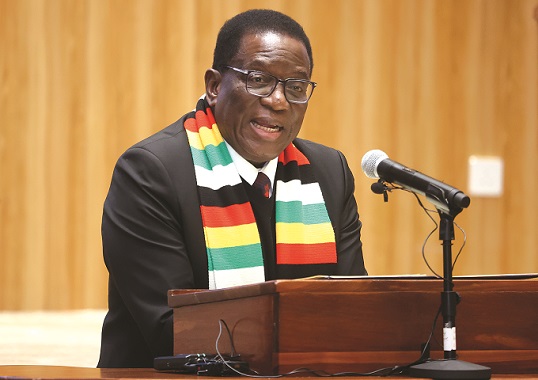
Zimpapers Political Hub
Richard Muponde
Zimbabwe will this month host the 29th Southern African Regional Climate Outlook Forum (SARCOF-29) in another vote of confidence in the country’s capacity to organise international events.
The conference will be held from today to August 30.
Zimbabwe will host this regional event just after the 44th Southern African Development Community (SADC) Heads of State and Government Summit.
The hosting of SARCOF-29 represents the international community’s trust in the country’s ability to provide a secure and conducive environment for such important gatherings.
Cabinet recently approved the hosting of SARCOF-29 after accepting a proposal by Environment, Climate and Wildlife Minister Dr Sithembiso Nyoni.
“SARCOF-29 will bring together climate scientists from the 15 member states of the SADC region that are expected to come up with a consensus 2024/2025 rainfall season, which will then be shared with stakeholders from around the region.
The hosting of the SARCOF-29 will offer an opportunity to the country to showcase to the region the National Early Warning System infrastructure, which the Second Republic has invested in,” said Information, Publicity and Broadcasting Services Minister Dr Jenfan Muswere in a recent post-Cabinet briefing.
The SARCOF-29 meeting is a crucial step towards turning Zimbabwe into a meetings, incentives, conferences and exhibitions (Mice) tourism destination, as envisioned by the Second Republic.
The Government has been working tirelessly to capitalise on Mice tourism for economic development.
In March this year, Zimbabwe participated in the 2024 edition of the Meetings Africa tourism event in South Africa.
Meetings Africa is the continent’s leading Mice show, which offers a one-stop-shop networking platform for destination management companies, international associations and national convention bureaux.
The National Tourism Recovery and Growth Strategy blueprint, which was produced by the Government, is expected to drive tourism sector growth, as the authorities are targeting the sector’s revenue to grow to US$5 billion by next year. Updating the Meetings Africa conference, the Zimbabwe Tourism Authority (ZTA) said, as international associations are always looking for new destinations for rotational meetings, Destination Zimbabwe is present and ready to be considered as a host.
“Zimbabwe is represented by players that are keen on tapping into the lucrative Mice industry and building new contacts for more business as the business tourism sector is characterised by high spenders and large groups ranging from 100 to 3 000 participants,” ZTA said.
Zimbabwe was represented by five tourism operators that are in the Mice business, including African Sun Hotels, Rainbow Tourism Group, Victoria Falls Hotel, Airports Company of Zimbabwe and Zimbabwe International Trade Events.
When the country successfully hosts international conferences like SARCOF-29, it can showcase its capabilities in organising and hosting high-profile events, thereby attracting more Mice tourism.
This not only boosts the country’s economy but also promotes it as a favourable destination for international conferences and other events.
SARCOF-29 holds immense importance in light of the effects of climate change in the SADC region.
The conference provides a platform for climate scientists from SADC member states to come together and discuss strategies to address the challenges posed by this phenomenon.
Given the current El Niño-induced drought affecting the entire region, the conference is expected to delve into crucial discussions on mitigating the impact of such extreme weather events and developing sustainable solutions to combat the effects of climate change.
Addressing the 28th Session of the Conference of the Parties to the United Nations Framework Convention on Climate Change in the United Arab Emirates in December 2023, President Mnangagwa said Zimbabwe, like many other nations, continues to suffer from the negative socio-economic impacts of increased frequency of droughts, heightened intensity of tropical cyclones and other severe weather events, which no country can adapt to or mitigate alone.
The address by President Mnangagwa revealed the commitment by Zimbabwe to fight the effects of climate change not only in the region but in the world as a whole.
It is highly anticipated that SARCOF-29 discussions will revolve around the current El Niño-induced drought, its impact on agriculture, water resources and food security, and measures needed to address these challenges.
The forum may also focus on developing early warning systems, enhancing regional cooperation for disaster risk reduction and promoting sustainable agricultural practices to mitigate the effects of climate change in the region.
The significance of hosting SARCOF-29 cannot be overstated.
It is a significant event, as Zimbabwe not only demonstrates its political and economic stability but also plays a pivotal role in addressing the pressing issues of climate change and its impact on the region.
The conference serves as a platform for collaboration, knowledge sharing and development of strategies to build resilience.
Most importantly, SARCOF is another opportunity for Zimbabwe to shine.


 Online Reporter