Online Reporter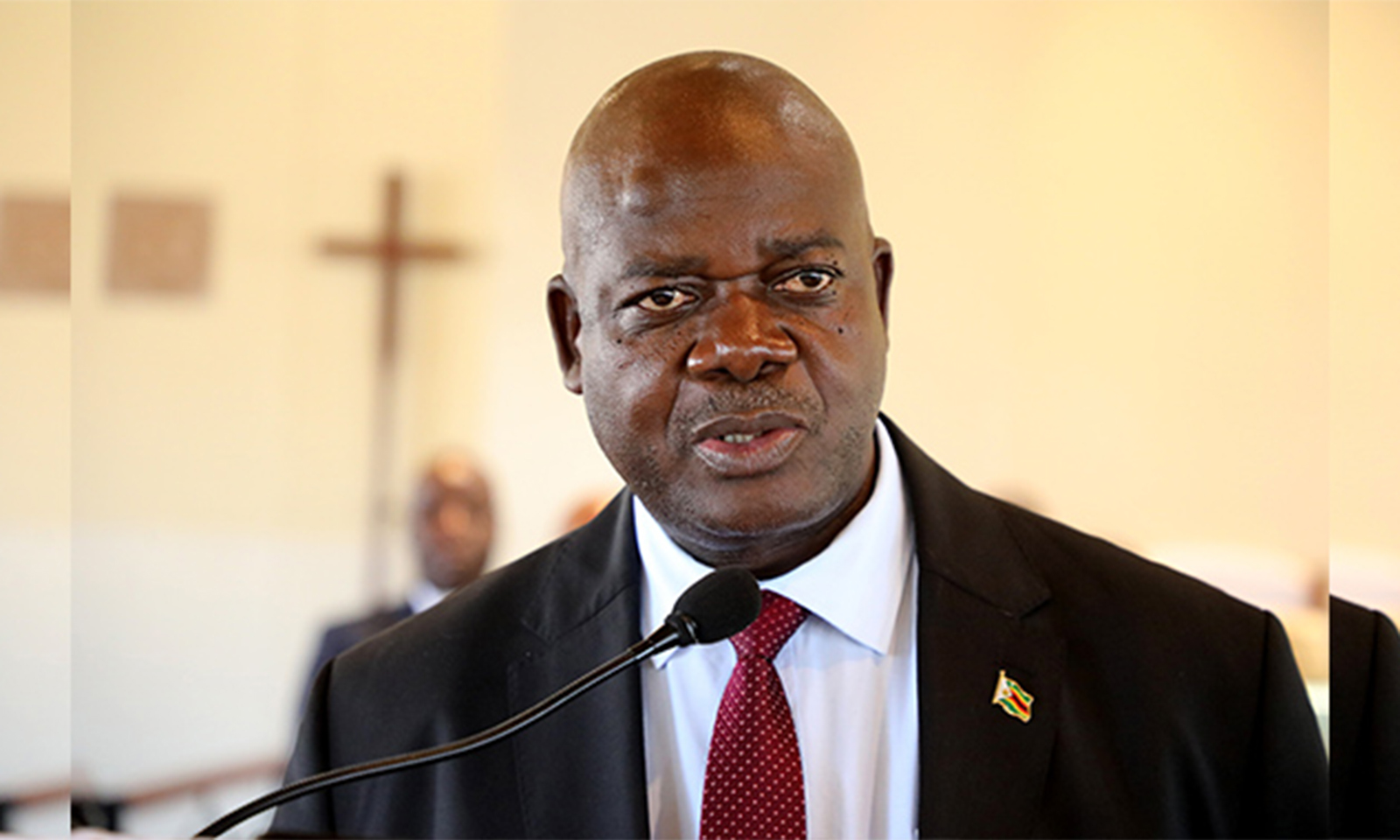
Trust Freddy
Herald Correspondent
The Government will prosecute school heads who turn away students for non-payment of school fees, as that responsibility lies with the parents, who can be sued in the courts.
The stern action follows mounting concerns that some parents and guardians are exploiting a policy loophole, effectively allowing their children to attend primary school (Grades 1 to Grade 7) without settling outstanding fees.
The severity of the payment deficit is particularly evident in rural areas, where schools are now enlisting traditional chiefs to intervene with reports indicating that some chiefs are ordering defaulting guardians to sell their livestock as a mandatory measure to clear their debts.
Primary and Secondary Education Minister, Torerai Moyo, confirmed in the National Assembly recently that sending pupils home over fee arrears is a “chargeable offence,” and the Ministry is ready to invoke Statutory Instrument 1 of 2000, which criminalises denying students the right to education.
“Indeed, it is Government policy that school children should not be sent home on account of failure to pay school fees,” he said.
“The ministry has always pronounced itself on this issue. The responsibility for payment of fees rests with the parents or guardians, not the pupils themselves
“As such, it is a chargeable offence for school heads to do so. As the Ministry, our personnel at district and provincial levels continuously monitor our schools to ensure compliance on this matter.”
However, Minister Moyo said parents should honour their part of the bargain.
“Government policy does not exonerate parents or guardians from non-payment of fees. It is incumbent upon the parents or guardians to pay fees so that schools can meet the day-to-day expenses,” he said.
“If parents are experiencing some challenges in the payment of school fees and levies, we have always encouraged them to make payment plans with the school authorities.”
Minister Moyo also sanctioned the use of legal enforcement mechanisms to compel payment.
“One way of persuading parents to pay is through regular communication. Headmasters and SDCs (school development committes) can write letters to remind the parents to respect their roles and responsibilities, to meet their obligations – that is the first way, which is a peaceful way,” he said.
“The other mechanism is that it is legal for school authorities to engage debt collectors, which is within the confines of the law. Belvedere Primary School is one example that has managed to collect school fees and levies up to 100 percent because it contracted debt collectors.
“What we do not want as Government is the violation of the rights of the child, fundamental rights, rights to education. Once a student is turned away for non-payment, that violates that right and we descend on those schools. We take action. We will not stand aloof when the rights of the child are being violated and we have mechanisms in place to enforce that, to take some deterrent measures.”
Meanwhile, to combat the abuse of the policy, traditional chiefs in rural areas are stepping in to assist schools.
Chief Bushu is among the traditional leaders taking a firm stance, summoning delinquent parents to his court and ordering them to pay their outstanding school fees with livestock.
In a telephone interview, Chief Bushu said:
“We direct them to pay or make payment plans because it does not make sense that you will be having a large herd of cattle yet you don’t want to pay fees,” Chief Bushu said.
He stressed that while they agree that children’s rights must not be violated, parents must also meet their obligations for the development of schools.
“If you have a chicken or goat, sell it to pay school fees. We, as traditional leaders, intervene because schools struggle to engage defaulting parents.
“For those without means, we facilitate payment plans. We’re making progress in development through our collaboration with local schools.”