Online Reporter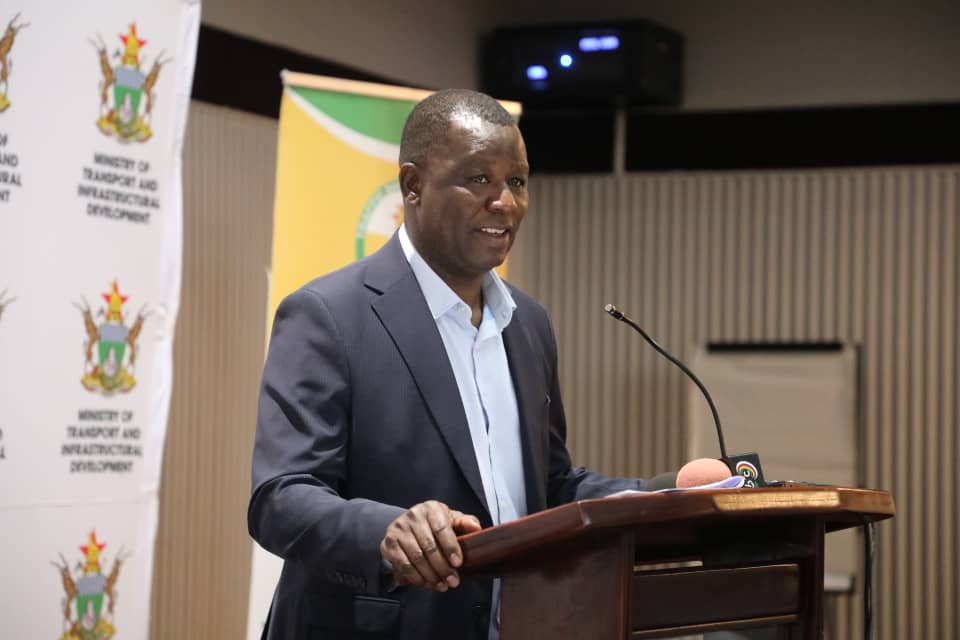
Freeman Razemba
Senior Reporter
Drivers who continue flouting traffic and road rules, as well as public service vehicle owners who allow drivers without the required documents to be on the road, will soon face deterrent measures under the Road Accident Fund Bill once it has been gazetted.
On Monday the Ministry of Transport and Infrastructural Development launched public consultations in Bulawayo for the Road Accident Fund Bill, which is designed to provide timely medical aid, funeral expenses, and compensation to victims of road traffic accidents and their families.
The launch comes after the Cabinet in June this year approved the principles of the Road Accident Fund Bill, which is expected to provide appropriate emergency treatment, medical and funeral expenses for road traffic accident victims.
It will be mainly funded from motor vehicle insurance premiums.
The Bill seeks to ensure safe and sustainable transport as well as reduce road traffic accident deaths and injuries by 2030.
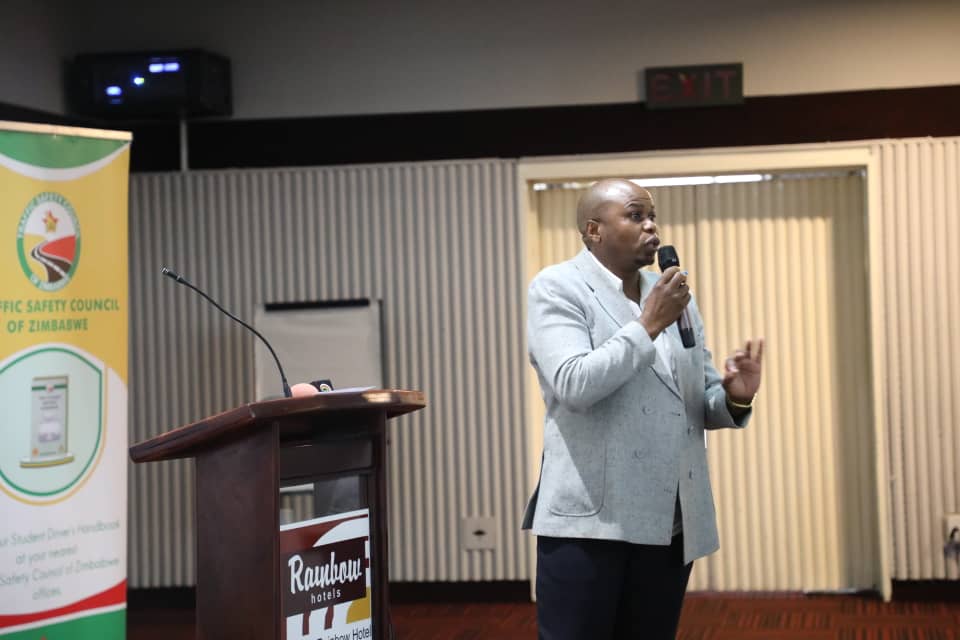
Traffic Safety Council of Zimbabwe (TSCZ) board chairperson, Mr Kura Sibanda, who is representing Transport and Infrastructural Development Minister Felix Mhona, TSCZ managing director Mr Munesu Munodawafa who is representing the ministry’s permanent Secretary Engineer Joy Makumbe and officials from the Ministry of Information, Publicity and Broadcasting Services, other Ministries and the Attorney General’s Office are attending the consultations which continued on Tuesday in Gwanda.

In a speech read on his behalf, Minister Mhona said the public meetings coincide with a momentous period, when President Mnangagwa’s administration has emboldened its resolve to formulate robust
policy, legal and administrative mechanisms to transform and revolutionise the road traffic safety management regime.
“We are extremely delighted that we have convened this historic forum. Occasions of this nature provide us with a wonderful opportunity to share experiences and hear directly from the constituency which matters, the real stakeholders of road safety- members of the public,” he said.
“We have also committed ourselves to fully engaging all those who are in the ecosystem of road safety management and regulation in general and post-crash management in particular.”
Minister Mhona said that four years ago, Zimbabwe embarked on a Road Safety Performance Review, which produced a report President Mnangagwa launched on January 12, 2022.
“According to the report, in Zimbabwe, a traffic crash occurs every 15 minutes, over 35 000 crashes occur annually, an average of at least five people are killed every day, over 1 800 people die every year and over 10,000 people are injured annually,” he said
“The review was carried out to assist Zimbabwe’s road safety management capacities and to improve the national road safety record.
“On that note, we pay special tribute to the United Nations Office of the Special Envoy on Road Safety for their unwavering technical and financial support throughout the review process.
“Zimbabwe‘s current road traffic accident statistics indicate that a significant number of lives are lost as a result of road accidents on a regular basis. This state of affairs is compounded by increasing vehicle population, causing further strain on road infrastructure, leading to increased crashes and fatalities.”
He said a tremendous opportunity for progress in road transport management and safety has been created by a powerful set of factors, including the announcement of a Second Decade of Action for Road Safety by the United Nations General Assembly (through Resolution 74/299), which declared a Decade of Action for Road Safety 2021-2030, with the target to reduce road traffic deaths and injuries by at least half by 2030.
He said the renewed political commitment from member states of the United Nations (UN), including Zimbabwe, and the strong foundations laid by the Decade of Action for Road Safety; the inclusion of road safety in Sustainable Development Goals (SDG) targets 3.6 and 11.2, various Global Ministerial Conferences, the appointment of a Special Envoy for Road Safety by the UN Secretary General and the establishment of the UN Road Safety Fund, indicate clearly the increased importance accorded to road safety and enhanced mechanisms to improve it globally.
“The inclusion of specific road safety targets in Agenda 2030 reflects universal recognition that death and injury from road crashes are now among the most serious threats to countries’ sustainable development. This means that road safety cannot be compromised or traded off to achieve other social needs,” he said.
“In this context, road safety should not be approached as a stand-alone issue but as an integrated component of many different policy agendas. The constant evolution of transport worldwide presents us with multiple challenges: greenhouse gas emissions and climate change; air pollution; fossil fuel reliance; an epidemic of chronic diseases; and the risks of road death and injury. This calls for Zimbabwe to plan ahead, take tough decisions and bring sanity to road transport management for road safety,” he said.
Minister Mhona said road safety management and programming is anchored on five pillars:
* Road Safety Management;
* Safer Roads and Mobility;
* Road User Attitudes;
* Safer Vehicles, and a robust and sustainable post-crash management model
“While the Government has done much in other areas, this Road Accident Fund Bill we are here to formulate together is a solid commitment and right direction towards establishing a robust post-crash management regime within the framework of the Road Accident Fund (RAF),” said Minister Mhona.
This pillar focuses on the need for increased responsiveness to post-crash emergencies, to improve the ability of health and related systems for appropriate emergency treatment and longer-term rehabilitation for crash victims.
“This entails the establishment of a coordinated post-crash regime, anchored on rapid response mechanisms, emergent medical facilities and health support services.”