


 Vusumuzi Dube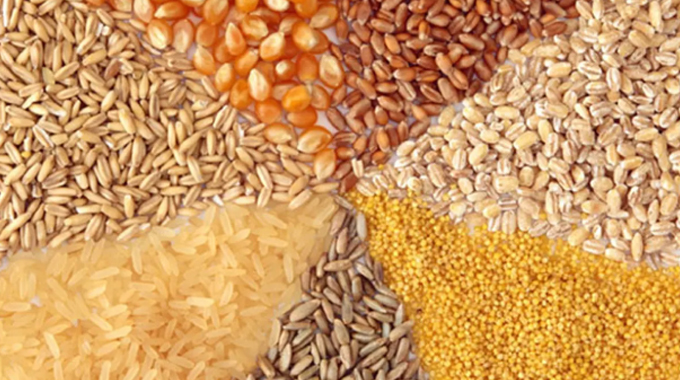
Vusumuzi Dube, Online News Editor
ZIMBABWE reportedly has enough grain stocks that will last for over 11 months with some provinces in the country also recording an increase in traditional grains intake, this testimony of the Government’s success in climate-proofing efforts.
Speaking during a post-Cabinet briefing on Tuesday, the Minister of Industry and Commerce Dr Sekai Nzenza who was standing in for Information, Publicity and Broadcasting Services Minister Monica Mutsvangwa, revealed that the country’s grain stocks are expected to last for 11 and a half months.
“Cabinet advises that the grain stocks at GMB as at 14 November, 2022 stood at 566 841 metric tonnes comprising 487 274 metric tonnes of maize and 79 567 metric tonnes of traditional grains. Using the monthly consumption rate of 49 294 metric tonnes, the available grain will last for 11.5 months.
“Government is pleased that increased traditional grains intake by Masvingo and Matabeleland North GMB depots bear testimony to the ongoing success of climate-proofing efforts encompassing targeted distribution of seed varieties according to agro-ecological zones in order to ensure food security,” said Minister Nzenza.
In terms of wheat stocks, the Minister revealed that they are expected to give cover for 7.3 months with a stock of 154 000 metric tonnes, at a consumption rate of 21 000 metric tonnes a month.
“The cumulative harvested area of the 2022 winter wheat crop stands at 54 716 hectares, translating to 68 percent of the planted area. The total production stands at 119 885 metric tonnes of wheat, with damage to the crop caused by the rains recently received across the country still being assessed. The volume of wheat delivered to contractors stands at 46 726.53 metric tonnes. “Meanwhile, cumulative grain (maize, wheat, soyabeans and traditional grains) sales since April 2022 stand at about $24.5 billion, comprising 222 558 metric tonnes output. The private sector has purchased 145 489 metric tonnes of maize of the 345 000 metric tonnes purchased. This is in line with the Government policy that contractors should directly finance the production of at least 40 percent of their grain requirements as per the Value-Chain Financing Policy,” said Dr Nzenza.
The Minister further revealed that the social welfare distribution allocation now stands at 24 295 metric tonnes per month for the period October to December 2022, and will increase during the lean period of January to March, 2023.



 Bongani Ndlovu
 Online Reporter