Ivan Zhakata
Herald Correspondent
TRADITIONAL leaders have been urged to protect intersex persons from discrimination, stigma and harmful practices with calls for improved birth registration, access to healthcare and legal recognition.
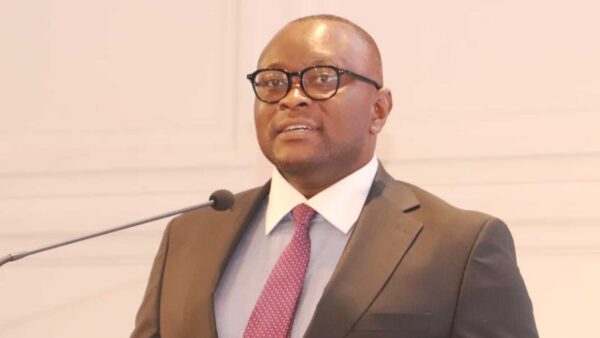
Speaking at the Traditional Chiefs Sensitisation Dialogue on the Rights and Recognition of Intersex Persons in Zimbabwe held in Harare on Thursday, Zimbabwe Human Rights Commission (ZHRC) chairperson Mr Anele Ndebele said chiefs have a critical role in promoting acceptance and protecting the dignity of affected people.
“As custodians of our customs, traditions and community values, you occupy a position of profound influence in shaping social attitudes, preserving human dignity and ensuring that no member of our communities is unjustly marginalised,” he said.
Mr Ndebele said intersex persons were born with gender characteristics that did not fit typical medical definitions of male or female bodies but misconceptions have resulted in stigma and exclusion.
“This is a biological reality, not a sexual orientation,” he said.
He said the ZHRC has addressed challenges faced by intersex persons through a national inquiry into access to documentation and subsequent advocacy initiatives.
“Our shared task is to ensure that constitutional guarantees of dignity, equality and non-discrimination translate into practical protection for all Zimbabweans,” he said.
Mr Ndebele said discussions on legal recognition including the appropriate gender marker on official documents should be conducted carefully as Government continued consultations and considered possible legal and policy reforms.
“The purpose of this gathering is not to pre-empt Government decisions but to deepen understanding, hear the experiences of intersex persons and contribute constructively to the processes already underway,” he said.
Intersex Community of Zimbabwe Trust director Mr Kudakwashe Murisa said legal recognition was central to efforts to address challenges affecting intersex people.
He said his organisation was engaging Government, policymakers and national human rights institutions to advance the rights of the intersex community.
“Our principles are bodily autonomy, informed consent, equality, privacy, non-discrimination and participation,” he said.
“Intersex persons are not a problem to be fixed; exclusion, stigma and harmful practices are the problems we must address,” he said.
He said traditional leaders could help prevent the abandonment, humiliation and abuse of intersex children while ensuring that affected families accessed healthcare, birth registration, education and protection services.
Mr Murisa also called for confidentiality when handling cases involving intersex persons and said individuals should not be exposed publicly or forced to explain their bodies to their communities.
“Let us move from awareness to practical protection, from silence to safe inclusion, and from commitments to measurable action,” he said.
Dr Norman Matara of the Zimbabwe Association of Doctors for Human Rights said intersex variations involved differences in sex characteristics, including chromosomes, hormones, internal reproductive organs and genitals.
He cited a United Nations estimate that up to 1,7 percent of people were born with intersex traits, meaning a community of 1 000 people could include up to 17 intersex persons.
Dr Matara said intersex variations were natural and should not be associated with witchcraft, curses or wrongdoing by parents.
He said intersex was distinct from sexual orientation, as it related to a person’s biological characteristics rather than whom they were attracted to.
“Intersex is about the body a person is born with, while being gay or lesbian is about who a person is attracted to,” he said.