Online Reporter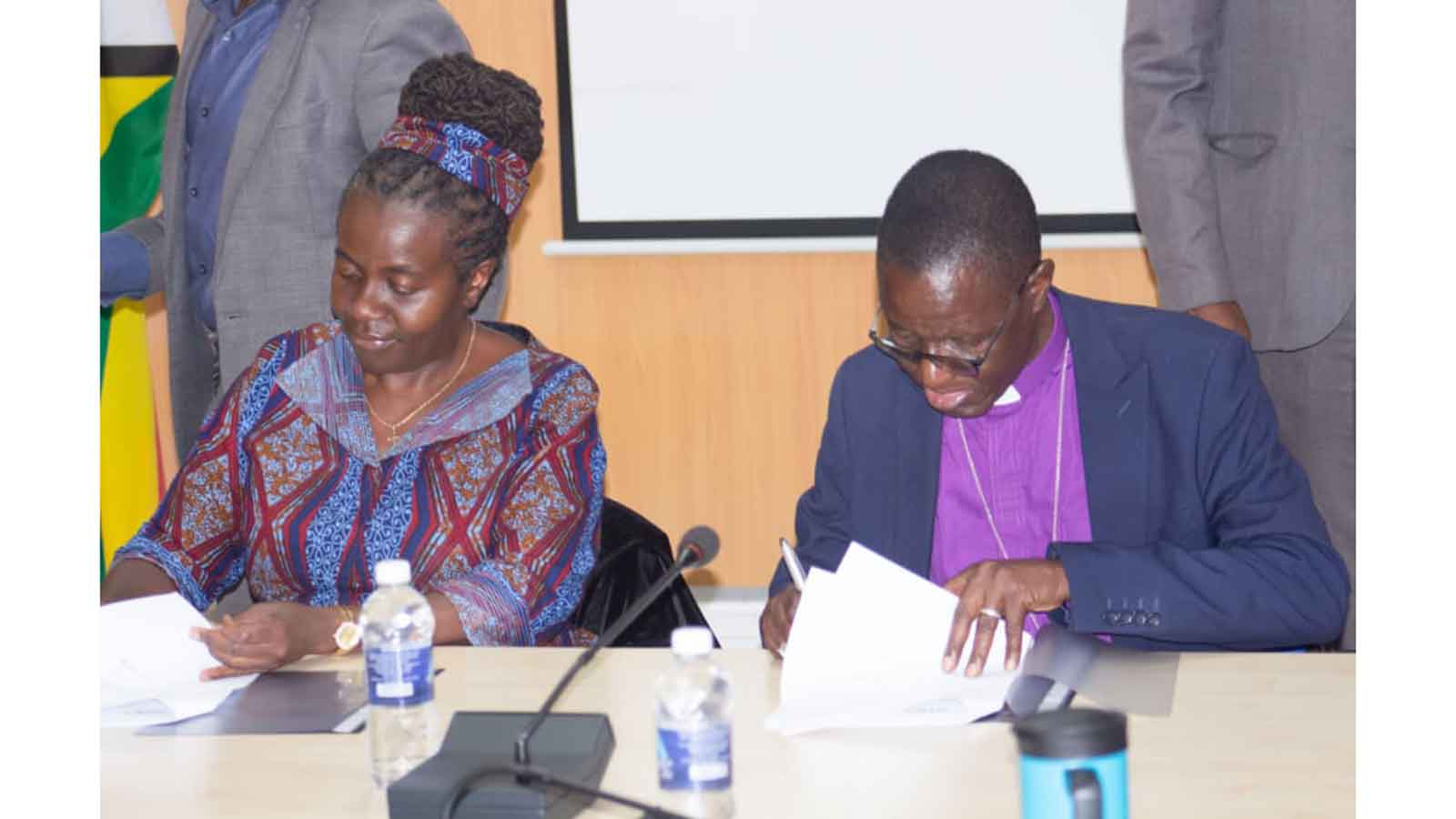
Obey Musiwa
Herald Reporter
The Zimbabwe Human Rights Commission (ZHRC) and the Zimbabwe Council of Churches (ZCC) have signed a Memorandum of Understanding (MOU) that formalises their collaboration to protect human rights and promote administrative justice.
The agreement sets out clear referral pathways, joint awareness programmes, and structured engagement designed to transform grassroots testimonies into nationally recognised evidence.
Speaking at the MOU signing ceremony held in Harare on Tuesday, ZHRC chairperson Ms Fungayi Jessie Majome said that the MOU formalises existing cooperation and strengthens case referrals from the church to the commission.
“The Memorandum of Understanding that we have signed with the Zimbabwe Council of Churches is a formal expression of our intention and of collaboration with each other,” she said.
“Its emphasis is on the Zimbabwe Council of Churches referring cases of either human rights violations or administrative justice violations to us,” said Ms Majome.
Ms Majome emphasised that churches provide ready audiences for human rights education and awareness.
“It will be strong on joint research as well as awareness raising of the public because the church already has audiences that are there for the promotion of human rights work,” she said.
“The more we know about our human rights, the more we can assert them.”
She said respecting rights is not only the responsibility of the State but of every citizen.
Both parties agreed that the MOU is not symbolic but a practical tool to deliver measurable outcomes for communities.
In this regard, Ms Majome emphasised the church’s role in fostering tolerance and harmony, linking it to Zimbabwe’s development goals.
“The church has the potential because it unites, it gets people from all sorts of different persuasions,” she said.
“Ultimately and inevitably, this contributes to the attainment of the national development strategy to the enjoyment of an upper middle economy status for Zimbabwe.”
ZCC general secretary, Rev Winfred Dimingu, described the agreement as a strategic instrument to operationalise shared values of dignity, justice, and accountability.
“The Memorandum of Understanding we have signed is not a ceremonial document, it is a strategic instrument deliberately crafted to operationalise our common commitment to human dignity, justice and accountability.
“It provides a clear framework through which our shared values are translated into coordinated and measurable action.”
He said ZCC’s grassroots presence and ZHRC’s constitutional mandate combine to form a powerful partnership.
“The Zimbabwe Council of Churches offers a unique grassroots presence that functions as an early warning and listening system within communities,” he said.
“The Zimbabwe Human Rights Commission brings a constitutional mandate, investigatory authority and established protection mechanisms.”
Rev Dimingu said the MOU’s focus is on protection, awareness, and strengthening the social fabric.
“Firstly, it will enhance the protection through a systematic referral mechanism by appointing dedicated institutional focal points.
“Secondly, it will amplify the awareness through shared expertise and lastly, strengthen the national social fabric through regular and structured engagement.”