Sidumisile Mabena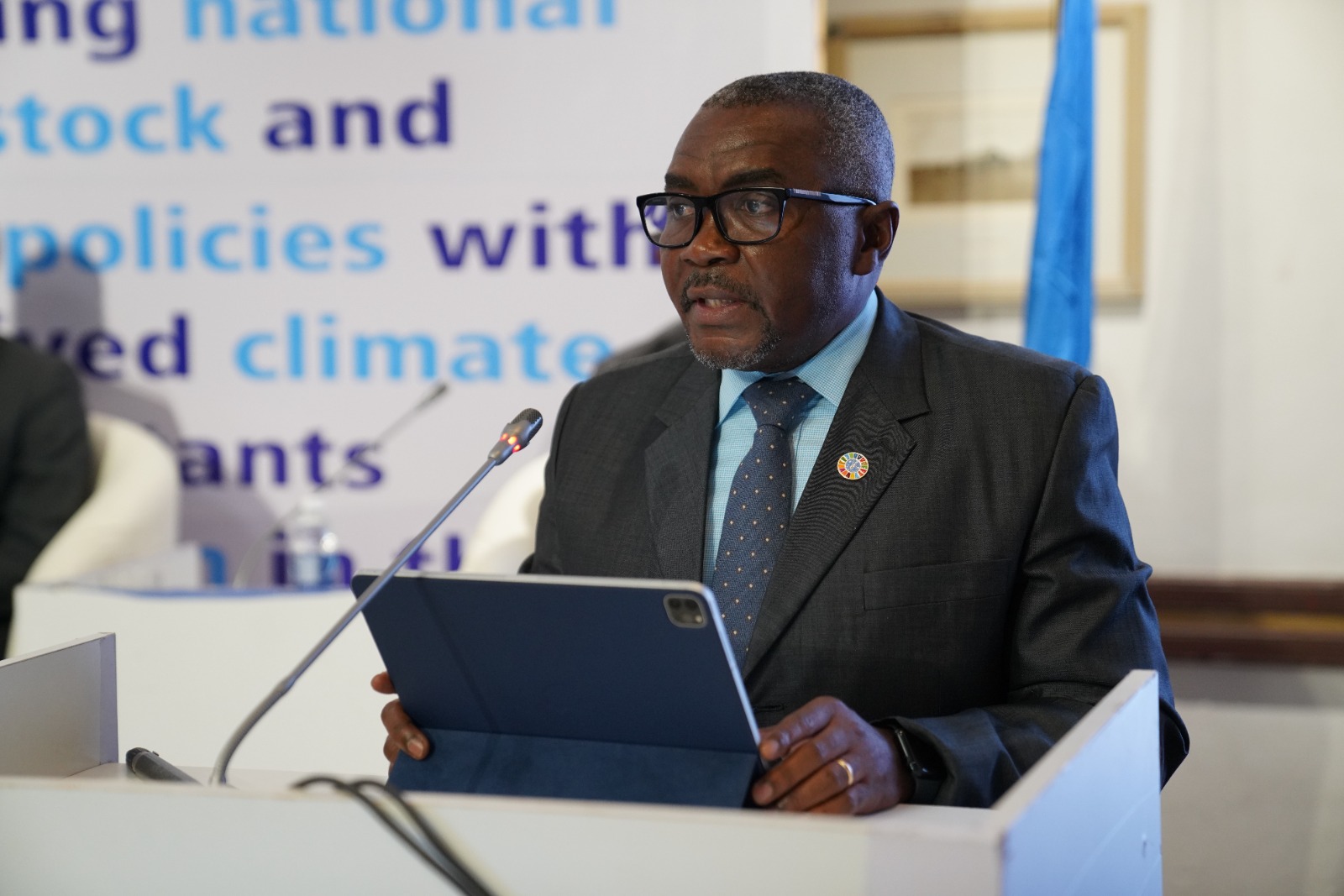
Theseus Shambare
ZIMBABWE has launched a US$400 000 livestock climate action project aimed at reducing methane emissions in the extensive beef sector, marking a significant step towards aligning agricultural production with national climate commitments.
Greenhouse gas (GHG) emissions are increasingly driving climate change, resulting in recurrent droughts, water stress and extreme weather events that continue to affect agricultural productivity and rural livelihoods across the country.
Methane, a short-lived climate pollutant, is among the major contributors to global warming and is largely generated through livestock enteric fermentation.
The project, funded by the Climate and Clean Air Coalition (CCAC) and implemented with technical support from the Food and Agriculture Organization of the United Nations (FAO), is running from December 2025 to December 2027.
In a side interview with journalists in Harare on the sidelines of the three-day workshop, Lands, Agriculture, Fisheries, Water and Rural Development Permanent Secretary Professor Obert Jiri said the livestock sector remains a key emission category that requires urgent mitigation measures.
“Our assessment shows that the livestock sector, particularly the beef sector, contributes 43,6 percent to methane gas emissions, which is the major contributor to our greenhouse gas emissions,” said Prof Jiri.
He said when combined with other methane sources, livestock remains the single largest contributor, making reform within the sector critical to meeting Zimbabwe’s climate targets.
“As we increase our livestock herds, we must come up with innovations that reduce those emissions. Our aim is to reduce emissions from the livestock sector by at least 20 percent under our Nationally Determined Contributions,” he said.
Zimbabwe’s NDC 3.0 commits the country to reducing methane emissions by at least 20 percent compared to the 2035 business-as-usual scenario.
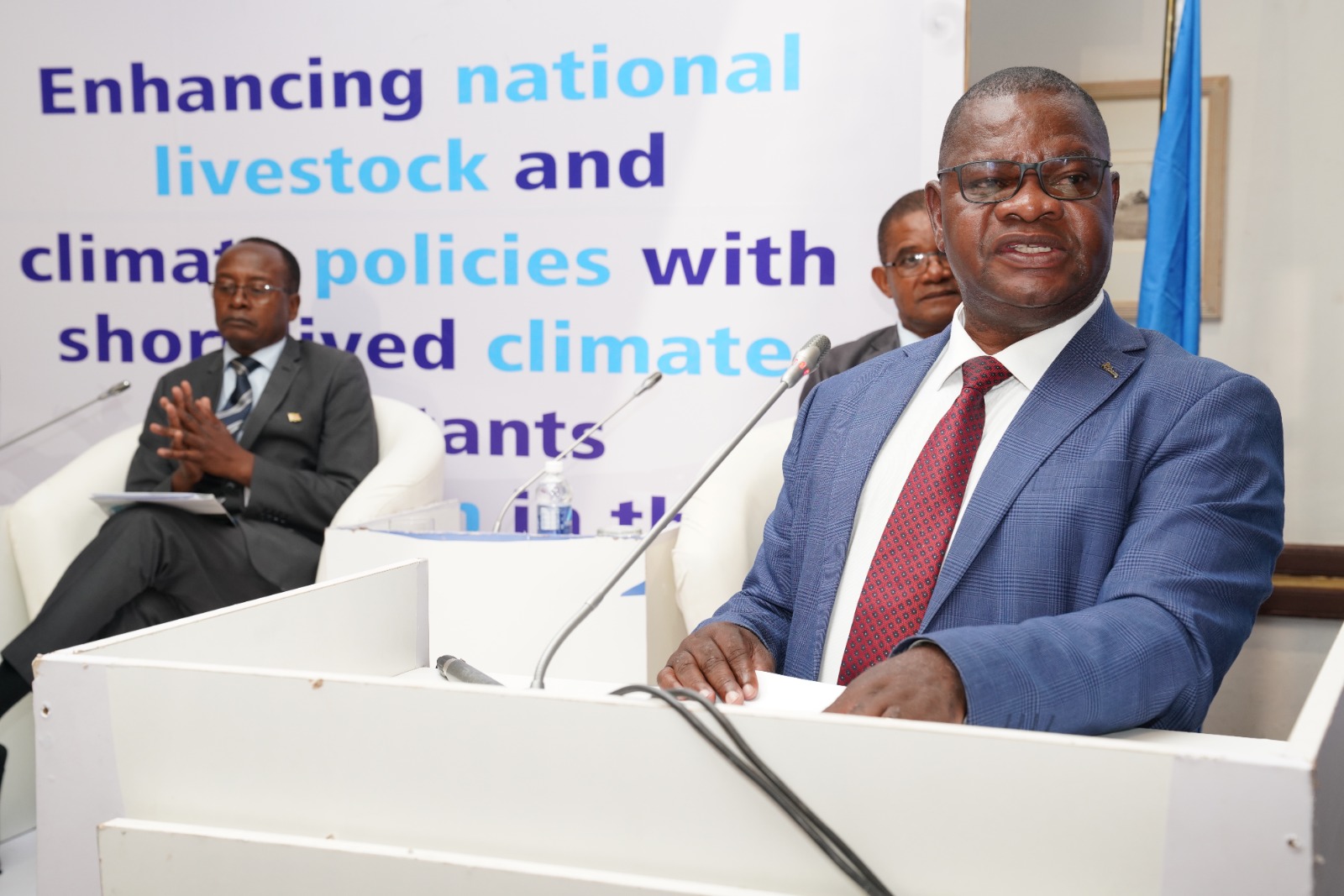
Representing Environment, Climate and Wildlife Permanent Secretary Tadeous Chifamba, Chief Director Washington Zhakata said the initiative aligns with Zimbabwe’s obligations under the United Nations Framework Convention on Climate Change and the Paris Agreement.
He said cattle enteric fermentation accounts for 43,6 percent of methane emissions, followed by burning in forestland and grassland at 31,1 percent, fuel combustion at 7,2 percent and solid waste disposal at 5,4 percent.
“The livestock sector is both an economic pillar and a key emission category. Strengthening our Measurement, Reporting and Verification systems is critical to meeting our international reporting obligations and tracking progress,” said Mr Chifamba.
Livestock contributes up to 43 percent of agricultural Gross Domestic Product and supports more than 60 percent of rural households who depend on cattle for income, nutrition, draught power and as a safety net.
FAO Representative in Zimbabwe and Subregional Coordinator for Southern Africa, Mr Patrice Talla Takoukam, said the project seeks to balance productivity and environmental sustainability.
“By focusing on mitigation of short-lived climate pollutants, particularly methane, in the extensive beef sector, the project directly contributes to national climate commitments and efforts to green the livestock value chain,” he said.
The programme will focus on climate-smart feeding regimes, improved animal health systems, better herd management and strengthened genetics to enhance productivity while lowering emissions.
Officials said the initiative also opens opportunities for mobilising future climate finance and exploring carbon market mechanisms, positioning Zimbabwe to build a more resilient and sustainable livestock sector in line with Vision 2030.


 Online Reporter