Online Reporter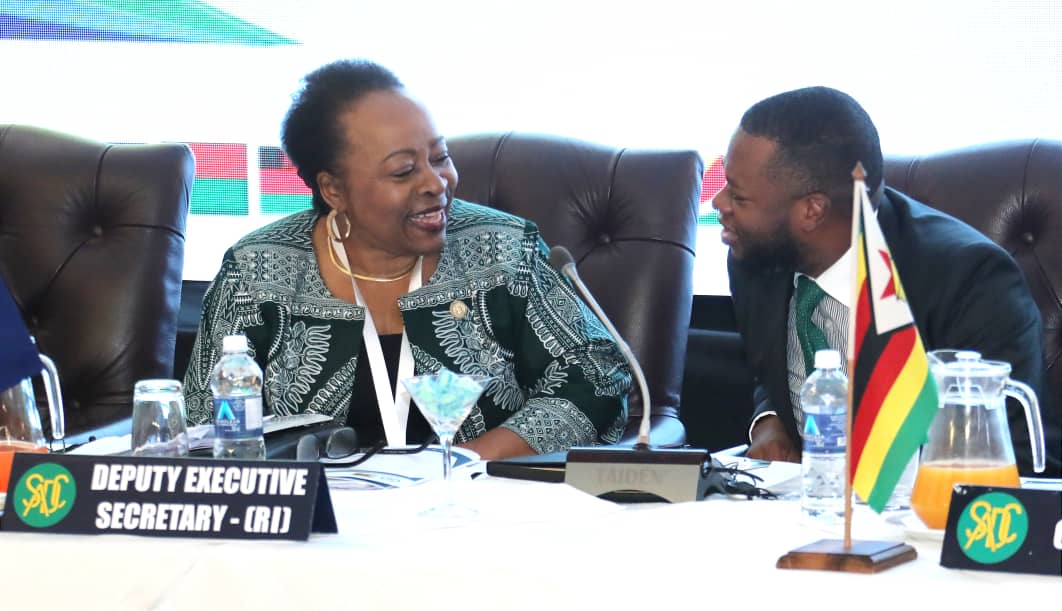
Rutendo Nyeve
ZIMBABWE has been commended by SADC for its efforts in modernising the national statistical system.
The country has successfully aligned its practices with regional and international standards, facilitating evidence-based policymaking and fostering economic growth.
In an interview with Zimpapers on the sidelines of the SADC Statistics Committee meeting in Victoria Falls on Tuesday, the regional bloc’s Deputy Executive Secretary for Regional Integration, Ms Angele Makombo N’tumba said the progress made is important for socio-economic planning.
“When we compare Zimbabwe to the 16 SADC Member states, we can say that Zimbabwe is on track in really improving its data collection and monitoring. As you know, without data, it is very difficult to make any planning and planning in the sector of social and economic development.
“So, we are happy to see the progress that Zimbabwe has been doing, and it is really showing to all the member states what needs to be done,” said Ms N’tumba.

Some of the initiatives implemented by Zimbabwe through the Zimbabwe National Statistics Agency (Zimstat) include modernising data collection and analysis, leveraging technology to enhance data quality and reduce processing times, prioritising cross-sectoral collaboration as well as the implementation of the maiden Economic census.
Speaking during the official opening of the SADC Statistics Committee meeting in Victoria Falls yesterday, the Deputy Minister of Finance, Economic Development and Investment Promotion David Kudakwashe Mnangagwa said all these efforts have enhanced data quality and reduced processing times as well as establish a robust foundation for consistent and non-duplicative statistics.

Deputy Minister Mnangagwa said in today’s data-driven world, national and regional statistical systems now play a key role.
“Zimbabwe remains committed to building a robust National Statistical System. Through ZIMSTAT, our national statistics agency, Zimbabwe has undertaken several transformative initiatives working closely with Line Ministries, academic experts and development partners. We have made significant strides in modernising data collection and analysis, leveraging technology to enhance data quality and reduce processing times.
“A notable example is the integration of Reproducible Analytical Pipelines (RAPs) into the Labour Force Survey and Quarterly Employment Inquiry, which has brought greater consistency and efficiency to the production of labour statistics. In the area of economic statistics, the adoption of Eurotrace and NADABAS has markedly improved the timeliness and reliability of both trade and GDP statistics,” he said.
As a result, Deputy Minister Mnangagwa said Zimbabwe now produces quarterly GDP estimates and can publish monthly consumer price indices within the same month of data collection, aligning the practices with international standards.