Obey Musiwa, recently in Manicaland
ZIMBABWE is assessing how climate hazards threaten communities and disrupt health services—from floods cutting off clinic access to extreme heat endangering patients and medicines—to inform its first Health National Adaptation Plan (HNAP).
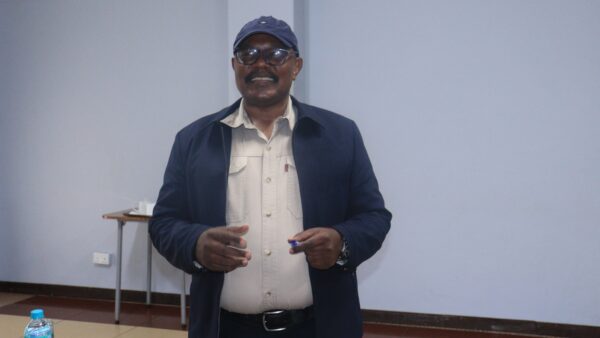
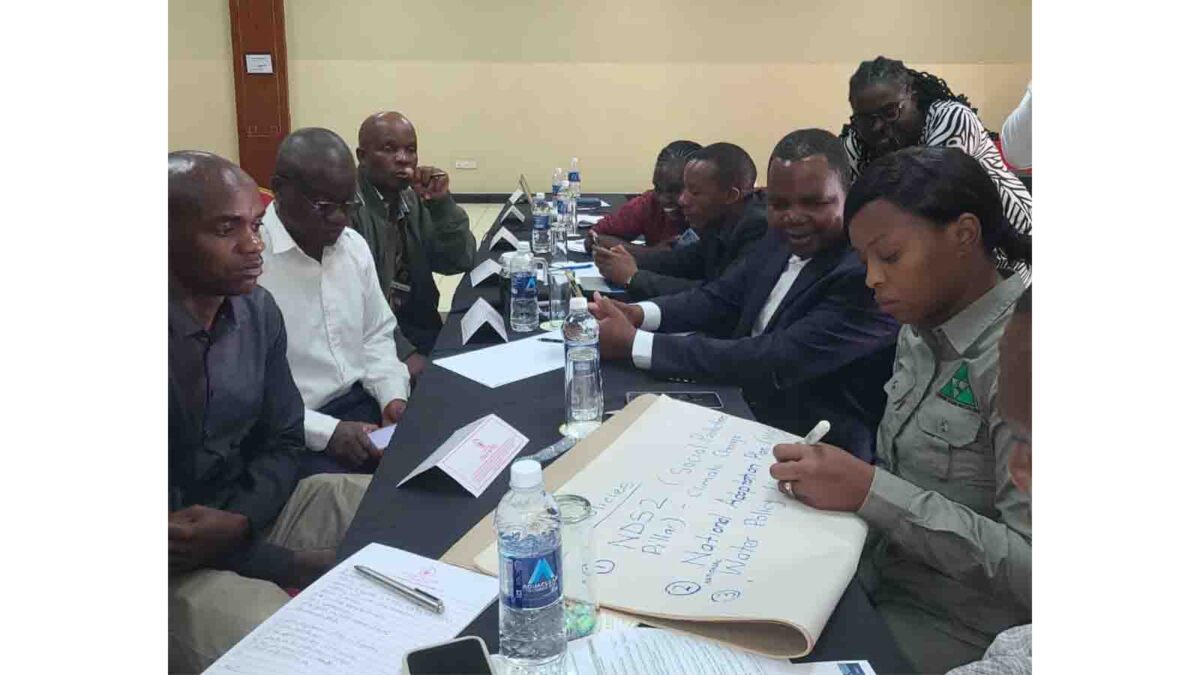
Speaking at a two-day National Multisectoral Consultative Workshop in Mutare on Tuesday last week, community representatives joined health, environment and meteorological specialists to identify vulnerable groups, evaluate gaps in existing protection measures and recommend district-level interventions.
The discussions form part of Zimbabwe’s inaugural Climate Change and Health Vulnerability and Adaptation (V&A) Assessment, convened by the Ministry of Health and Child Care alongside the World Health Organisation (WHO) African Region and CeSHHAR Zimbabwe’s Climate, Environment and Health Department, with support from the Global Fund.
Mutare is one of four consultations drawing input from all 10 provinces ahead of adaptation rollouts scheduled to begin in 2027.
Opening the workshop, Manicaland Provincial Medical Director Dr Munyaradzi Mukuzunga urged delegates to translate policy discussions into immediate, practical action within their homes and communities.
“It will be a disaster if you have participated in this, and your life is still the same a month from now. It is up to you, and it ultimately affects the whole country and the whole population,” he said.
“It is a call for us to say, do not think it is far away.”
Following WHO guidance, delegates mapped five primary hazards—flooding, extreme heat, cyclones, storms and hail—examining how exposure causes harm and where health systems fall short, such as when floodwaters cut off roads to an otherwise functional maternity unit.
CeSHHAR Zimbabwe’s Director of Climate and Health and Country Lead for the Southern Africa Climate and Health Science and Policy Centre, Ms Fortunate Machingura, who leads technical work on the assessment with WHO, said field evidence from Mt Darwin provided practical models for provincial teams.
“Through the Heat Adaptation for Pregnant Women and Infants programme, HAPI, women, families and health workers in Mt Darwin helped develop measures that paired heat alerts with practical support,” she said.
“These included cooling kits, community Heat Champions and drinking water at maternity facilities.
“Through the Heat Indicators for Global Health project, HIGH Horizons, we also examined how to track heat exposure and its effects on women, infants and health workers.
“We shared that evidence at the national workshops to give each province a starting point.”
Ms Machingura noted that early warnings alone are insufficient without ground-level support for pregnant women seeking antenatal care.
“Women can tell us where they are exposed. Midwives can explain how the clinic operates on its busiest days,” she said.
“Together, they can help a district decide where shade and water are needed and what to measure to see whether women are better protected.”
CeSHHAR Associate Social Scientist Dr Christine Chawhanda stressed that the assessment must capture real-world community disruption and prioritise clear risk communication.
“The biggest question that we have is, who is being affected? How are they being affected? And to what extent are their daily lives being disrupted?” she asked.
“If you have an adaptation strategy, but the community member is not aware of the adaptation strategy, it becomes difficult,” Dr Chawhanda said.
Chief Hatanyanga of Nyanga, Mr Edward Mapeta, recalled how many families struggled to recover after Cyclone Idai and urged planners to integrate local traditions and values into disaster response strategies.
“The four consultations will inform the national V&A assessment. Its findings will then guide the Health National Adaptation Plan, including decisions about which communities and services need protection first,” he said.