Online Reporter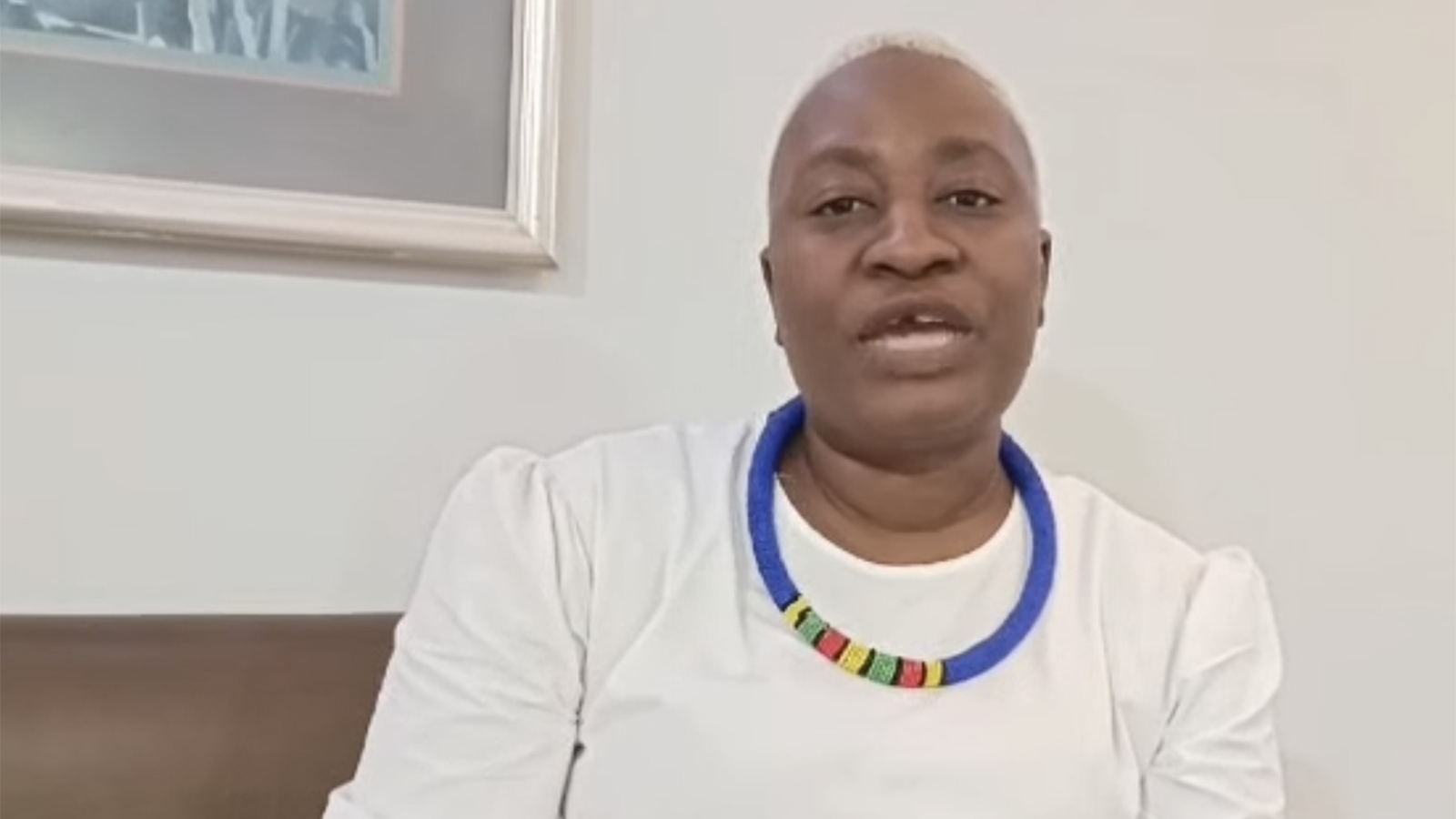
Peter Tanyanyiwa-Herald Correspondent
ZIMBABWE today joins the global community in commemorating the International Day of Universal Access to Information, with this year’s theme—“Ensuring Access to Environmental Information in the Digital Age”—placing a spotlight on the urgent need for inclusive, timely, and cross-border access to environmental data.
As the world marks the 10th anniversary of this United Nations-recognised day, local advocates are urging government and stakeholders to ensure that persons with disabilities are not left behind in the digital information revolution.
Despite progressive legal frameworks, including the 2013 Constitution and the Freedom of Information Act, many Zimbabweans with disabilities continue to face significant obstacles in accessing vital information.
These barriers are particularly acute in the context of environmental risks such as climate change, natural disasters, and pollution, where timely information can be a matter of survival.
A recent statement from Signs of Hope Trust, a leading disability rights organisation, highlights that for many persons with disabilities, access to information “remains more of an aspiration than a reality.” The organisation points to systemic barriers that have kept many out of school, resulting in widespread literacy challenges. Even where information is available, it is rarely provided in accessible formats such as Sign Language, Braille, Easy-to-Read, or audio. High data costs, unaffordable digital devices, and inaccessible websites further compound the exclusion .
Zimbabwe’s Constitution enshrines the right to information in Sections 61 and 62, while the country’s ratification of the United Nations Convention on the Rights of Persons with Disabilities (UNCRPD) in 2013 obliges the state to ensure equal access to information for all citizens . The Freedom of Information Act, enacted in 2020, was hailed as a major step forward, providing a framework for citizens to request and receive public information .
Ms Samantha Sibanda, founder of Signs of Hope Trust, commended the Government’s progress but stressed that “laws alone are not enough.”
In an interview, she said: “We applaud the Government for enacting the Freedom of Information Act, which has enabled organisations like ours to produce resources such as the Database of Community Information Centres. But for many people with disabilities, the reality is that information about environmental risks and climate change is still out of reach. Accessibility must be at the heart of all communication efforts.”
The digital age has brought new opportunities for information sharing, but it has also deepened the divide for marginalised groups. The Universal Service Fund (USAF), established to promote affordable ICT access, has made strides in expanding connectivity to rural and underserved areas . However, advocates say more must be done to ensure that the fund specifically addresses the needs of persons with disabilities, including lowering data costs and supporting the development of accessible digital platforms .
“The Universal Service Fund should prioritise making data and devices affordable for persons with disabilities. Without targeted interventions, the digital divide will only widen, and people will continue to be excluded from life-saving environmental information.”
The theme of this year’s International Day underscores the critical importance of environmental information in the face of climate change and disaster risks. For persons with disabilities, lack of access to such information can have devastating consequences.
“Access to information is not a privilege—it is a human right, and it is vital for survival and dignity,” said Ms. Sibanda. “When disaster strikes, people with disabilities are often the last to know and the hardest hit. We need environmental communication that is accessible to everyone, in every format, and in every language.”
Signs of Hope Trust is calling on the government and all stakeholders to:
– Provide all environmental communication in accessible formats, including Sign Language, Braille, Easy-to-Read, and audio.
– Ensure the Universal Service Fund (USAF) prioritises lowering data costs and improving ICT access for persons with disabilities.
– Develop accessible websites and digital platforms in line with global accessibility standards.
– Strengthen cross-border collaboration to share environmental information in ways that leave no one behind.