Debra Matabvu
Senior Reporter
Zimbabwe has moved closer to adopting the Zimbabwe Gold (ZiG) as its sole currency after the Reserve Bank of Zimbabwe (RBZ)’s conditions-precedent score improved to 54.9 percent in September from 50.1 percent in August.
The improvement was driven mainly by increased foreign currency reserves and relatively subdued inflation, with the country’s reserves rising to US$1.9 billion by the end of September.
However, the RBZ said that the higher score does not signal an imminent end to the multi-currency system, saying the transition to a mono-currency regime will be determined by economic conditions rather than a fixed date.
The central bank has identified eight conditions that must be met before Zimbabwe can sustainably transition from the current multi-currency system to the sole use of the ZiG.
Six of the eight conditions have so far been achieved.
In its latest snapshot of monetary, currency, price and financial developments for the third quarter of 2026, the RBZ said the overall conditions-precedent score had risen to 54.9 percent, reflecting progress across the indicators considered necessary to support the transition.
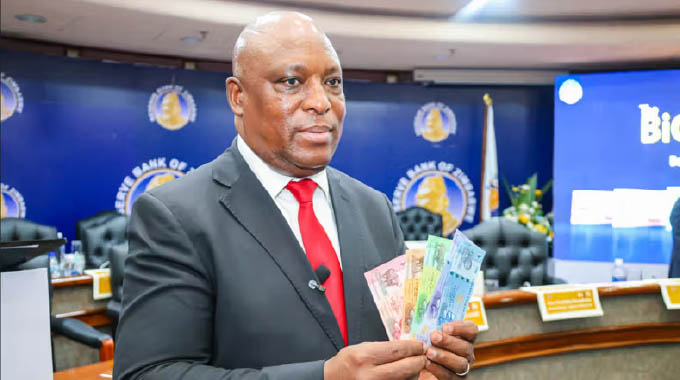
RBZ Governor Dr John Mushayavanhu, said the score was an objective measure of progress towards meeting the conditions and should not be interpreted as a signal that the country was about to abandon the multi-currency system.
“The overall weighted score of 54.9 percent was determined by a weighted average of progress on each of the CPs, with the weights reflecting the overall importance of each CP supporting the transition to mono-currency,” he said.
“Importantly, the barometer seeks to provide an objective and indicative measure of the status of achievement of the CPs and does not signal an immediate transition to mono-currency, which remains a market-driven process.”
Dr Mushayavanhu said the transition would be “conditions-based and not date-dependent”.
The latest improvement comes as the authorities point to greater stability in the foreign exchange market and strengthening reserves as key indicators of progress.
During the third quarter, the ZiG traded relatively steadily between ZiG25 and ZiG27 against the US dollar, while the parallel-market premium narrowed to below 15 percent.
Foreign currency reserves increased to US$1.9 billion by the end of September, strengthening the country’s capacity to support currency stability.
Annual inflation, however, increased to 3.7 percent in September from 2.9 percent in August.
The central bank also said reserve money growth remained within the targets agreed with the International Monetary Fund under the ongoing 10-month Staff Monitored Programme.
Reserve money stood at an estimated ZiG7.5 billion at the end of September, which was within the agreed programme targets.