Online Reporter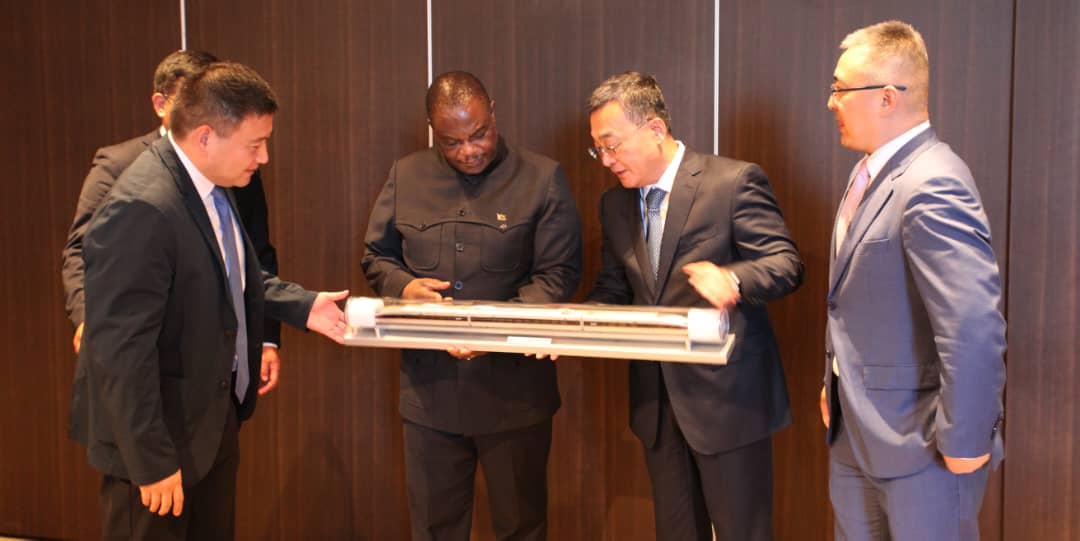
Kuda Bwititi in Beijing
VICE-PRESIDENT Dr Constantino Chiwenga’s visit to China, where he attended the 2026 China International Fair for Trade in Services (Ciftis), comes at a critical time in Zimbabwe’s development journey. His participation at the prestigious event represents more than a diplomatic engagement.
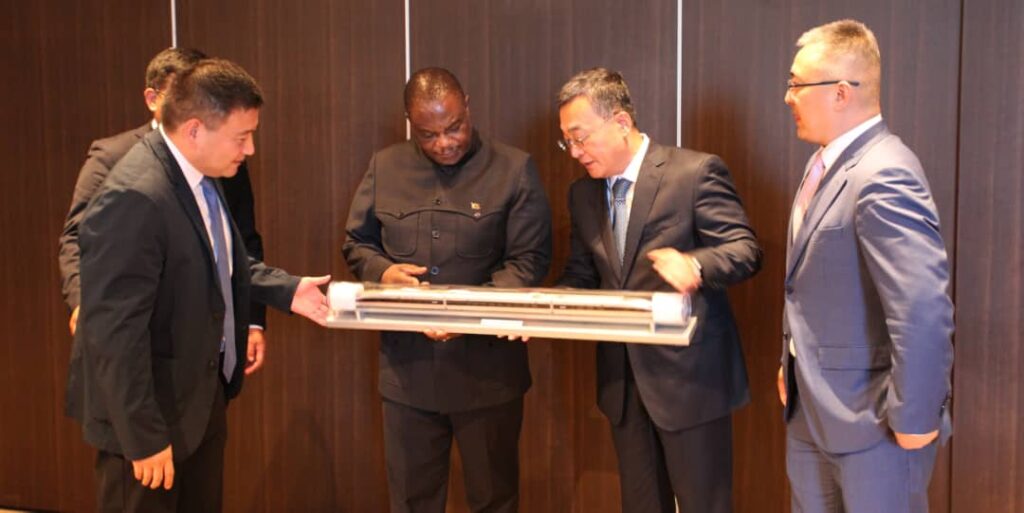
It provides an important opportunity to translate the long-standing friendship between Harare and Beijing into tangible economic benefits for Zimbabwe.
On Wednesday, the Vice-President met Chinese Vice-Premier Ding Xuexiang on the sidelines of the fair, reinforcing the high-level political support underpinning relations between the two countries.
Such engagements are crucial as Zimbabwe seeks to accelerate economic modernisation under the Second Republic.
Ciftis is one of the world’s leading platforms for trade in services and aligns closely with Zimbabwe’s ambitions to build a modern, diversified and competitive economy. With a strong focus on innovation, digitalisation and knowledge-driven industries, the fair offers valuable lessons and opportunities for Zimbabwe as it seeks to transform both its industrial and services sectors.
The global economy is changing rapidly. Growth is increasingly being driven not by traditional goods alone, but by digital services, innovation and technology-based solutions. Recognising this shift, the Second Republic, under President Mnangagwa, has broadened its economic focus to strengthen the services sector alongside traditional industries.
Against this backdrop, the Beijing fair provides Zimbabwe with an important platform to identify new opportunities, expand export capacity and attract investment into critical sectors such as technology, finance, tourism, education and healthcare. More than an exhibition, Ciftis is a window into the future of global trade, where knowledge and innovation are becoming key drivers of economic growth.
One of the major themes emerging from this year’s fair is the growing importance of knowledge-intensive services. Sectors such as intellectual property, financial services, transport and telecommunications are becoming increasingly important contributors to economic growth.
For Zimbabwe, this creates significant opportunities to diversify its economy and move up the value chain.
The participation of more than 1 800 companies, including nearly 500 Fortune Global 500 firms, provides Zimbabwean delegates with opportunities to establish partnerships capable of facilitating technology transfer and investment.
The growing integration of big data, cloud computing and artificial intelligence into modern commerce offers Zimbabwe powerful tools to modernise both public and private sector operations.
These technologies have the potential to transform sectors ranging from healthcare and insurance to education, agriculture and social services, while creating new, high-value employment opportunities.
Traditionally, international trade has been dominated by the exchange of physical goods. However, the current fair highlights a significant shift, with companies increasingly exporting integrated solutions, technologies and specialised services rather than products alone.
Zimbabwe can draw important lessons from this evolution.
The success of China’s aviation maintenance industry, which has developed world-class facilities and secured numerous international certifications, demonstrates the value of investing in expertise, innovation and specialised services.
As Zimbabwe pursues industrialisation, similar approaches could be applied to manufacturing and other productive sectors. Rather than focusing solely on importing machinery and equipment, there is value in pursuing partnerships that facilitate the transfer of technology, technical skills and intellectual property.
Such an approach aligns with the country’s broader goals of beneficiation and value addition, ensuring that Zimbabwe becomes an active participant in production and innovation rather than merely a consumer of imported technologies.
The fair also features a dedicated exhibition zone showcasing advanced services and technologies from around the world.
Notably, almost 40 percent of the featured innovations incorporate artificial intelligence, large language models and intelligent systems in areas such as legal services, digital trade, cultural tourism and emerging technologies.
Access to these innovations could prove particularly beneficial for Zimbabwe.
The country possesses several advantages, including a strategic location within Southern Africa, a youthful and educated population and abundant natural and cultural resources. These strengths provide a solid foundation for expanding the services sector and increasing competitiveness.
While tourism remains one of Zimbabwe’s strongest service exports, attention must also be directed towards transport, financial services, professional services, digital trade and emerging technology industries.
By adopting some of the digital and artificial intelligence solutions showcased in Beijing, Zimbabwe could significantly expand its services exports and create new economic opportunities beyond the traditional commodity sector.
Another critical aspect of the Vice President’s visit is the political support underpinning economic cooperation between the two countries.
The engagement between Vice President Chiwenga and Vice Premier Ding Xuexiang sends a strong signal that Zimbabwe-China relations continue to enjoy support at the highest levels.
This provides a favourable environment for deeper economic cooperation, technology transfer, skills development and joint ventures.
China’s commitment to expanding international cooperation aligns well with Zimbabwe’s National Development Strategy and Vision 2030 aspirations. Strong political relations often create the confidence necessary for long-term investment and sustainable economic partnerships. The broader programme of engagements being undertaken by the Zimbabwean delegation is also expected to open doors for new business partnerships capable of bringing capital, expertise and modern technologies into the economy.
Equally important is the emphasis being placed on green development and sustainable technologies.
As countries around the world seek cleaner and more efficient ways of producing goods and services, Zimbabwe must ensure it remains competitive.
The innovations on display in Beijing provide practical examples of how technology can support sustainable agriculture, mining, manufacturing and energy production.
Exposure to advances in environmental protection and energy efficiency could help Zimbabwe strengthen productivity while meeting growing global expectations around sustainability and climate resilience.
Ultimately, the 2026 China International Fair for Trade in Services is more than a trade exhibition.
It offers Zimbabwe an opportunity to accelerate its economic transformation agenda by embracing innovation, digitalisation and knowledge-based growth.
The partnerships, ideas and technologies showcased in Beijing have the potential to support
Zimbabwe’s transition towards a higher-value, technology-driven economy.
As the Second Republic continues to pursue industrialisation and modernisation, the lessons emerging from Ciftis could play an important role in helping the country achieve Vision 2030.
By leveraging its strong relationship with China and embracing the opportunities presented by the global services economy, Zimbabwe can position itself to benefit from the next wave of economic growth. In doing so, it will not simply be observing the future of global trade, but actively shaping its place within it.