

 Online Reporter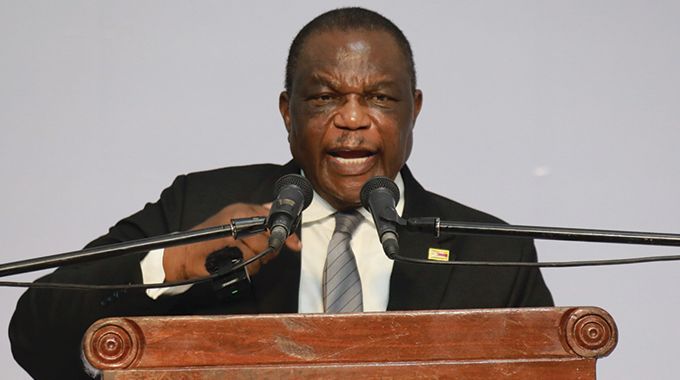
Nqobile Bhebhe, Zimpapers Business Hub
VICE-PRESIDENT General (Retired) Dr Constantino Chiwenga says Zimbabwe could position itself at the heart of the Fourth Industrial Revolution by leveraging surging global demand for critical minerals, but must step up investment in exploration to unlock the full value of its mineral wealth.
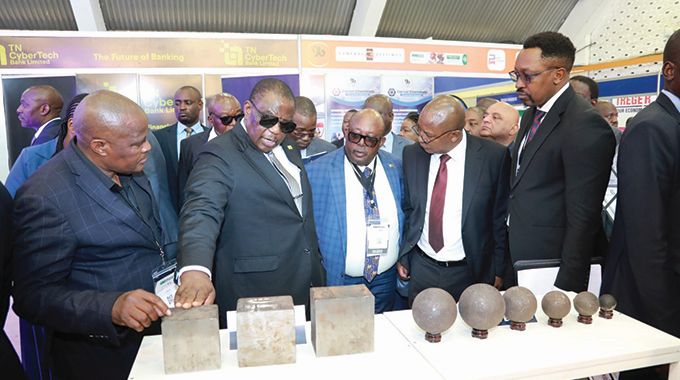
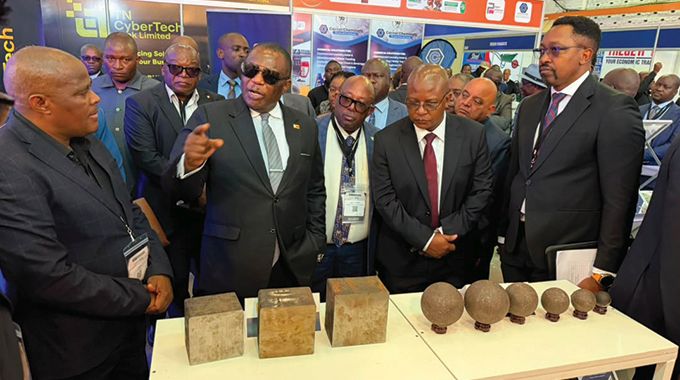
Addressing delegates at the inaugural Exploration Symposium at the 29th edition of Mine Entra in Bulawayo yesterday, he said critical minerals have become strategic resources underpinning technological advancement, clean energy and modern industrial development.
This comes as Zimbabwe is determined to transform its mineral endowment into a catalyst for economic growth through innovation, investment and responsible resource management.
“The theme is more than a conference but a declaration of Zimbabwe’s national intent as it recognises that decisions taken today regarding exploration, technology, investment, skills development and responsible resource management will shape the future of the mining industry for generations to come,” said VP Chiwenga.
“Global demand for critical minerals is rising as nations accelerate towards the Fourth Industrial Revolution.
“Critical minerals now underpin digital transformation, advanced manufacturing, artificial intelligence, electric mobility and clean energy. Those who secure these resources today will lead tomorrow’s global economy.”
VP Chiwenga said Zimbabwe’s mineral endowment places the country in a favourable position to participate in the emerging global mineral economy.
Zimbabwe holds a vast endowment of these critical minerals and rare earth elements, which presents a historic opportunity to participate in the Fourth Industrial Revolution.
“We cannot benefit from resources that remain undiscovered, poorly understood or inadequately quantified,” he said.
Critical minerals are naturally occurring resources regarded as essential to modern economies because of their role in strategic technologies and the risk of supply disruptions.
They are key inputs in electric vehicle batteries, semiconductors, renewable energy technologies, artificial intelligence applications and other advanced industrial systems.
Zimbabwe has significant deposits of critical minerals, including lithium, platinum group metals, graphite, nickel, cobalt and rare earth elements, positioning the country as a potential supplier to global value chains.
As such, VP Chiwenga said the Exploration Symposium provided a platform for Government, industry, investors, researchers and financiers to develop strategies to strengthen exploration and maximise the value of mineral resources.
As mining remains a central pillar to the country’s ambition of achieving an upper middle-income economy under Vision 2030 and the National Development Strategy 2 (NDS2), VP Chiwenga said Government was implementing reforms aimed at creating a transparent and investor-friendly mining environment.
“The Mines and Minerals Act provide a legal foundation for exploration, ensuring that all mineral rights are vested in the State and managed transparently through prospecting licences and special grants,” he said.
To strengthen this framework, Government has tabled the Mines and Minerals Amendment Bill, now before Parliament, which introduces modern reforms including a digital mining cadastre, streamlined licensing, enhanced environmental safeguards and clearer community benefit frameworks.

While progress had been recorded under NDS1, significant opportunities remain untapped due to large areas that were still underexplored.
“New mining operations have commenced production, some previously dormant mines have resumed operations and value addition initiatives are gaining momentum across several mineral value chains,” said the Vice President.
“Yet vast opportunities remain untapped, with large areas under-explored and many geological data sets requiring modernisation.”
He emphasised increased investment in geological mapping, airborne surveys, drilling, laboratory services and digital geological databases while commending the Geological Survey Department for providing critical scientific information to guide exploration decisions.
Progress towards implementing the Computerised Mining Cadastre System would further improve transparency in the sector.
“Once fully operational, this important reform will digitise more than sixty thousand mining titles, significantly reducing overlapping claims, improving administrative efficiency and enhancing transparency across the sector,” he said.
“In the stages of the mining value chain, discoveries require sustained investment, long before commercial production begins.”
Acknowledging the risks associated with exploration, VP Chiwenga said the potential returns justified increased investment.
“We say in this conference, Zimbabwe is a mine. So if you do it well, a mine is the entire country.
“You might fail to get gold, but you might get diamonds. If you cannot get diamonds, you get copper or nickel and so the list is endless,” he said.
VP Chiwenga said increased exploration would support discoveries, replenish depleted reserves, extend mine lifespans, stimulate downstream industries and strengthen long-term economic growth.
“Exploration companies must continue to uphold the highest standards of corporate governance, transparency, technical reporting and environmental responsibility,” he said.
The symposium was held under the theme: “Unearth, Transform, Prosper: Anchoring Economic Transformation through Mining Value Chains”. It brought together Government officials, exploration experts, geologists, mining executives, investors, financial institutions and development partners.




 Blessing Chizhande