Prosper Ndlovu in WINDHOEK, Namibia
ZIMBABWE and Namibia are laying the groundwork for a major diplomatic milestone that could give fresh impetus to trade, investment and broader economic cooperation between the two neighbouring countries, with consultations underway for the inaugural session of their Bi-National Commission.
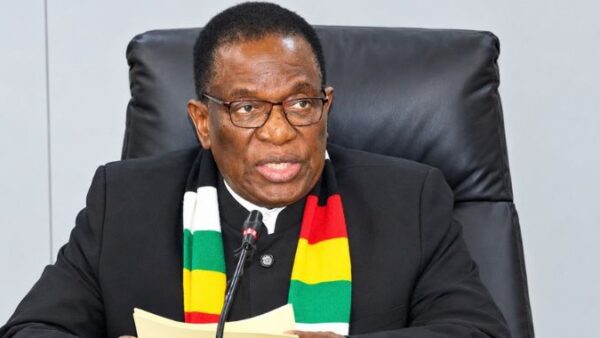
The commission, which will be co-chaired by President Mnangagwa and his Namibian counterpart, President Netumbo Nandi-Ndaitwah, is expected to provide a high-level platform for the two countries to deepen cooperation across key sectors and translate their longstanding political ties into greater economic engagement.
Speaking at a Zimbabwean trade mission and business engagement here, Zimbabwe’s Ambassador to Namibia, Ms Melody Chaurura, yesterday said preparations for the inaugural meeting were already underway. She said the elevation of bilateral relations from a Joint Permanent Commission to a Bi-National Commission marks an important step towards strengthening cooperation between the two countries.
The two countries elevated their bilateral mechanism to a Bi-National Commission in May 2021.
Amb Chaurura said consultations on convening its inaugural session were continuing with positive progress.
The development comes as Zimbabwe intensifies its economic diplomacy drive, with Harare seeking to use foreign relations to expand export markets, attract investment, promote tourism and create opportunities for Zimbabwean businesses.
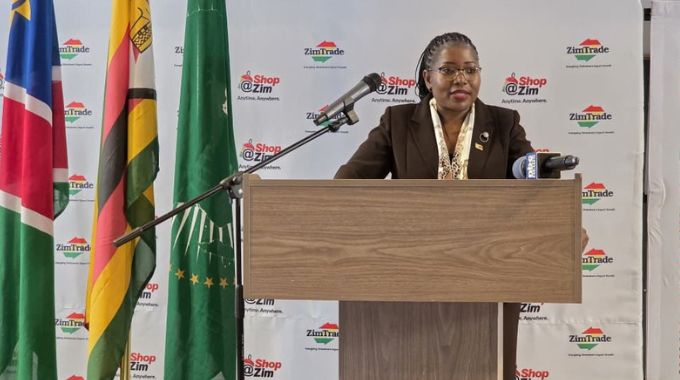
Amb Chaurura said the initiative fitted squarely into Zimbabwe’s foreign policy thrust under President Mnangagwa, which places economic diplomacy at the centre of the country’s international engagement.
She said Zimbabwe is open for business, stressing that economic diplomacy was aimed at facilitating trade, investment, international tourism and economic collaboration with countries across the region and beyond.
“A decision was made in 2021 to elevate the cooperation between Zimbabwe and Namibia from a Joint Permanent Commission level to a Bi-National Commission level. The difference is that the Bi-National Commission level is chaired by the two Heads of State,” Amb Chaurura explained.
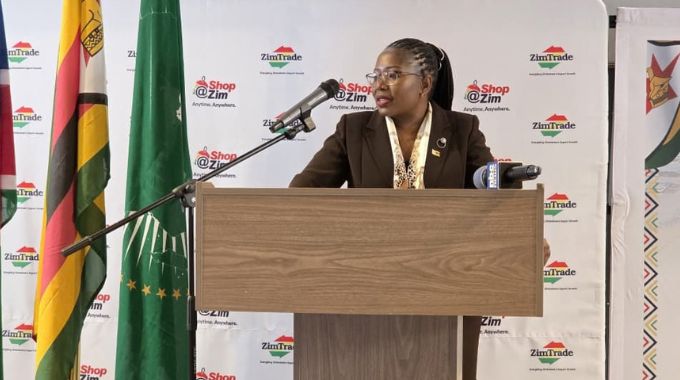
“This naturally presents a good opportunity to have issues of cooperation between the two sides discussed at the highest level. It will be chaired by His Excellency, the President Dr ED Mnangagwa and from the Namibian side it will be chaired by Her Excellency President Nandi-Ndaitwah.
“So, naturally this elevates conversations and this makes implementation much easier and also much faster. So, we are very happy and excited about this development.”
Amb Chaurura said consultations ahead of the high-level engagement were going on well and expressed optimism that all could be settled by the first quarter depending on schedules from both sides.
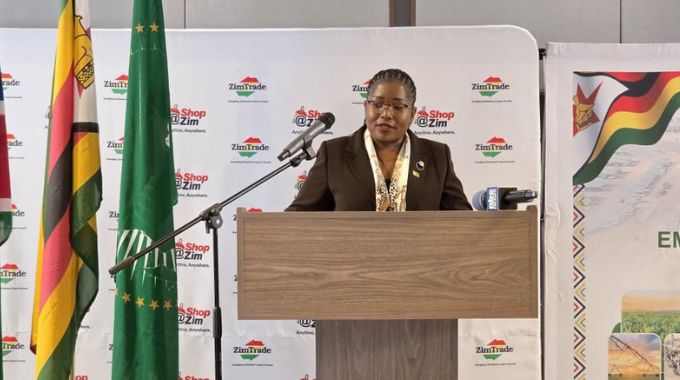
“But what I’m happy about is that we already have a mid-term review, which has been confirmed for the 18th and 20th of November.
“This is already setting the stage for the convening of the inaugural session of the Bi-National Commission. I can say preparations are smooth sailing,” she said.
The ambassador’s remarks point to an increasingly commercial dimension to Zimbabwe-Namibia relations, with the private sector expected to play a central role in giving practical effect to the political commitments between the two governments.
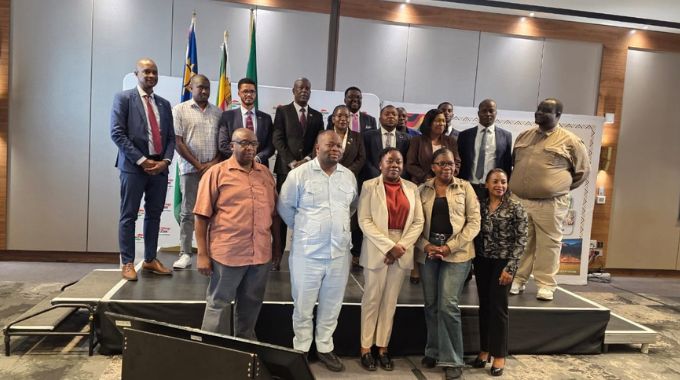
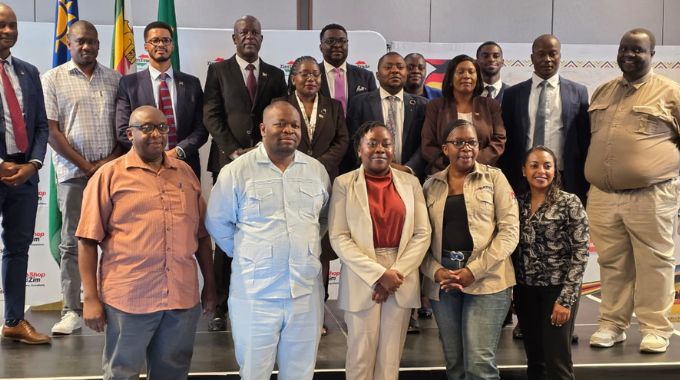
The ongoing trade mission to Windhoek has brought Zimbabwean businesses from sectors including agriculture, beverages, education, engineering, fast-moving consumer goods, stock feed, horticulture and logistics to explore opportunities in the Namibian market.
Amb Chaurura said the mission was intended to connect Zimbabwean companies with Namibian buyers, importers, distributors and other business stakeholders, while also helping Zimbabwean exporters understand market requirements, distribution channels, regulations and priority sectors.
The ultimate objective, she said, was to turn business-to-business engagements into market access, strategic partnerships and export opportunities.
The timing of the initiative is significant as the two countries seek to build on longstanding political and historical relations while responding to changing economic opportunities in the region.
Zimbabwe and Namibia share deep ties dating back to the liberation struggle, when their nationalist movements cooperated in the fight against colonial rule. Amb Chaurura said that history provided a strong foundation on which the two countries could build mutually beneficial economic relations.
Namibia offers Zimbabwe access to Atlantic trade routes through the Port of Walvis Bay, while Zimbabwe brings a diversified industrial and agricultural base, as well as expertise in areas including mining, manufacturing, engineering, construction, education and agro-processing.
Amb Chaurura said Namibia’s granting of land to Zimbabwe to establish a dry port in Walvis Bay was an example of practical cooperation meant to strengthen the two countries’ economic relations.
The facility provides Zimbabwe with an additional logistical link to markets connected to the Atlantic and West Africa, reinforcing the strategic importance of Namibia as a trading partner.
At the same time, Zimbabwe’s industrial, agricultural and professional services capabilities could complement Namibia’s requirements in areas such as food production, irrigation, infrastructure and engineering. Agriculture is one area where the two countries have identified considerable scope for cooperation.
Hopes are high that Namibia’s efforts to strengthen food security, expand irrigation and improve infrastructure could create opportunities for Zimbabwean companies with expertise in irrigation systems, engineering, construction and other such services.
Meanwhile, Amb Chaurura has urged Zimbabwean businesses to look beyond traditional export markets and consider establishing a presence in Namibia, while encouraging Namibian companies
to form partnerships with Zimbabwean firms.
She said such partnerships could unlock opportunities for growth, job creation, economic empowerment and development in both countries.
The anticipated Bi-National Commission provides a potentially broader institutional framework for these ambitions. Unlike individual trade missions or business forums, the commission brings together government-to-government engagement at the highest level and can provide a mechanism for monitoring bilateral agreements, identifying barriers to trade and investment, and coordinating cooperation across multiple sectors.
For Zimbabwe, this fits into a wider effort to make diplomacy more directly supportive of economic objectives while for Namibia, the engagement comes against a foreign-policy backdrop that similarly emphasises stronger African trade and business partnerships.
“Together, our two sister countries can enhance economic development in our respective countries through trade,” said Amb Chaurura.
As consultations continue towards the inaugural session, delegates said the trade mission in
Namibia is already demonstrating the type of private-sector engagement that could give substance to the commission’s economic agenda.