admin
admin
Prosper Ndlovu in Victoria Falls
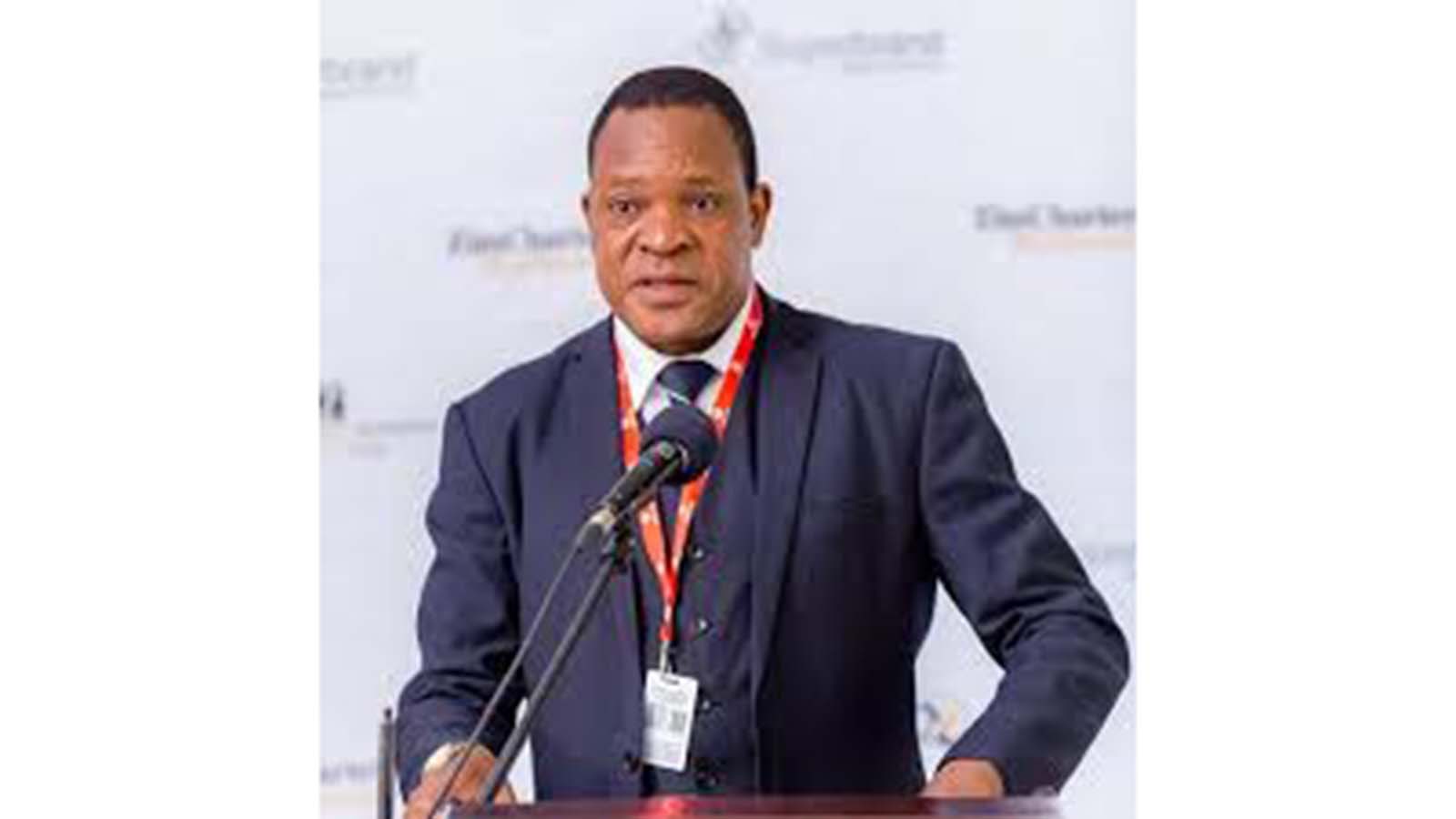
ZIMBABWE needs to adopt a private sector-led agriculture management system that is anchored on modern technology to boost its food reserves and retain its status as Southern Africa’s breadbasket, an expert said yesterday. Speaking during the ongoing Buy Zimbabwe Summit here, former Zambian Cabinet Minister and executive director of Indaba Agriculture policy research Institute, Chance Kabaghe, said Zimbabwe has many comparative advantages in agriculture — a critical sector of the country’s economy.
Zimbabwe has been facing suppressed agricultural production in the past few years due to a myriad of challenges ranging from lack of funding for farmers, poor mechanisation, influx of cheap imports and brain drain.
The visiting Zambian expert said Zimbabwe has great potential to turnaround the economy through boosting agricultural production.
“Zimbabwe has the best land for agriculture and it’s unfortunate that we’re taking this for granted. You’re endowed with such rare resources including a skilled human capital. Unfortunately out of your slackening, Zambia is taking over and you now import grain from us, it’s now reverse osmosis,” said Kabaghe.
“You need to invest more in agriculture agro-processing to achieve the green revolution. You’re sitting on vast tracks of land and we need to produce at the level of Indians and Chinese who feed millions from a small piece of land and still remain with surplus.
Added Kabaghe: “If you want to revolutionise agriculture, make sure your markets are private sector led because as governments, we’ve a lot of inefficiencies. Technology is extremely important and that’s what is pushing agriculture growth in Asia. There’s also a need for a vibrant input support programme and well equipped extension services.”
He said while Zimbabwe has distinguished itself in terms of good policies and plans, its major weakness is failure to implement its programmes efficiently to achieve the desired goals.
“Zimbabwe is good at aiming for years and not shooting. What’s missing here is action. It would be sad that out of this good summit you meet again next year discussing the same things. You don’t need to fear ministers, they’re your servants. Tell them what you want as private sector, come up with good resolutions and demand the trigger go.”
The director challenged the private sector to take lead in championing agricultural production growth and organise themselves to influence positive policy formulation.
He said this was critical in assisting politicians, who have little understanding of the essence of agriculture as they often change policies before they are even implemented.
Kabaghe also called for positive political will in reforming the agriculture sector and ensuring that Zimbabwe regains its lost food production status.
He, however, commended Zimbabwe for the Buy Zimbabwe initiative, which he described as an excellent move towards rebranding the country as an economic force in the region.
Kabaghe said companies such as Seedco, continue to propel the country’s image as a prime brand of seed production across the globe and stressed the need to lure back skilled professionals who left the country at the height of the economic meltdown. He said they needed to be re-engaged in order to revamp the economy.


 Online Reporter