Online Reporter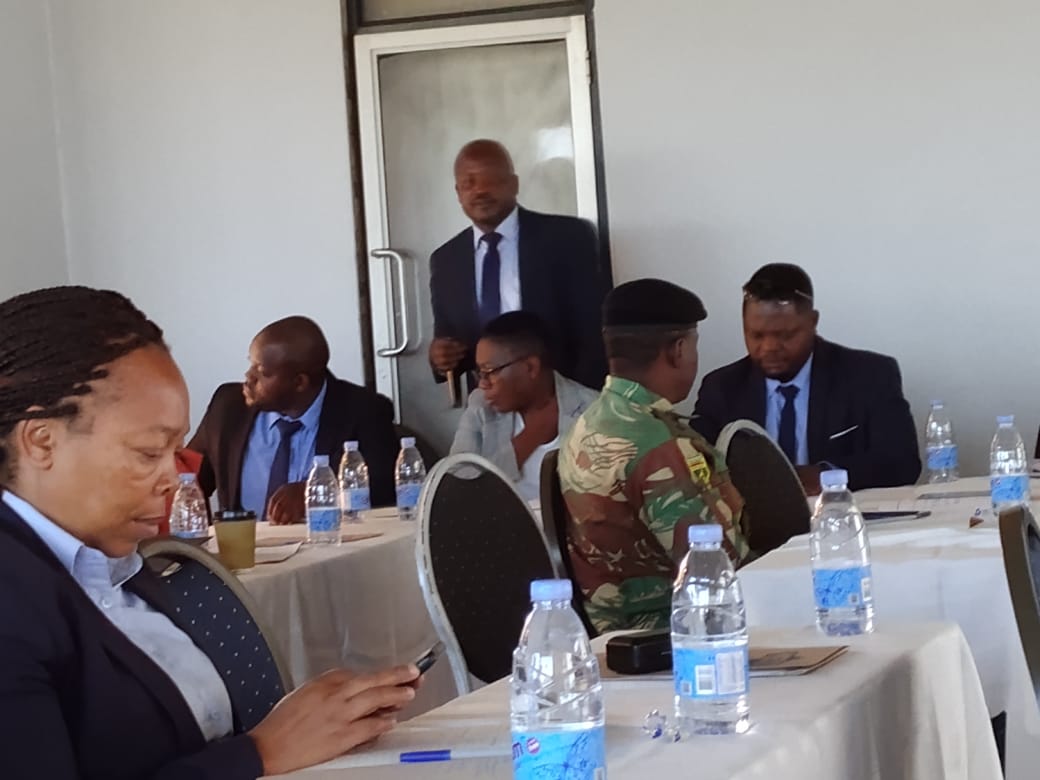
Sikhumbuzo Moyo [email protected]
ZIMBABWE is no longer merely a transit route for illicit drugs and substances but has become a consumer market, delegates attending the Bulawayo Provincial Drug and Substance Taskforce workshop have been told.
Detectives from the Zimbabwe Republic Police’s Criminal Investigations Department Drugs and Narcotics, presenting under the supply reduction pillar, said the country was receiving illicit drugs from several countries in Africa and beyond.
Detective Constable Emelly Mashindi said most criminals arrested in Zimbabwe claimed to have sourced drugs from countries including South Africa, Zambia, Mozambique, the Democratic Republic of Congo, Malawi, Afghanistan, India, Mexico, Lebanon, Guatemala, Peru, Brazil and Pakistan.
“Most of the criminals that have been arrested in the country allege to have sourced the drugs from countries such as South Africa, Zambia, Mozambique, Democratic Republic of Congo, Malawi, Afghanistan, India, Mexico, Lebanon, Guatemala, Peru, Brazil and Pakistan,” said Det Cst Mashindi.
She said the most commonly abused drugs in Zimbabwe included cannabis, crystal methamphetamine, cocaine, skin and sex enhancers and heroin.
Her colleague, Det Cst Innocent Tom, said the supply reduction pillar was integral to Zimbabwe’s comprehensive strategy for addressing drug and substance abuse.
He said enforcing laws, regulating substances, controlling borders and fostering inter-agency collaboration were key to tackling the supply side of the drug crisis.
“Through collaborative efforts, the organisations within the pillar aim to reduce the availability of illicit drugs, protect communities, and promote a healthier society,” said Det Cst Tom.
He said as delegates underwent training as part of the training-of-trainers workshop, it was important for them to understand and reinforce the pivotal role played by the supply reduction pillar in the national strategy against drug abuse.
However, Det Cst Tom said efforts to curb the supply of illicit drugs were being hampered by several challenges, including lenient legislation for some drug-related offences, a shortage of manpower and a shortage of high-powered motor vehicles.
“We also face a shortage of material resources. Inadequate training in drug interdiction hampers personnel capabilities and lack of maximum cooperation from members of the public,” he said.