Moffat Mungazi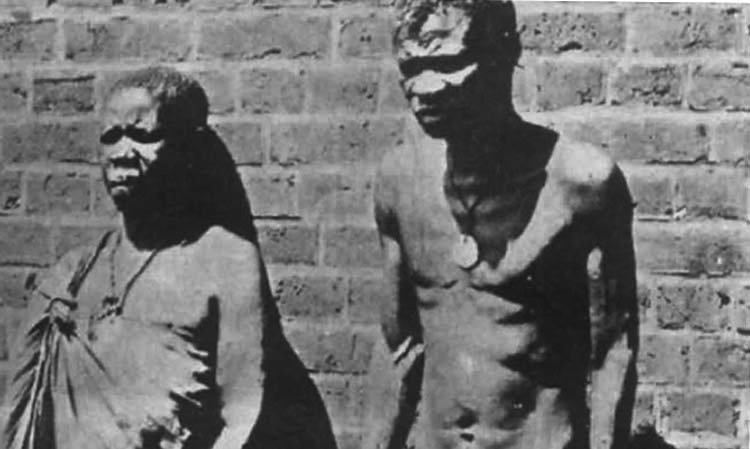
Lovemore Kadzura
Post Reporter
THE African Union (AU) has declared 2025 as the Year of justice for Africans and people of African Descent through reparations – underscoring its dedication to confronting and rectifying the historical injustices perpetrated through the trans-Atlantic slave trade, colonialism, apartheid, and genocide.
The move for reparations has roots in the efforts of the then Organisation of African Unity (OAU) since 1963, with significant milestones, including the First Pan-African Conference on Reparations in 1993, which led to the Abuja Proclamation emphasising on the moral debt owed to African people.
The AU’s participation in the 2001 Durban Conference resulted in the Durban Declaration which underscored the need for justice for victims of racism and discrimination.
Notable initiatives, such as a 2021 conference in Senegal, focused on cultural property restitution and the 2022 Accra Declaration, advocating for multigenerational engagement in reparations, further illustrate the AU’s ongoing efforts.
The African continent is still to recover from the negative effects of colonialism morally, materially and mentally.
Colonialism happened soon after one of the worst ever things to happen to human race, slavery, where hordes of Africans were forcibly shipped to Europe, America and the Caribbean, and subjected to sub-human conditions.
Several African leaders, who attempted to resist colonialism, were killed and their heads were taken overseas as trophies and evidence that they have been conquered.
In Zimbabwe, luminaries such as Mbuya Nehanda, Sekuru Kaguvi, Chiefs Chingaira-Makoni, Mapondera, Mashayamombe and others had their heads taken to London, and efforts are still underway to have them repatriated home.
ZANU PF Central Committee member, Advocate Kelvin Manyengavana said reparation of human remains and artefacts will play a key role in pursuing justice and healing among the affected black people.
He called for unity of purpose among African nations in the push for Western countries to cooperate.
“The objectives of the 2025 theme are multifaceted. First, it aims to strengthen AU institutional frameworks by establishing a Committee of Experts on Reparations and an Africa Reparations Fund, while fostering partnerships with the Caribbean Community (CARICOM) and the African diaspora. Secondly, it seeks to operationalise reparations as a flagship project through strategic dialogues, and the promotion of policy measures for successful implementation.
‘‘Additionally, developing a unified African common position on reparations and mainstreaming these initiatives into development policies is essential.
‘‘The AU also plans to promote engagement at both continental and global levels, organising summits to advocate for reparations and enhance public awareness.
“Furthermore, establishing knowledge and research centres dedicated to training and scholarships on reparations is a critical component of the theme. Building multi-stakeholder partnerships, among civil society, governments, and the diaspora will strengthen collaborative efforts. Finally, the AU aims to secure sustainable funding for reparations initiatives, ensuring a comprehensive approach to acknowledge and address historical injustices. Through this theme, AU aspires to unite Africans and people of African descent in a transformative pursuit of reparatory justice, fostering healing and solidarity in contemporary society,” said Advocate Manyengavana.
Advocate Manyengavana said Zimbabwe, under the leadership of President Mnangagwa is playing a crucial role in advancing the African Union agenda through leveraging its historical context and experiences with colonialism and racial segregation to contribute meaningfully to the reparations dialogue.
He emphasised that the presence of prominent Zimbabwean historical figures’ remains in British museums should galvanise the nation to take a leading role in advocating for continental justice and pushing for the expedited repatriation of African icons, seeking reparations and restitution.
“President Mnangagwa’s leadership can facilitate active participation in continental discussions, advocating for reparatory justice, while promoting solidarity among African nations. Zimbabwe can share its own narrative of its struggle against colonial rule, emphasising the importance of reparations for healing and reconciliation. The protracted liberation struggle has many historical lessons to offer to the subject matter.
“The remains of Mbuya Nehanda, Sekuru Kaguvi and Chief Chingaira-Makoni, among other liberation luminaries, are yet to be repatriated four decades after attaining independence. These remains have great cultural significance, and are key instruments of Zimbabwe’s national heritage and identity. The repatriation of the remains of Mbuya Nehanda, Sekuru Kaguvi, and Chief Chingaira-Makoni, remain a matter of national interest.
“Zimbabwe may support the establishment of the proposed Committee of Experts on Reparations and contribute to the Africa Reparations Fund.
By engaging in collaborative partnerships with other African nations and the diaspora, Zimbabwe can help forge a unified stance on reparations, ensuring that the voices of its citizens and the broader African community are heard,” said Advocate Manyengavana.
Chief Makoni emphasised that the return of Chief Chingaira’s head, taken by British colonisers in 1896, is long overdue.
He said his clan wants to give their revered chief a dignified burial as customary for their leaders.
Chief Makoni stressed that forgetting colonialism is challenging when former colonisers still hold onto African heroes’ remains as trophies.
He expressed confidence that Government’s re-engagement efforts will yield results, leading to the repatriation of First Chimurenga heroes’ remains.
“Chief Chingaira paid the ultimate price for resisting colonialism. His bravery is etched in the hearts of Zimbabweans and the entire black community. As a pioneer in the Chindunduma war, he led fearless battles against colonial forces,” said Chief Makoni.
Chief Makoni recounted the battles, highlighting the significant losses inflicted on the colonisers.
“He had wars with whites, with the first battle claiming 12 lives. The second claimed three lives before reinforcement came. Eventually, they took his life and severed his head as a war trophy to present to Queen Victoria. We commend Government for advocating for the return of our heroes’ remains,” said Chief Makoni.


 Online Reporter