Online Reporter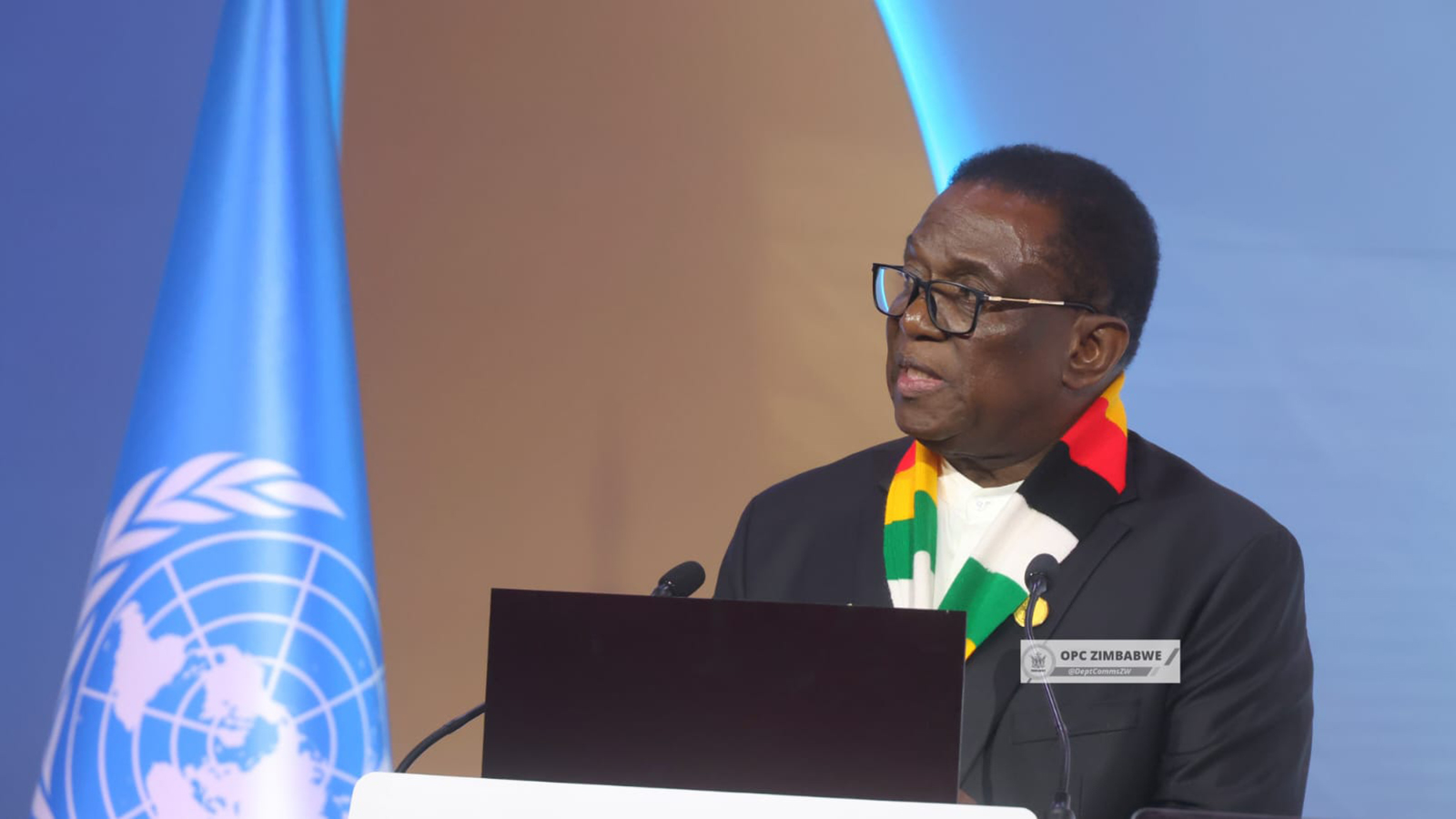
Fungi Kwaramba in DOHA, Qatar
Zimbabwe has made major progress in reducing poverty and improving social services, President Mnangagwa has said
In his address at the World Summit for Social Development, the President said data shows poverty levels have fallen from 62 percent in 1995 to 38,3 percent in 2019, while primary school enrolment has reached 88 percent.
Life expectancy has risen to 64.7 years.
“Zimbabwe has made headway towards reducing poverty and improving access to education, healthcare and social protection,” the President said.
“Poverty levels declined from 62 percent in 1995 to 38,3 percent in 2019. Primary school enrolment has risen to 88 percent, while adult literacy is 93,6 percent and life expectancy is at 64,7 years.
“Flagship programmes such as the Basic Education Assistance Module benefit over 1.5 million learners annually, including children with disabilities. The Health Assistance Fund ensures access to healthcare for vulnerable citizens.
“We continue to invest in climate-smart agriculture, digitalised social registries, and resilient food systems to improve household food security, incomes and resilience.”
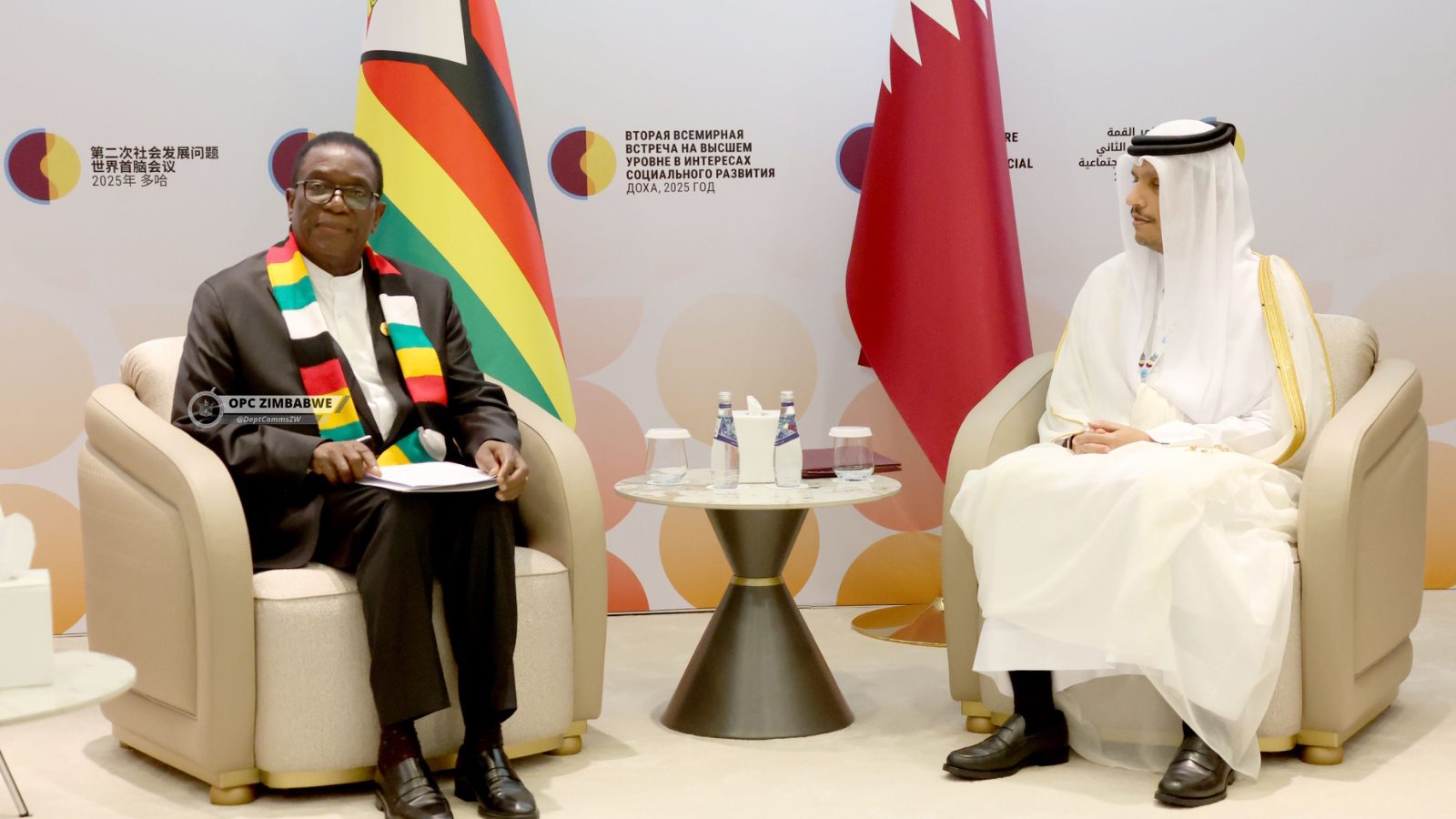
President Mnangagwa attributed these gains to national programmes, including education assistance for 1,5 million learners and climate-smart agriculture policies that have achieved food self-sufficiency.
However, the President said further progress is “constrained by coercive measures and unilateral sanctions”, along with climate shocks and limited access to development finance.
He called for reforms to the global financial system to better support developing nations.
The President also announced Zimbabwe’s bid for a non-permanent seat on the UN Security Council for the 2027-2028 term, calling on the Summit to back Zimbabwe’s candidature.